
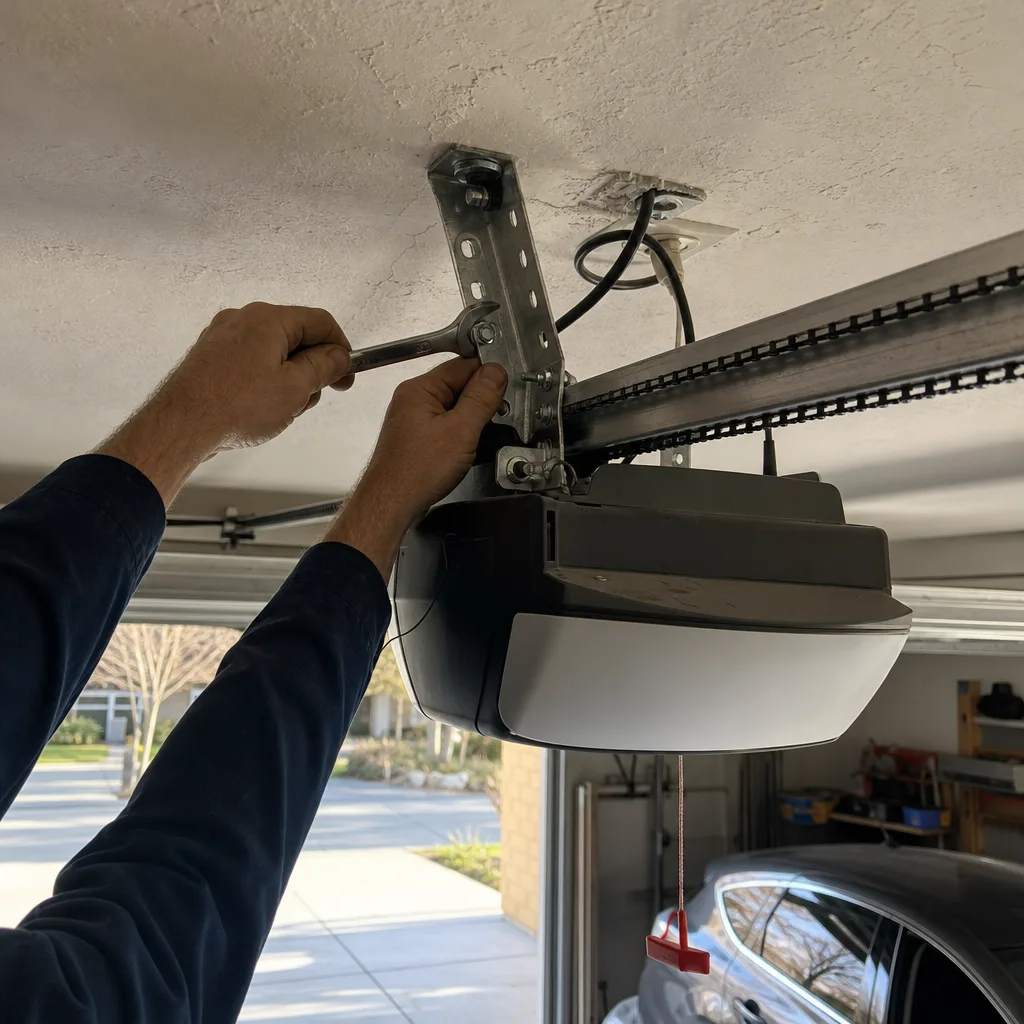
Last updated November 16, 2026
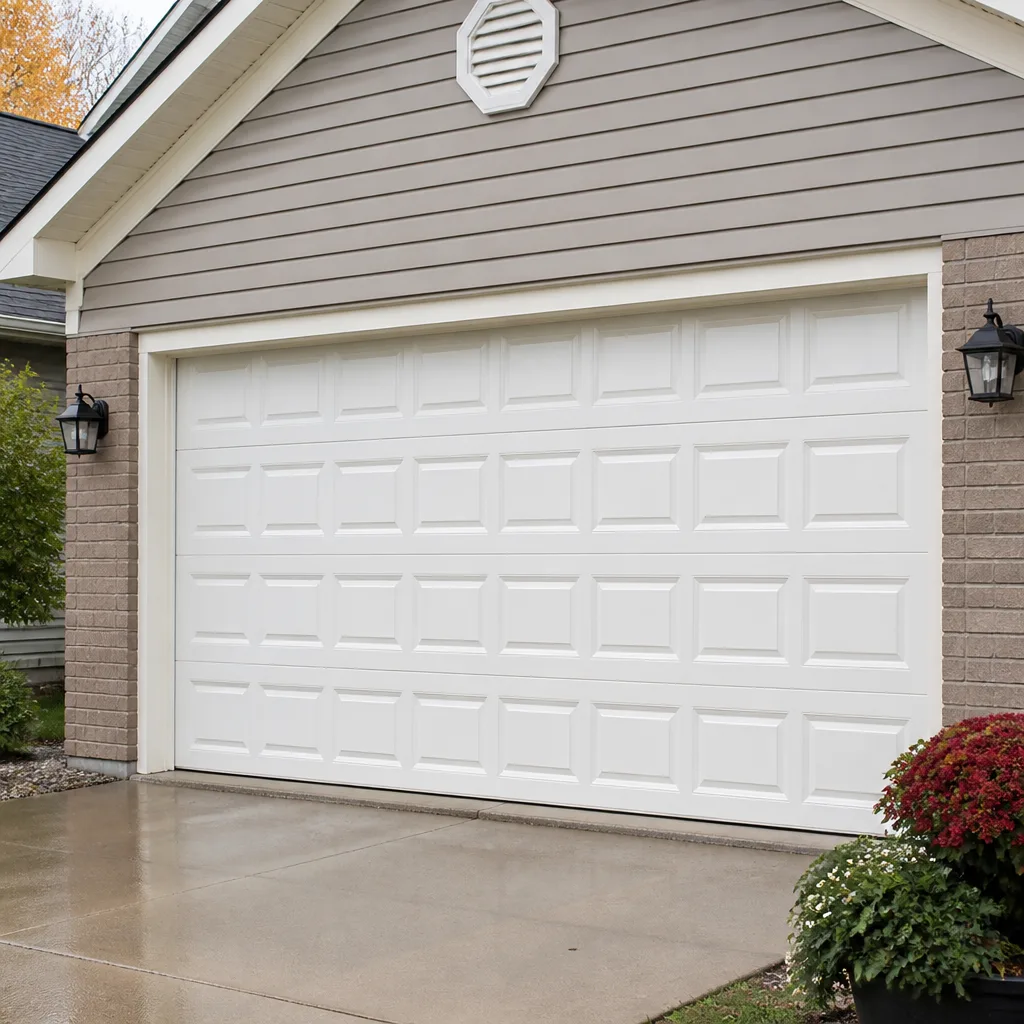 Raised-panel steel
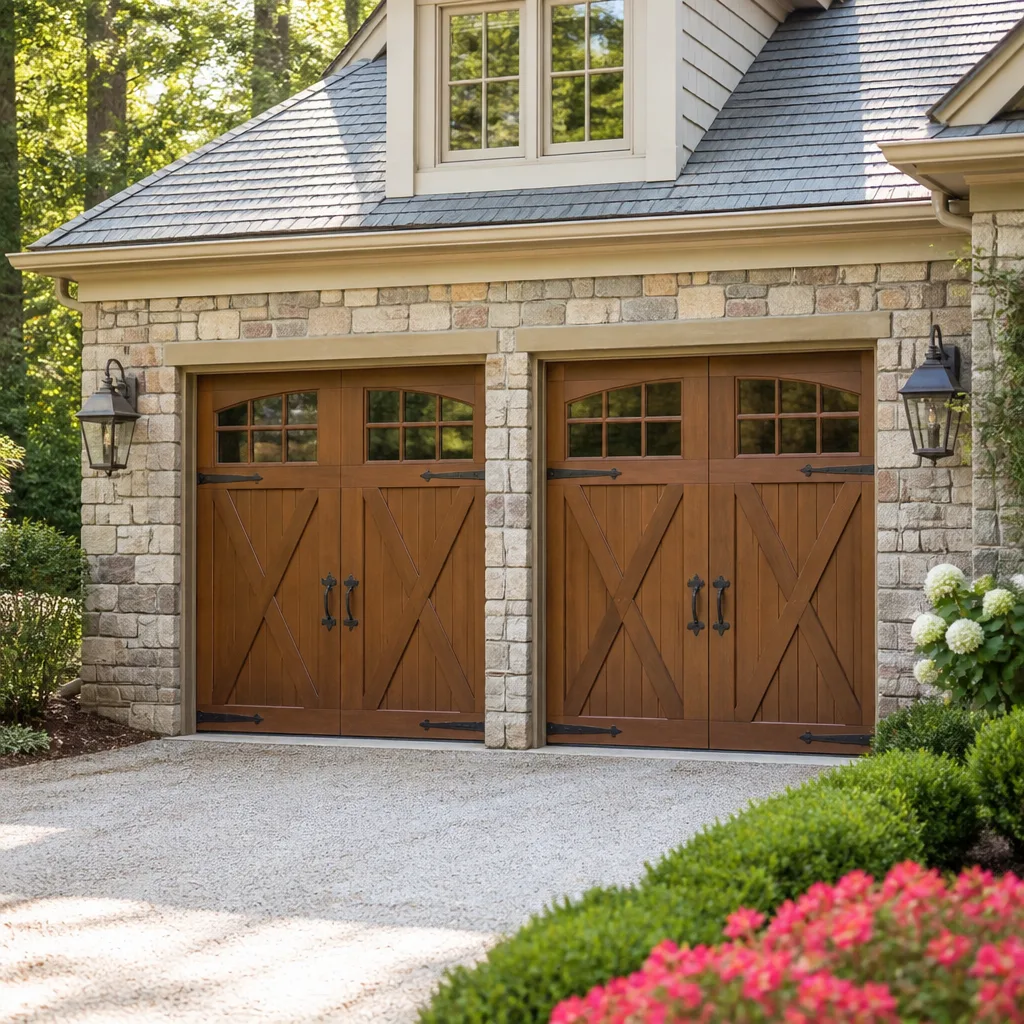 Carriage house
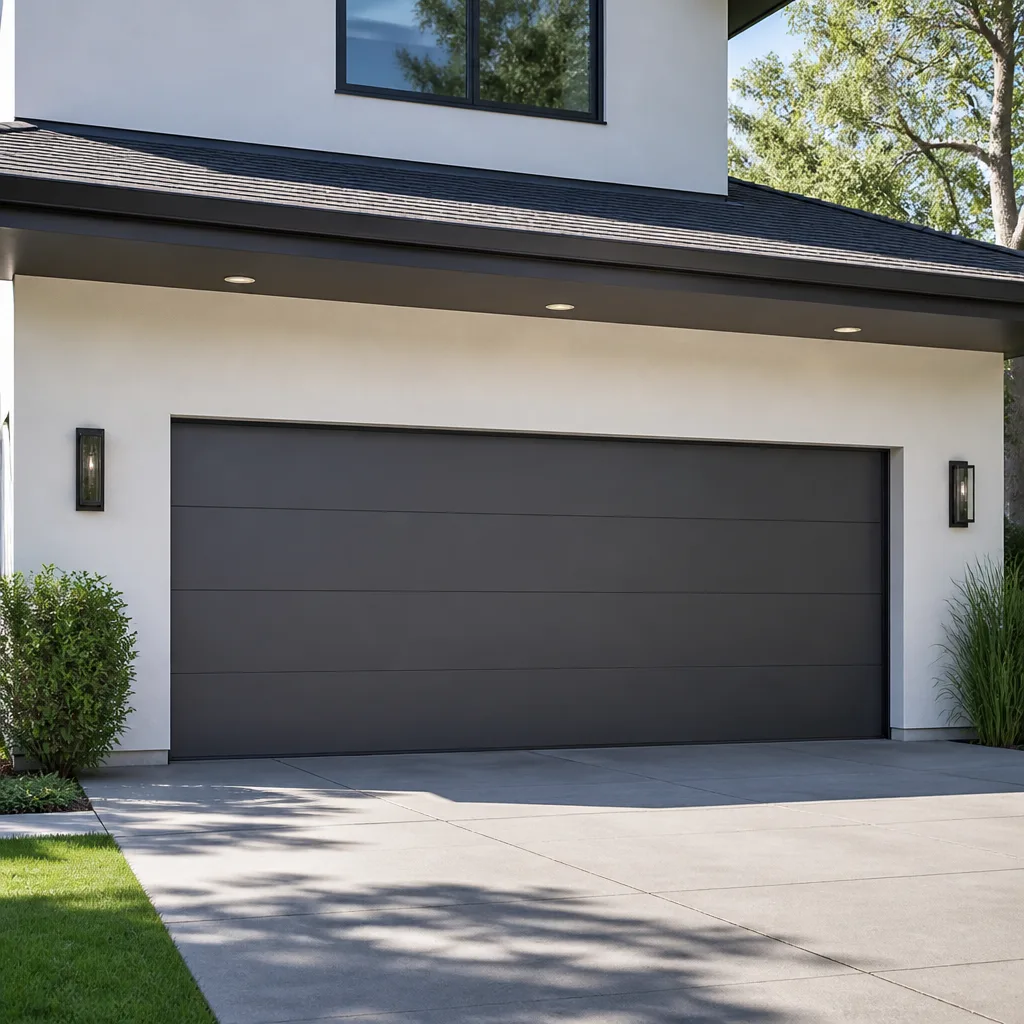 Modern flush
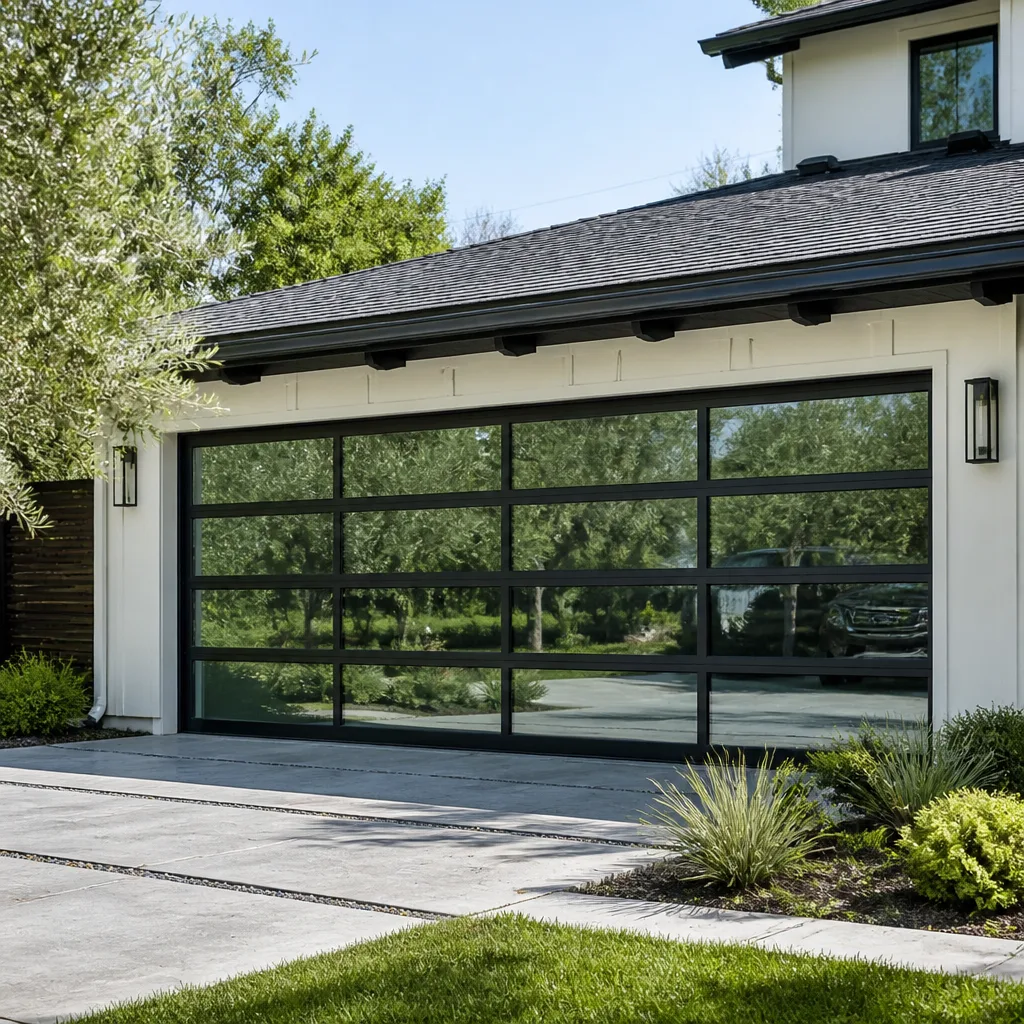 Full-view glass
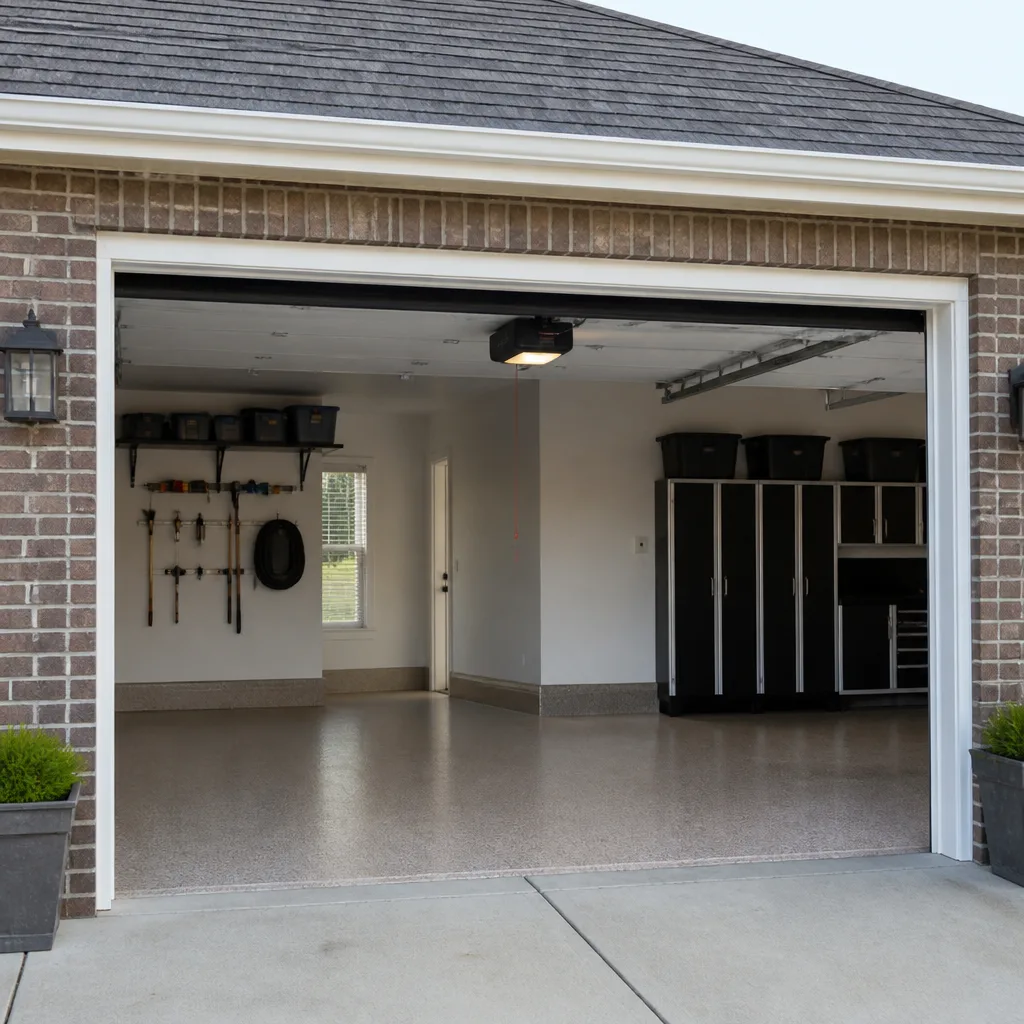 LiftMaster openers
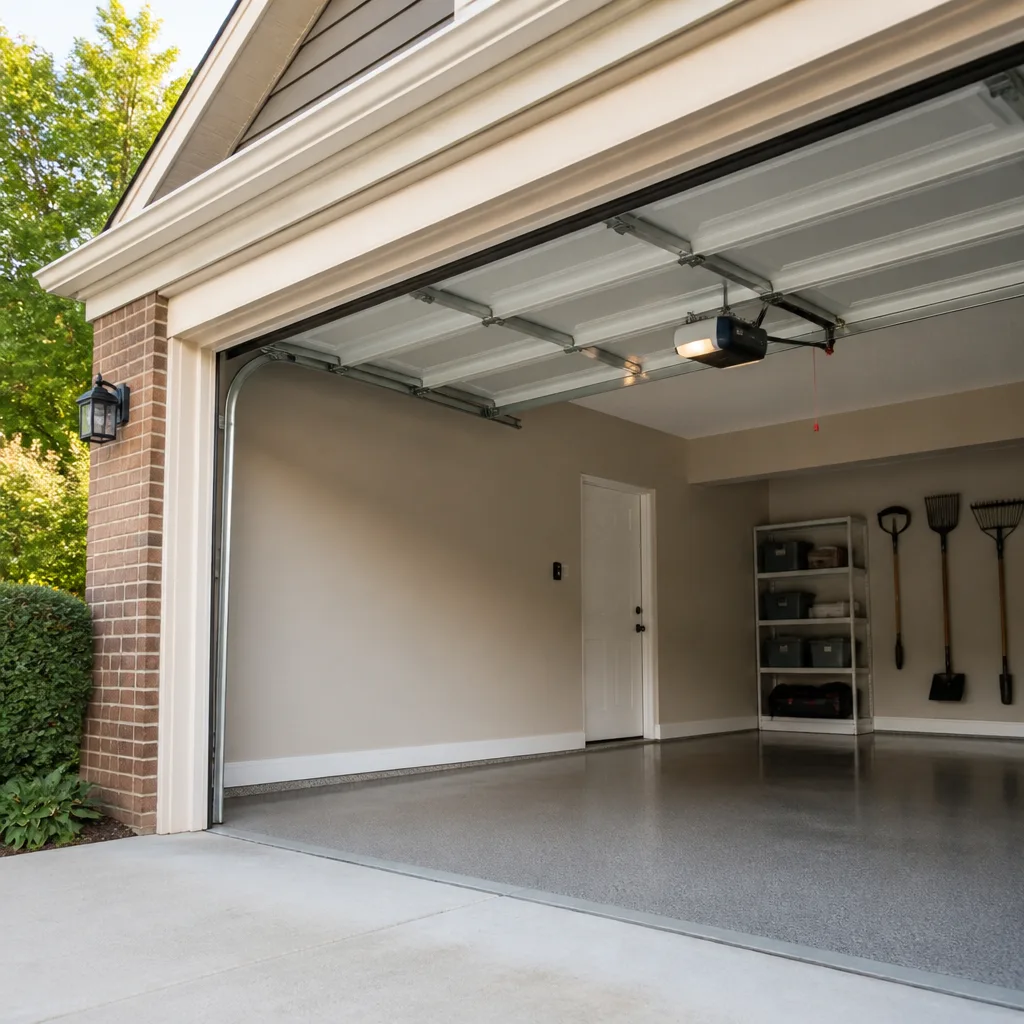 Chamberlain openers
Full 25-point door and opener safety check with every visit - springs, cables, rollers, tracks, and your LiftMaster or Chamberlain opener included
You get a price before we start. It does not change when the pro arrives.
Get your free estimateSeasonal Garage Door Care for Provo: Year-Round Homeowner’s Guide
Winter failures in Provo are almost always spring failures. But the spring didn’t break in January. It cracked in September, during weeks of daily temperature swings that cycled the steel through expansion and contraction dozens of times while nobody looked at the tension. By the time the cold locked in, the fatigue was already there. That’s the part most homeowners miss: a garage door doesn’t fail because of the season it breaks in. It fails because of the season before. This guide maps every maintenance task to the season that actually makes it effective here in Provo, so you’re checking the right thing at the right time instead of running one vague annual inspection that catches nothing. You’ll learn what each season stresses, what to look for, and when a call makes more sense than a ladder.
Quick Answer
Seasonal garage door care in Provo means matching each check to the season that causes the wear: a tension and hardware audit in fall before the cold sets in, freeze-specific checks in winter, post-thaw track and seal inspection in spring, and UV and heat management in summer. A single annual tune-up misses the four separate stress cycles a Utah County door actually goes through. The highest-leverage month is September, when torsion spring fatigue is still catchable and hasn’t yet been amplified by hard freezing.
Styles & brands we work with
- Raised-panel steel
- Carriage house
- Modern flush
- Full-view glass
- LiftMaster openers
- Chamberlain openers
Table of Contents
- Why One Annual Checkup Isn’t Enough in Provo
- Fall (September-November): The Tension Audit Window
- Winter (December-February): Freeze-Specific Failures
- Spring (March-May): Post-Freeze Inspection Priorities
- Summer (June-August): UV, Heat, and Thermal Expansion
- Building a 15-Minute Seasonal Walk-Around
- Common Mistakes to Avoid
- When to Call a Professional
Why One Annual Checkup Isn’t Enough in Provo
Provo sits in a valley where the temperature regularly swings forty degrees between a January morning and a January afternoon. That’s not a mild annoyance for a garage door; it’s a mechanical load test repeated all winter. Every major component on your door – torsion springs, cables, hinges, rollers, the opener’s drive system – expands and contracts at its own rate. Steel springs and steel tracks don’t move in sync, and the difference shows up as wear at the connection points.
Compare that to a climate with one long mild season. There, an annual inspection genuinely works, because the door operates in roughly the same conditions year-round. Provo doesn’t work that way. A door here experiences four genuinely distinct stress modes, and each one attacks a different part of the system:
- Fall: wide daily temperature swings fatigue the torsion spring and loosen fasteners.
- Winter: sub-freezing cold stiffens seals, slows the opener motor, and freezes moisture in tracks and sensor lenses.
- Spring: the freeze-thaw cycle shifts concrete anchor bolts and stresses weatherstripping adhesion.
- Summer: intense high-altitude sun degrades composite and wood panels while heat expands steel and stresses the opener.
The practical result is that a task done in the wrong month is wasted effort. Checking your spring tension in July tells you almost nothing about how it will behave in January. Checking it in September, before the first hard freeze, tells you everything. That’s the whole logic of this guide: season-specific timing, not calendar-page compliance.
We see this pattern constantly across Provo – doors that passed a summer visual inspection and then failed in the first cold snap. The fix isn’t more inspections. It’s the right inspection at the right time.
Fall (September-November): The Tension Audit Window
If you do one seasonal task this year, make it this one. September through November is the highest-leverage maintenance window on the Provo calendar, because it’s the last chance to catch spring fatigue before winter amplifies it. A torsion spring that’s already lost some tension in September will be under significantly more cyclical stress once temperatures drop and the metal gets brittle.
Safety note first: never adjust, wind, or unwind a torsion spring, and never touch the cables under tension. Those components store enough energy to cause severe injury in an instant. What you can do safely is observe and report. A trained technician does the actual adjustment. The tension audit is about knowing when to call, not doing the job yourself.
What to check in fall
- Balance test. Disconnect the opener (pull the release cord) and lift the door halfway by hand. It should hold in place with minimal effort. If it drifts down or slams up, spring tension is off and needs a professional look.
- Sound check. Open and close the door and listen. Grinding, squealing, or a rhythmic popping sound usually points to worn rollers or a spring that’s starting to go.
- Fastener snugness. Look at the brackets and hinges on the door panels. Temperature swings loosen bolts; a visible gap or wobble is a fail.
- Weatherstripping condition. Run a hand along the bottom seal. Cracks and hardened rubber now will be worse after the first freeze.
- Cable inspection (visual only). Look for fraying or kinks near the drums. Don’t touch; flag it for a technician.
Every fall check above has a pass/fail line, which is exactly what you want when you’re deciding whether to book a visit. For a deeper look at what a proper inspection covers, see our guide to garage door repair. If you notice the balance test failing in September, that’s the moment to schedule – not the moment to wait for a January breakdown.
Winter (December-February): Freeze-Specific Failures
Winter in Provo breaks doors in three specific ways, and each one has a targeted check you can do without tools. Understanding these three failure modes is what separates a winter that goes smoothly from one that ends with a stalled door and a car stuck inside.
1. Bottom seal compression
Below about 20 degrees, the rubber bottom seal hardens and loses its ability to compress. The door still closes, but it doesn’t seal. You’ll feel cold air rushing in along the bottom, and in a heated garage, that’s heat you’re paying for. Run a hand along the seal on a cold morning. If it’s stiff as a board or leaves a visible gap when the door is down, the seal needs replacement. This is one of the most cost-effective winter fixes on a garage door, and it’s a job we handle under our installation and repair services.
2. Opener motor slowdown
Cold thickens the lubricant inside an opener’s drive system, and the motor has to work harder to move the door. If your opener sounds sluggish or strains on the first open of a cold morning, that’s normal to a point. What isn’t normal is a door that reverses partway up, or a motor that sounds labored every time, not just on cold mornings. That points to a developing opener problem that winter is exposing rather than causing. Opener repair is a separate system from the door itself, and it’s a dedicated specialty of ours – garage door opener repair covers the diagnostics and the fix.
3. Ice-jam protocol for safety sensors
The two photo-eye sensors at the base of the door trip the reversal system if anything crosses the beam. In winter, moisture can freeze across a lens, fog it, or build up a sliver of ice that blocks the beam. The symptom is a door that closes partway and then reverses. Here’s the protocol:
- Clear snow and ice away from both sensor lenses by hand – no tools, no scraping the lens itself.
- Wipe the lens with a dry cloth to remove moisture and fog.
- Check that each sensor’s indicator light is on and steady.
- If the light flickers or stays off after cleaning, the sensor or its wiring needs a technician.
Don’t disable the sensors to force the door closed. They exist for a reason, and a door that closes on a person or pet is a serious hazard. If you can’t get the beam clear, call. We answer 24/7. Fast dispatch from 7am to 7pm, Sunday through Friday.
Spring (March-May): Post-Freeze Inspection Priorities
The thaw is where the damage from winter shows up. When the ground freezes and thaws repeatedly, concrete-mounted hardware shifts, tracks move out of alignment, and weatherstripping that survived the cold starts peeling at the edges. Spring is the inspection that catches what winter left behind.
Post-freeze checklist
- Track alignment. Stand inside the garage and sight along each vertical track. They should be plumb and the two sides parallel. A track that’s bowed or out of vertical usually traces back to frost heave or a shifted anchor.
- Anchor bolts on concrete-mounted hardware. The brackets that hold the tracks and spring system are bolted into the garage floor and wall. Freeze-thaw cycles can loosen them. Look for rust streaks, cracks radiating from a bolt, or a bracket that’s pulled slightly away from the concrete.
- Weatherstripping adhesion. Check the seal around the door frame and the bottom seal. Adhesive that gave up over winter will peel back now. Run a fingernail along the edge; if it lifts easily, it’s failing.
- Hinge and roller condition. Cold makes metal brittle. A hinge that cracked over winter will show as a squeak or a visible split.
- Panel alignment. Check from outside that the door panels still line up horizontally. A door that’s racked slightly out of square in spring will bind and wear faster all summer.
One note on brands: doors from Clopay, Amarr, and Wayne Dalton – three of the major door manufacturers we’re certified to service – use different panel and hardware configurations, and the track alignment check looks slightly different on each. If you’re unsure what you’re looking at, a free estimate visit is the fastest way to get a clear answer. For doors that need more than alignment, our repair service covers the full range of spring, cable, panel, and hardware fixes.
Summer (June-August): UV, Heat, and Thermal Expansion
Provo summers bring intense high-altitude sun and stretches of real heat. That combination works on three separate parts of the door at once, and most homeowners don’t connect summer wear to a winter failure six months later.
UV degradation on composite and wood panels
Sun exposure breaks down the surface of wood and composite door panels over time. What you’ll notice most is fading, chalking (a powdery residue), or fine surface cracks. On a wood door, UV damage lets moisture in, which causes swelling and warping later. On composite doors, chalking is the first sign the finish is breaking down. A coat of exterior-grade finish applied in summer buys years of service life. Check the condition of the finish every summer and reapply when it looks dull or starts to chalk.
Thermal expansion in steel doors
Steel doors in summer heat expand slightly. Usually that’s harmless, but if the door was already tight in its tracks in spring, the added expansion can make it bind. You’ll hear a scrape or a groan as the door travels, and the opener will strain. Summer binding is often a track that needs a small adjustment, not a new door. Catching it in summer prevents it from becoming a stuck door in winter when the clearance is tighter still.
Opener heat management
An opener motor generates heat as it runs, and a hot garage gives it less room to shed that heat. In summer, the symptom is an opener that runs for a while and then stops responding, then works again after a break. That’s usually thermal overload in the motor or control board, not a dead unit. It’s worth having diagnosed before it turns into a complete failure. Our opener diagnostics cover heat-related faults across the major drive brands, including LiftMaster and Genie. Don’t open the opener’s housing to look yourself – the electrical components inside are hazardous and should only be inspected by a trained technician.
Building a 15-Minute Seasonal Walk-Around
Here’s the practical system: a 15-minute walk-around, four times a year, with a calendar reminder that names the season. Set four reminders – the second week of September, the first week of December, the first week of March, and the first week of June. Each reminder says which checks to run and what result means fail. Print this list and keep it on the garage wall.
The full seasonal walk-around, with pass/fail criteria
- Balance check (all seasons). Disconnect the opener, lift the door to halfway, and let go. Pass: it holds. Fail: it drifts down or slams up. Book a technician.
- Spring visual (fall and spring). Look at the torsion spring above the door. Pass: no visible rust streaks, no gap in the coils, no sagging. Fail: any of those visible. Do not touch it – call us.
- Bottom seal (winter and spring). Press a hand along the seal with the door closed. Pass: the rubber is pliable and touches the floor consistently. Fail: stiff, cracked, or gapping. Replace.
- Track alignment (spring and summer). Sight along the vertical tracks. Pass: plumb and parallel. Fail: bowed, tilted, or visibly shifted.
- Sensor lenses (winter and summer). Wipe with a dry cloth, check indicator lights. Pass: both lights steady on. Fail: flickering or off after cleaning.
- Hinge and fastener check (fall and spring). Pass: brackets snug, hinges intact, no visible rust streaks. Fail: visible gap, wobble, or a cracked hinge.
- Panel finish (summer). Pass: finish intact, no chalking. Fail: dull, powdery, or cracked. Touch up or refinish.
- Opener sound and speed (all seasons). Pass: smooth, consistent speed. Fail: sluggish on cold mornings, reversing, or stopping mid-travel. Book a diagnostic.
Each walk-around ends with a simple decision: everything passed, or one item failed. If one item fails, you book that item. If two or more fail, you book a full service visit. The discipline of writing down the results is what makes the calendar reminder useful – without a record, you’ll forget whether the spring looked like that last fall or not.
Common Mistakes to Avoid
- Treating “annual” as one date on the calendar. A single checkup in July doesn’t catch fall spring fatigue or winter seal compression. The whole point of this guide is that timing matters as much as the checklist.
- Lubricating a torsion spring. Some homeowners spray lubricant on the spring coils. That’s not a fix and it can attract dust that accelerates wear. Springs aren’t lubricated; they’re inspected. Leave that inspection to a technician.
- Disabling a safety sensor to force a door closed. When a sensor lens freezes over, the temptation is to bypass it. Don’t. A door that closes without the reversal system is a genuine hazard.
- Ignoring a slow opener in cold weather. A door that’s sluggish on a cold January morning is a mild warning. A door that reverses partway is a real problem. The gap between the two is short in Provo winter, so don’t wait.
- Letting summer UV damage ride. Wood and composite panels degrade quietly in the sun. Reapplying exterior finish every summer is far less expensive than replacing panels in a few years.
- Assuming a new house won’t need seasonal care. New construction in Provo neighborhoods means newly installed springs and hardware. New springs are still under load, and they still fatigue. Seasonal checks start on year one.
- Calling a general handyman for an opener problem. Opener repair involves both mechanical and electrical diagnostics. A generalist may not have the training for the drive system. It’s a specific trade – and it’s a specialty here.
See the difference
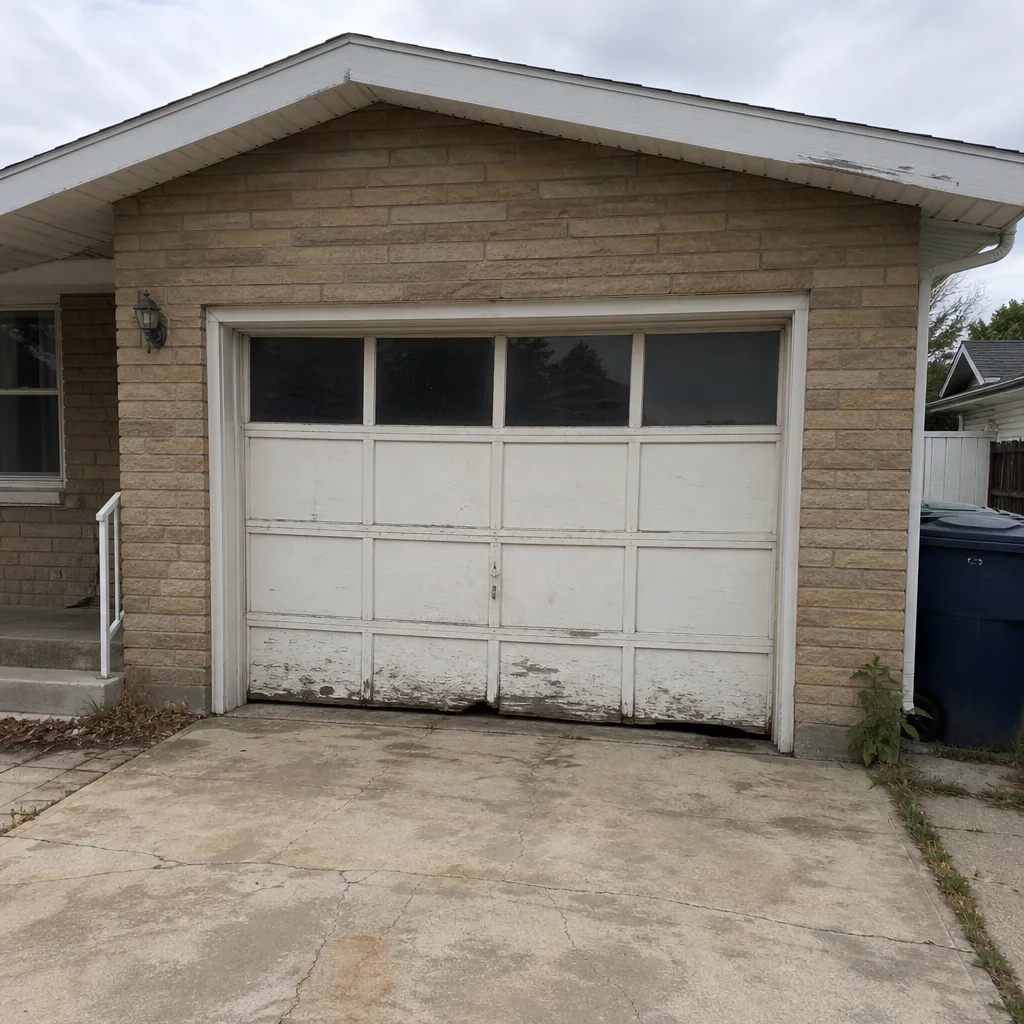 Before
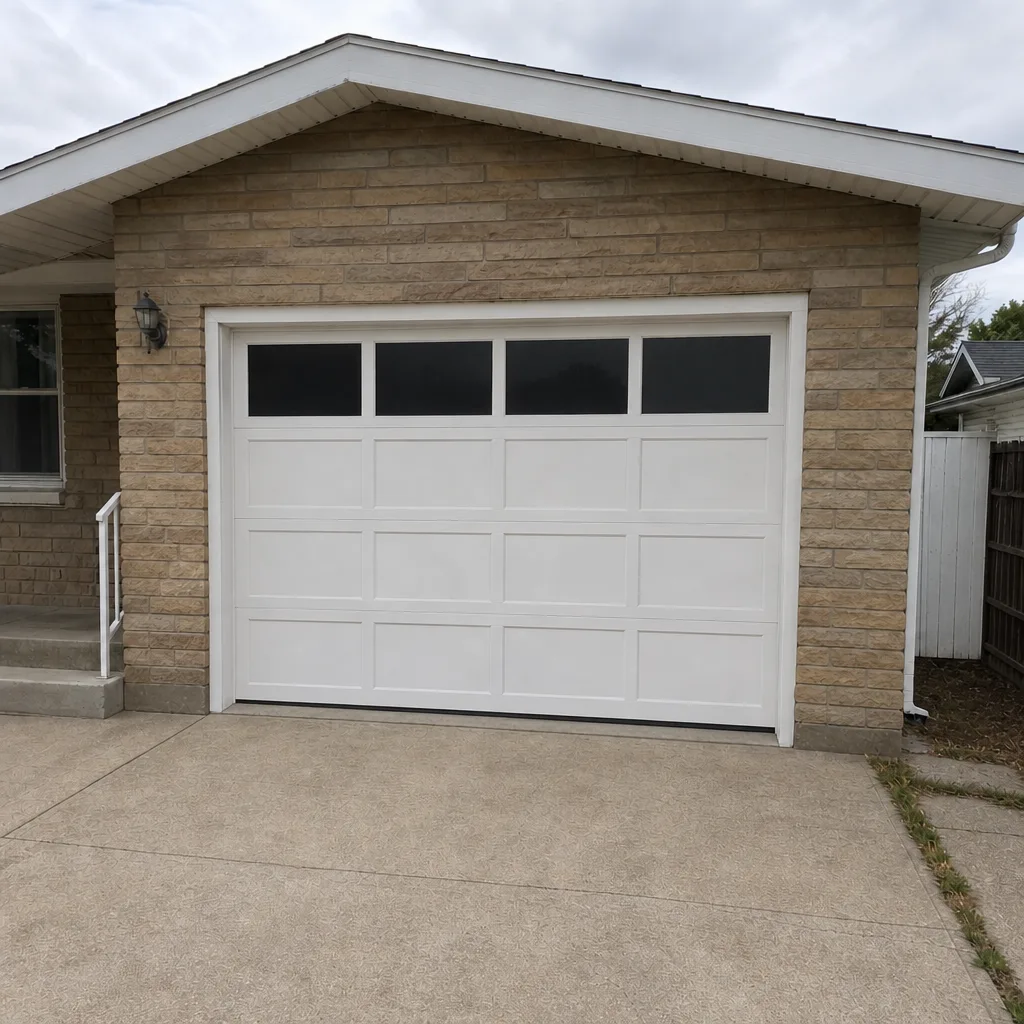 After
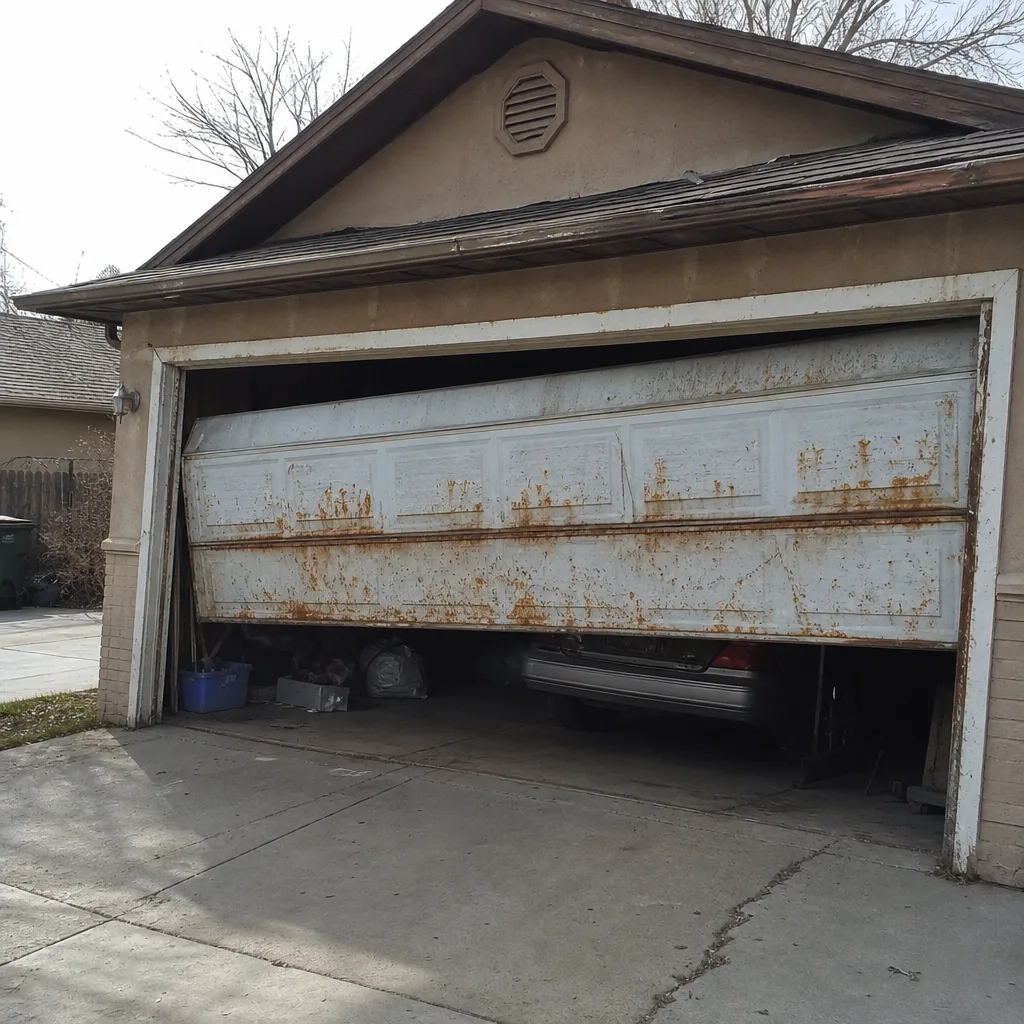 Before
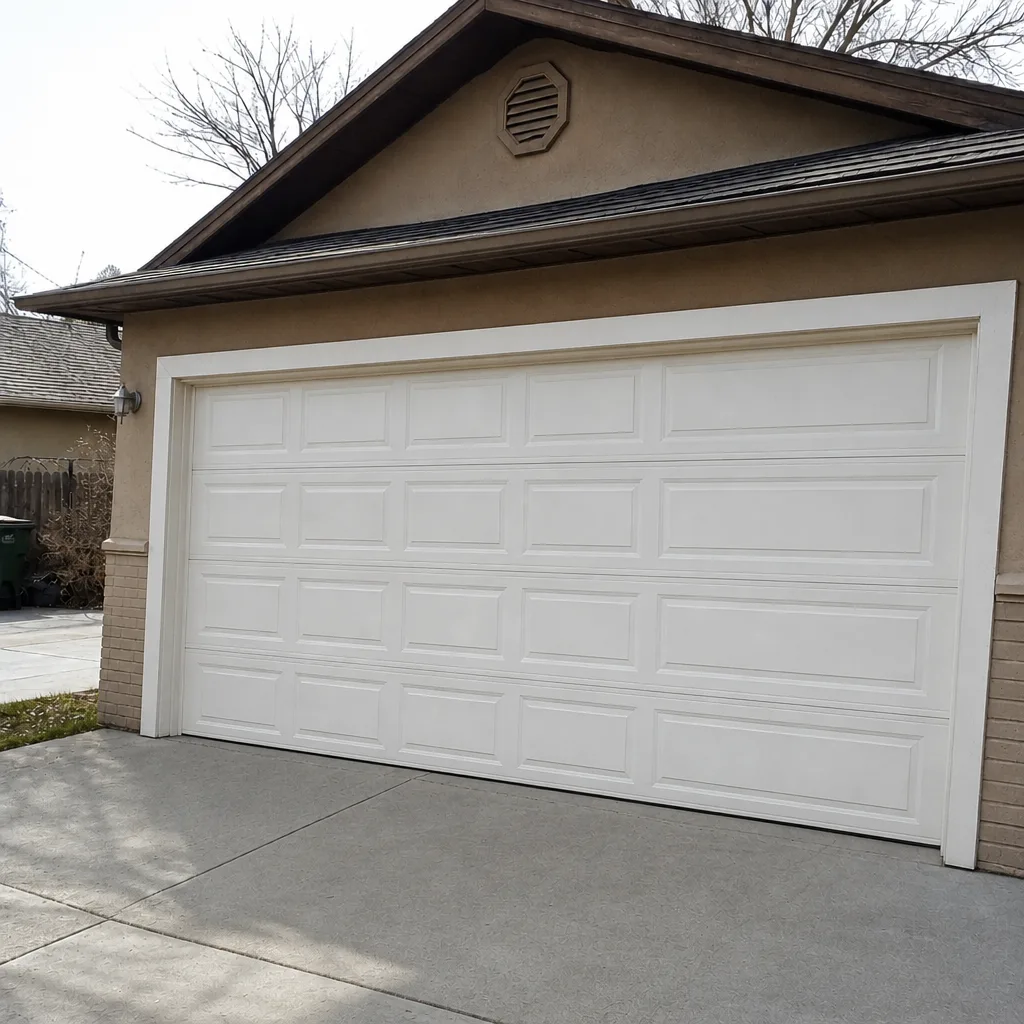 After
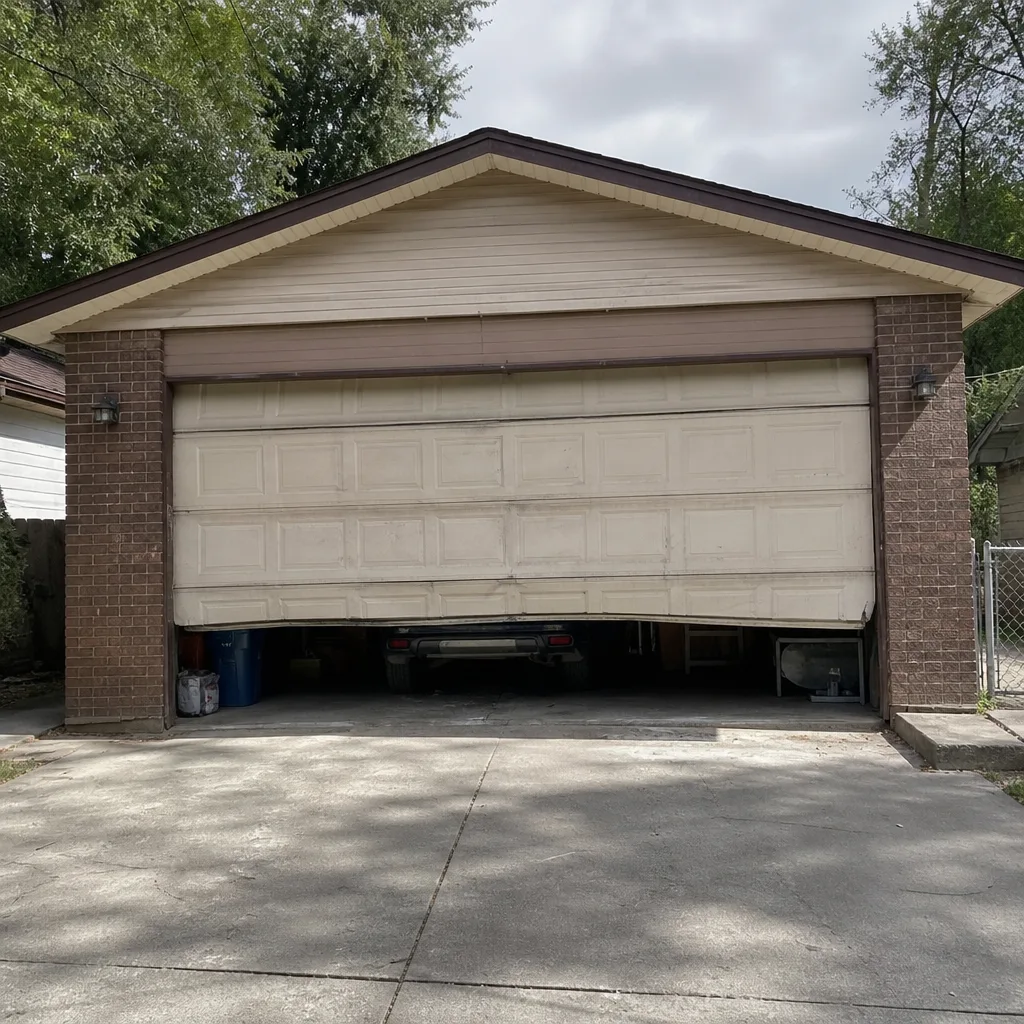 Before
 After
When to Call a Professional
Call us when a seasonal check fails a pass/fail criterion and stays failed, when a door reverses on its own, when a torsion spring is cracked or rust-streaked, or when an opener strains or stops repeatedly. Those are the cases where an in-person inspection beats anything you can see from the ground.
It’s also worth calling when you’re unsure. A free estimate is just that – it’s free, and the price is quoted and agreed before any work starts. Provo Garage Door Service offers free estimates in Provo – call (877) 526-0732. We’re certified across eight major brands – LiftMaster, Chamberlain, Genie, Clopay, Amarr, Wayne Dalton, Craftsman, and Raynor – so brand compatibility isn’t a question. Whether it’s the door, the hardware, or the opener, one call covers it. If you want to know which service line fits your situation, Provo Garage Door Service lays out all three.
We answer 24/7. Fast dispatch from 7am to 7pm, Sunday through Friday. A call outside dispatch hours is booked into the next opening, Sunday through Friday, 7am to 7pm.
Frequently Asked Questions
Fall, specifically September through November, is the highest-leverage window. It’s the last chance to catch torsion spring fatigue before the cold sets in and amplifies the stress. The fall balance test and spring visual catch most failures before they become winter breakdowns. Call (877) 526-0732 for a free estimate if the balance test fails – estimates are free.
A failing spring shows up in a few consistent ways: the door won’t stay up when you lift it halfway, the opener strains to lift it, or you hear a popping sound during operation. A visible gap in the spring coils or rust streaks is a clear fail. Don’t touch the spring yourself – call a technician for an inspection. Call (877) 526-0732 for a free estimate.
No, though the check priority shifts slightly. A heated garage reduces bottom seal compression but doesn’t eliminate temperature swings that affect the spring and opener. The winter checks still apply – the sensor lens icing and opener strain are both real in any Provo garage. Call (877) 526-0732 for a free estimate if any winter check fails.
The price is quoted and agreed before any work starts, so there are no surprises on the invoice. A seasonal walk-around may turn up something a visual check missed, but that gets priced before we do anything. Call (877) 526-0732 for a free estimate – estimates are free.
Our technicians are trained and experienced, with up to 14 years of experience, and we work across the eight major brands. Two quick notes: opener repair involves electrical components and springs store serious energy, so both should always be handled by a trained technician, not a DIY attempt. Call (877) 526-0732 for a free estimate with our team.
Usually an ice-jammed safety sensor. Moisture on the photo-eye lenses freezes and blocks the beam, which trips the reversal system. Clear and dry the lenses by hand and check that both indicator lights are steady. If the door still reverses, call for a diagnostic – the sensor or wiring may need repair. Call (877) 526-0732 for a free estimate.
The Bottom Line
Garage door care in Provo is a four-season job, not an annual event. Fall is the tension audit window – catch spring fatigue before the cold. Winter is about freeze-specific failures: hardening seals, sluggish openers, and icy sensor lenses. Spring inspects what winter left behind: track alignment, anchor bolts, and peeling weatherstripping. Summer manages UV, heat, and thermal expansion. A 15-minute walk-around, four times a year, with written pass/fail results, keeps a door out of the failure column. When a check fails, call a specialist for that system. Call (877) 526-0732 for a free estimate, and we’ll tell you whether repair or replacement actually makes sense.
Written by the team at Provo Garage Door Service.