
Last updated November 16, 2026
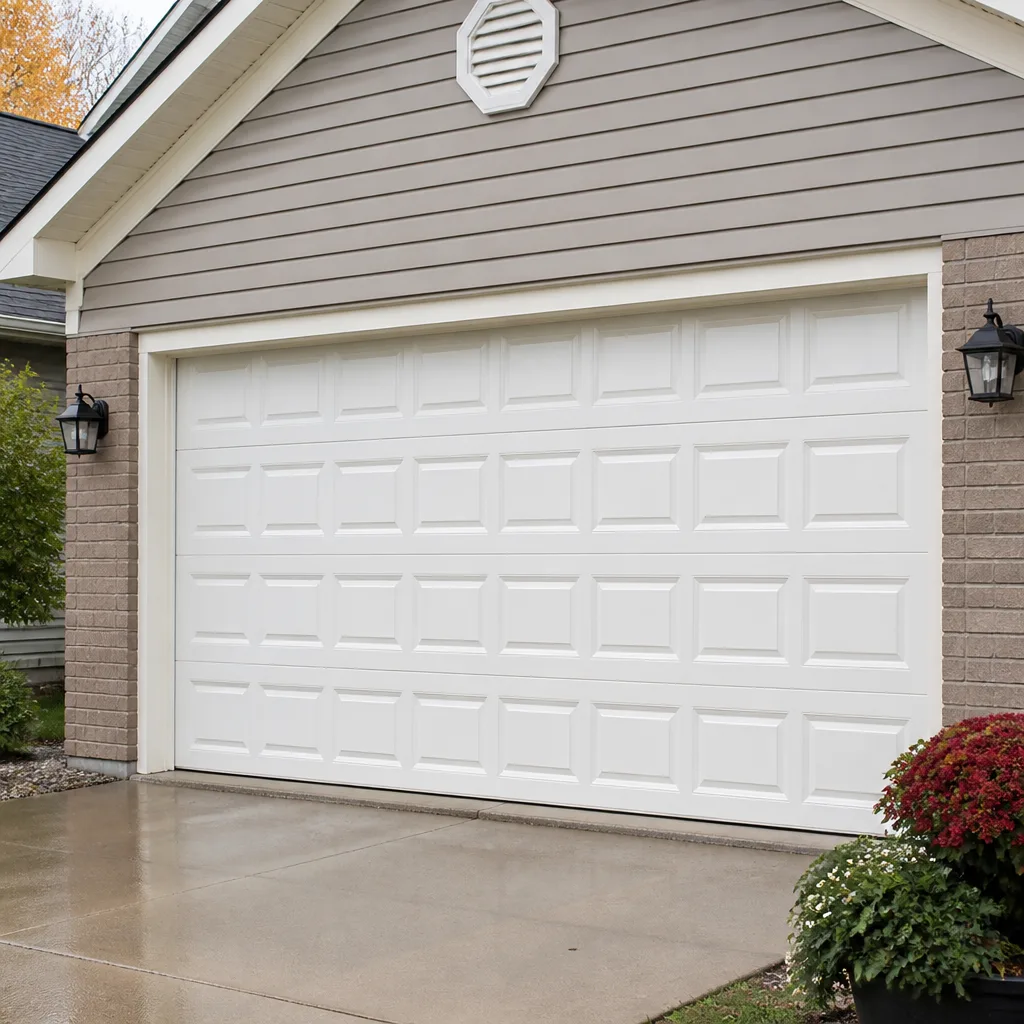 Raised-panel steel
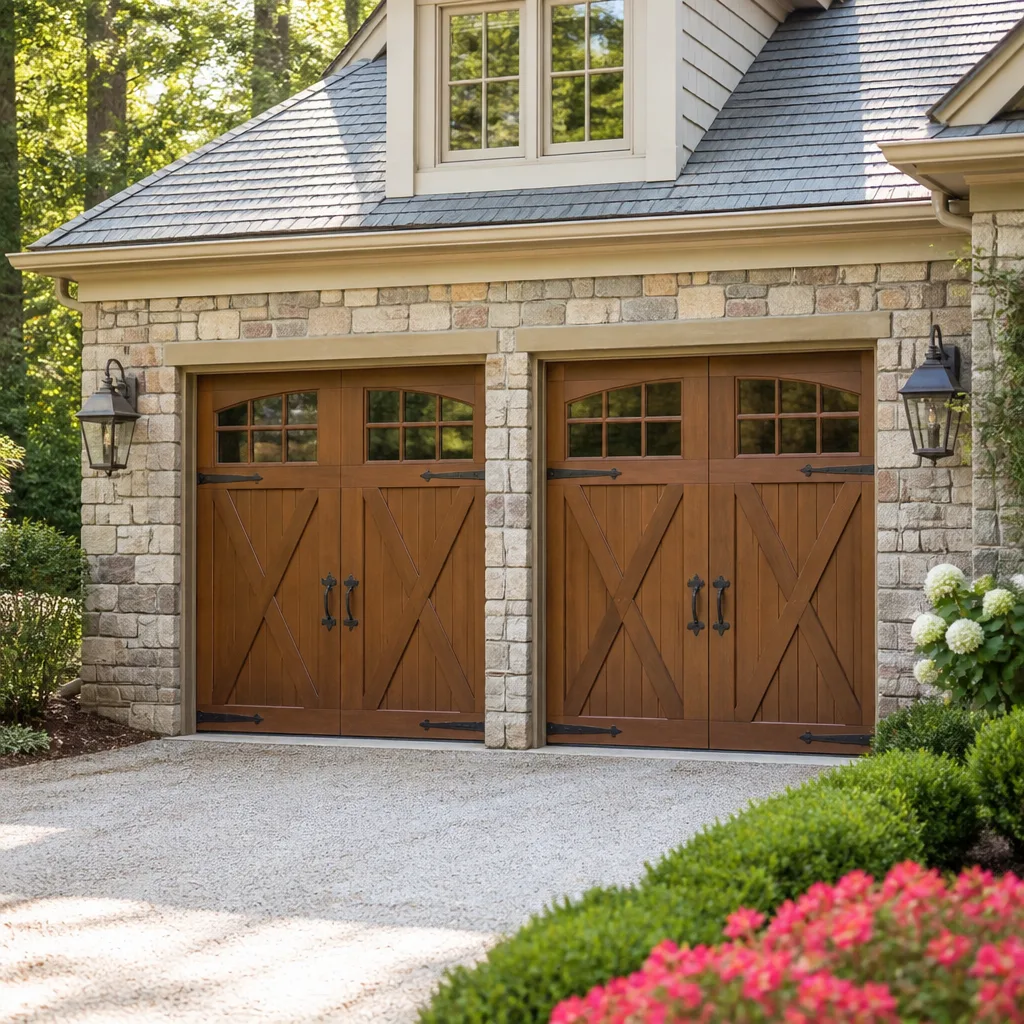 Carriage house
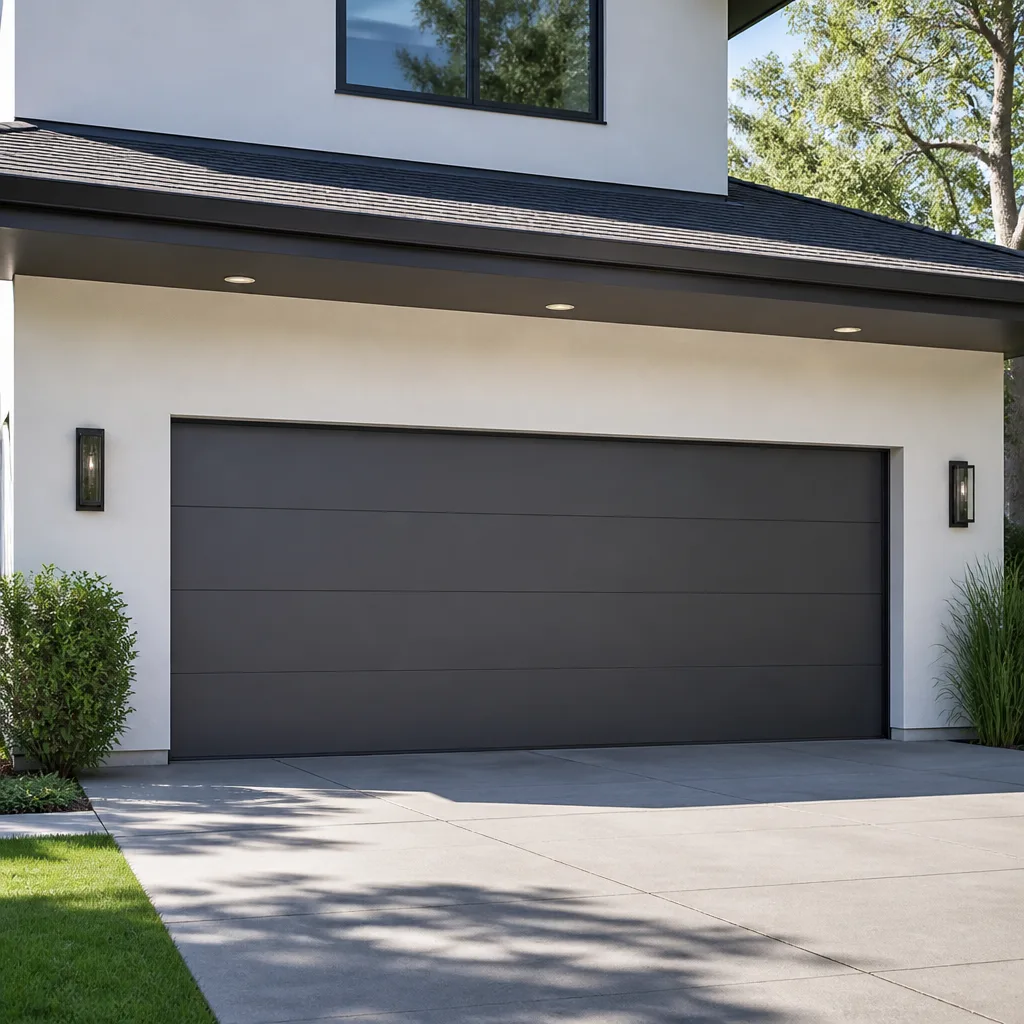 Modern flush
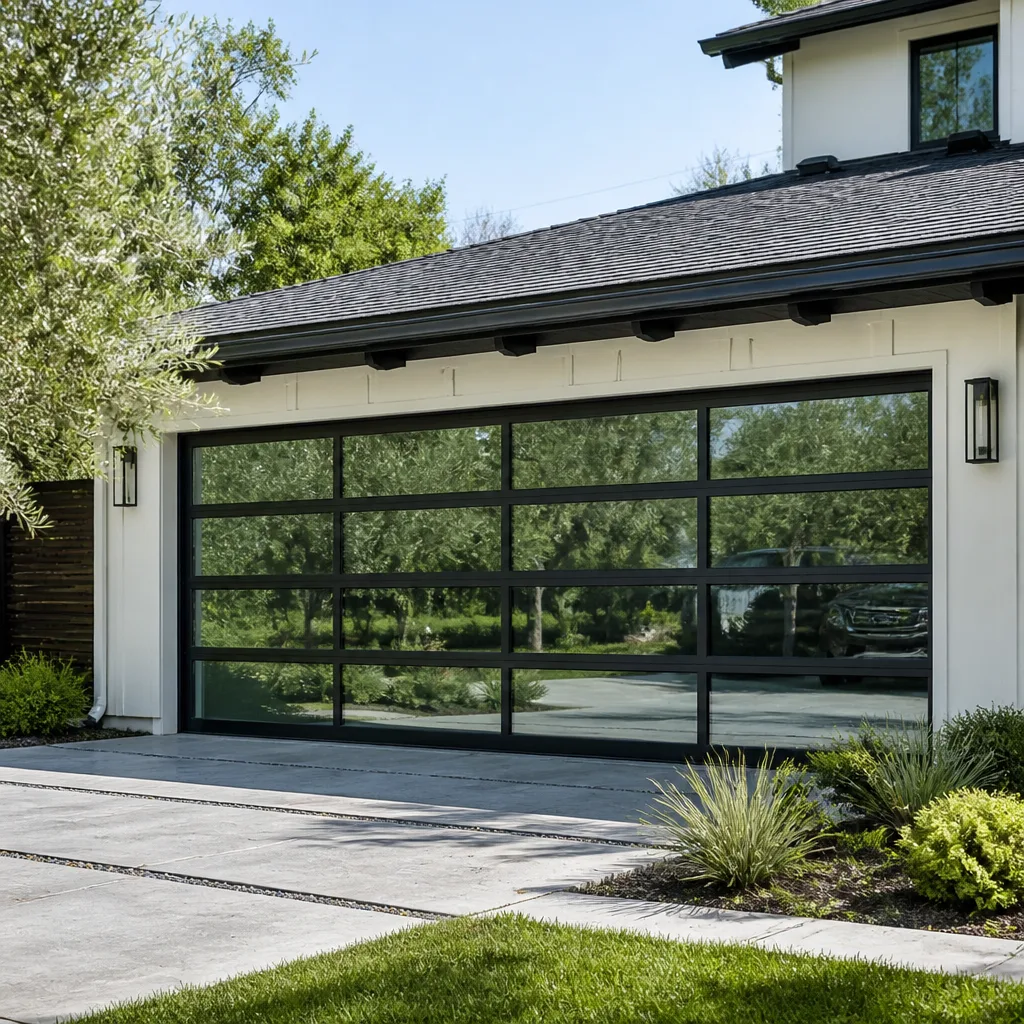 Full-view glass
 LiftMaster openers
 Chamberlain openers
Full 25-point door and opener safety check with every visit - springs, cables, rollers, tracks, and your LiftMaster or Chamberlain opener included
You get a price before we start. It does not change when the pro arrives.
Get your free estimateDIY vs Professional Garage Door: The Provo Homeowner’s Decision Guide
Most garage door advice splits the world in two: call a pro for everything, or roll up your sleeves and handle it yourself. Neither is right. The real question isn’t your skill level. It’s which specific tasks carry risk that grows far beyond the job itself. A torsion spring holds enough stored energy to break a wrist or crush a hand in a fraction of a second, yet lubricating rollers, replacing a bottom seal, and reprogramming most openers are genuinely DIY-appropriate jobs. The line between them is sharp, and almost nobody explains where it sits. In this guide we walk through the decision task by task, so you know exactly what’s safe to handle in a Provo garage and what should go to a technician.
Quick Answer
Safe DIY garage door work is limited to low-energy tasks: weatherstripping, lubricating moving metal parts, aligning or cleaning safety sensors, reprogramming remotes, and eyeballing panels for dents. Torsion springs, cables, and any track realignment beyond a minor nudge are professional-only because a mistake can cause serious injury or drop a door weighing hundreds of pounds. Everything else falls in between, and the choice usually comes down to tools, time, and whether the job touches the door’s stored energy.
Styles & brands we work with
- Raised-panel steel
- Carriage house
- Modern flush
- Full-view glass
- LiftMaster openers
- Chamberlain openers
Table of Contents
- The DIY vs Professional Decision Matrix
- DIY-Safe Tasks and the Tools They Actually Need
- Why Springs and Cables Are Professional-Only
- Injury, Insurance, and Warranty: The Liability Angle
- The Real Cost Math of Doing It Yourself
- The Hybrid Approach: Inspect First, Then Call
- What’s Different About a Provo Garage Door
- When to Stop and Call a Professional
The DIY vs Professional Decision Matrix
The easiest way to decide is to sort the job by what it touches. A garage door is really two systems in one frame: the door and its hardware (springs, cables, tracks, rollers, panels, seals) and the opener that drives it (motor, gears, belt or chain, sensors, logic board). Different tasks on each system carry very different risk. Here’s how the major jobs break down.
- Weatherstripping and bottom seals: DIY. Low energy, low weight, forgiving if you get it slightly wrong.
- Lubricating rollers, hinges, and springs: DIY. Maintenance that extends hardware life and quiets a noisy door.
- Safety sensor alignment and cleaning: DIY. Usually a matter of repositioning the eye or wiping the lens.
- Remote and keypad programming: DIY. Follow the opener’s manual for your brand.
- Cosmetic panel assessment: DIY. Judging a dent is fine; replacing a lower panel is a judgment call.
- Minor track adjustments: Borderline. A loose bracket bolt is DIY; a bent track that twists the door is not.
- Torsion spring replacement: Professional. Stored energy is enormous and unforgiving.
- Extension spring replacement: Professional. Same risk family as torsion, different geometry.
- Cable replacement or re-spooling: Professional. Cables are under tension and hold the door’s weight.
- Track realignment beyond a minor nudge: Professional. A misaligned track can drop a door.
- Opener motor, gear, or logic board repair: Professional. Electrical and mechanical systems that general handymen tend to avoid.
If you use that list honestly, most homeowners find they have three or four jobs they can genuinely finish themselves and one or two that need a technician. The decision isn’t philosophical. It’s a checklist, and the checklist is short. For the jobs that land on the professional side of the line, garage door repair covers springs, cables, tracks, and panels in one visit rather than three separate appointments.
The other thing the matrix makes clear: brand doesn’t change which tasks are safe. A Raynor door and a Clopay door hold the same energy in their springs. What brand does affect is whether a technician knows the specific hardware and opener when you do call. That’s the part worth checking before you book.
DIY-Safe Tasks and the Tools They Actually Need
This is where most guides wave their hands. “You’ll need a ladder” is not a tool list. The real threshold for a DIY task is whether the tools it requires are things a normal homeowner already owns and can use safely. When the list starts demanding torque-rated tools, winding bars, or two people coordinating a lift, the job has crept out of DIY territory. Here’s what each safe task actually requires.
Weatherstripping and bottom seals
Required: a tape measure, a utility knife, a putty knife for lifting the old seal, and the replacement seal cut to the door width. No special torque, no stored energy. You’re working at floor level with a door that stays fully closed. This is the most forgiving job on the door and the one with the clearest cosmetic payoff, especially in a Provo winter where a worn seal lets cold air and dust under the door.
Lubrication
Required: a ladder, a rag, and a garage-door-rated lubricant. You’re applying a small amount to rollers, hinges, and the spring coils, not disassembling anything. Fifteen minutes of work, done a few times a year, quiets a squeaky door and slows wear on the moving hardware. This is the highest-return maintenance task on the list.
Safety sensor alignment
Required: hands and a soft cloth. If the door reverses before it hits the floor, or won’t close at all, the culprit is often a sensor knocked out of alignment or a dirty lens. Check that the two eyes face each other and that nothing blocks the beam. Wipe both lenses and retry. No tools, no risk, and it solves a surprising share of “my door won’t close” calls.
Remote and keypad programming
Required: the opener’s manual or the programming steps for your brand. LiftMaster, Chamberlain, and Genie all use similar learn-button sequences, and the manual shows you which. You’re pressing buttons on the opener head and the remote, not opening the housing. Stay on the ladder for a minute and you’re done.
Panel dent assessment
Required: your eyes and a flashlight. Deciding whether a dent is cosmetic or structural is a judgment call, and it’s one you can make before calling anyone. A shallow dent in a lower panel of a steel door doesn’t usually affect how the door runs. A crease that reaches the panel’s edge, or a door that now binds in the track, is a signal to stop and get it looked at.
Use that tool list as the honest test. If the job requires more than the items above, it belongs in the second column. When it does, our Provo Garage Door Service technicians handle the door, the hardware, and the opener under one call, so you’re not coordinating three specialists.
Why Springs and Cables Are Professional-Only
Torsion springs, extension springs, and the cables that lift the door are the three parts of a garage door where a mistake causes injury rather than inconvenience. A torsion spring stores the energy needed to lift a door that can weigh hundreds of pounds. When it’s under tension, it holds that energy even when the door is down and the opener is unplugged. Releasing it incorrectly, or removing a winding bar at the wrong angle, sends that force out in a fraction of a second. There is no version of this job where a mistake stays contained to the door.
Cables are the second part. They run under tension alongside the springs and hold the door’s weight as it travels. A cable that slips a drum, or that you re-spool with the wrong tension on one side, will let the door drop unevenly at best and fall at worst. This is also why we never recommend a homeowner cut, loosen, or re-route a cable, even to “just see if it’s the problem.” A cable that looks slack is still loaded.
Why a trained technician does this differently
A technician does this work with winding bars sized to the spring, a knowledge of how many turns the spring was set to, and a partner or a controlled blocking method for the door’s weight. The professional’s advantage is not strength. It’s the sequence: how to bring the door to a safe position, how to release tension deliberately, and how to verify the new spring is balanced before the opener is ever re-engaged. A balanced door should stay put at half-height. Testing that is part of the job.
Track realignment beyond a minor nudge
A loose bracket bolt or a small vertical gap between track sections is a DIY adjustment. A track that’s been bent by a car bumper, a door that jumps the track, or a horizontal track that’s angled out of true is a professional job. The reason is that the track holds the door in its path. Bend it further and the door can fall out of the track while the opener is still trying to lift it. Our technicians work on the four door brands Provo homes most often have (Raynor, Clopay, Amarr, and Wayne Dalton) and on the openers that drive them, so a track that’s out of alignment gets fixed in the same visit as the symptom it caused.
The safety rule here is simple and non-negotiable: if a job involves releasing, holding, or re-setting the door’s stored energy, or the tension in a cable, let a trained professional do it. Everything else in this guide you can weigh on the merits.
Injury, Insurance, and Warranty: The Liability Angle
This is the part almost nobody explains before you climb a ladder. A garage door is a mechanical system with a large moving mass and stored energy, and a DIY repair changes who is responsible when something fails. There are two separate questions: what happens to you if you’re hurt, and what happens to your door and opener warranty if you work on it yourself. Both are worth understanding before you start.
The injury question
If you’re injured doing a DIY garage door repair on your own property, your homeowner’s insurance is the relevant policy, and how it responds depends on your specific coverage. We can’t tell you what your policy covers. What we can say is that the type of injury a torsion spring or tensioned cable causes tends to be serious, and it happens fast enough that no amount of caution compensates for lack of training. Call your insurer or read your policy if you want a specific answer about your situation. The general point stands: a job that can cause a serious hand or wrist injury is not the place to test your skill level.
The warranty question
Door and opener warranties vary by manufacturer and model, and we won’t invent what yours says. What we can tell you is that many warranties include conditions about who performs the work and whether a non-qualified repair voids coverage on the affected part. Read the warranty document that came with your opener or door, or ask the manufacturer directly. The practical answer for most Provo homeowners: if the door or opener is still under warranty, have the repair done by a technician, because the small savings from DIY is not worth giving up coverage on a system you’ve already paid for.
What this means for your decision
The liability angle doesn’t change the DIY-safe list. Weatherstripping, lubrication, sensor cleaning, and remote programming still don’t touch the stored-energy system, so the warranty and injury questions don’t apply to them. It’s the springs, cables, and major track work where both questions become real. When they do, our technicians are experienced, and working with your insurer on a repair-related claim is something we can do rather than leaving you to sort it out. If you want a straight answer about whether the job is one we’d recommend doing yourself, we’ll give you one.
The Real Cost Math of Doing It Yourself
Homeowners often compare the price of a professional repair to zero, as if DIY costs nothing. It doesn’t. The honest comparison is between the cost of the parts plus your time and risk, and the cost of getting it done right the first time. Once you run that math task by task, the answer changes depending on what’s broken. Here’s how the calculation tends to go, with typical Provo pricing by task type.
- Weatherstripping: DIY parts are inexpensive, and a professional install is a modest line item. DIY wins on cost if the door is otherwise sound.
- Lubrication and sensor cleaning: DIY is essentially free. No reason to call for these alone.
- Remote programming: DIY is free if you have the manual. Worth five minutes before you pick up the phone.
- Minor track adjustment: Often a small professional charge. DIY is cheaper but only if you’re confident you’re not making it worse.
- Torsion spring replacement: A professional range, because the part and the labor both matter. DIY attempts here are where the cost math breaks down, because a botched attempt turns a spring replacement into a spring plus a bent track plus a door that’s off its cables.
- Cable and opener repair: The same pattern. The professional price is set per job by the written estimate, and it’s the number you compare against the worst realistic DIY outcome, not the best.
The “botched DIY repair” column is where the math actually lives. A torsion spring that’s set to the wrong tension, a cable that’s been re-spooled unevenly, or a door that’s been brought back down with the opener still engaged can damage the very parts that were working. The repair bill after a failed DIY attempt is usually larger than the repair bill would have been at the start, because now more than one part is involved. That’s the realistic comparison, not the price of the part alone.
One thing we never do is promise that a same-day repair is more expensive, because it isn’t. The price for a professional repair is set per job by the written estimate, quoted and agreed before any work starts, and the written estimate is the price. You can compare that to your DIY cost with clear eyes rather than guessing. If you’d rather have a number before you decide, we’ll give you an estimate up front so the decision is based on a written figure, not a range you have to estimate yourself.
The Hybrid Approach: Inspect First, Then Call
The choice isn’t always DIY or professional. There’s a third option that most homeowners miss: do the inspection and diagnosis yourself, then call only when the diagnosis points to professional work. This saves you the service visit for something you can rule out in ten minutes, and when you do call, you already know what’s wrong, which means the appointment is faster and more focused. Here’s the sequence we recommend.
- Watch the door run. Stand back and cycle it once. Note whether it moves evenly on both sides, whether it pauses or jerks, and where it reverses.
- Listen to the opener. A buzzing motor with no movement, a grinding sound, or a clicking relay points to the opener rather than the door. That’s a different system and different diagnosis.
- Test the safety sensors. Break the beam with your hand. If the door doesn’t reverse, the sensor or its wiring is the likely problem, and that’s a common DIY fix.
- Check the balance. With the door closed, pull the release handle and lift the door by hand to about waist height. A balanced door stays put. One that falls fast or rises on its own needs a spring balance check by a technician.
- Look at the tracks. Scan for dents, gaps, or misaligned sections, and check the brackets at the top and bottom of each track for looseness. A single loose bolt is a DIY fix; a bent track is not.
- Inspect the seals and panels. Look for worn bottom seals, cracked weatherstripping, and dents that reach a panel edge. These are the cosmetic and comfort jobs you can schedule for a quiet day.
By the end of that checklist you’ll either know the fix is one of the safe tasks, or you’ll have a specific symptom to report. Either way the call, if you need one, is shorter and more precise. If the diagnosis points to opener trouble, that’s a separate specialty, and our garage door opener repair service is built around diagnosing the motor, gears, and logic rather than treating the opener as an afterthought. In our experience, homeowners who run this checklist before calling get faster answers because they’ve already narrowed the problem.
What’s Different About a Provo Garage Door
A garage door in Provo sees a range of conditions in a year that matters for maintenance and parts wear. Utah Valley winters are cold enough to stiffen lubricants and to make a worn bottom seal noticeable at the door’s edge, and summer dust and dry air work on the same moving parts from the other direction. If your door faces west or south, the sun and heat hit the steel and the opener housing directly, which is worth knowing when you’re scheduling lubrication or checking a door that sticks in warm weather. The point isn’t that Provo doors are uniquely fragile. It’s that a lifecycle of maintenance and repair here includes seasonal checks that make the most of the DIY-safe tasks.
Provo is also a city where a lot of the housing stock is older, and older doors often carry components that are past their expected life. A spring that’s been cycled through many Utah Valley winters is more likely to fail in cold weather than in summer, which is why a balance check before winter is a smart pre-emptive move. And when a repair is needed, knowing the door’s brand and the opener’s brand matters, because the two systems are separate and each has its own parts.
If you have a Raynor, LiftMaster, Chamberlain, or Genie on your garage, brand coverage is the difference between one visit and a search. We service eight major brands across both systems, and our Provo team covers repair, opener diagnostics, and installation so you’re not handed off between specialists. A door that’s been in the family since the neighborhood was built is still worth fixing if the hardware and the frame are sound, and we’ll tell you honestly when it isn’t.
One more local factor: permit and code questions come up more often on installation than repair. If you’re replacing a door or making structural changes to the opening, ask the city’s building department about the permit requirements for your address before work starts. That’s the reliable source, and it’s a quick call. It’s also a question we can walk through with you when a new door is on the table, but the code answer belongs to the city.
When to Stop and Call a Professional
There’s a clear list of situations where the right move is to put the tools down and call. If the door is off its track, if a spring is broken (you’ll see a gap in the coil or hear a loud bang from the garage), if a cable is frayed or slack, or if the door falls rather than stays put when you test its balance, stop. Those are stored-energy jobs. If the opener buzzes, grinds, or trips its breaker, that’s a motorized drive system and it belongs to an opener specialist. If the door has come down on something and the panels are creased at the edges, get it assessed before you cycle it again. And if you’re simply not sure which system is failing, call and let a technician diagnose it rather than guessing.
Provo Garage Door Service offers free estimates in Provo. Call (877) 526-0732. We answer 24/7. Fast dispatch from 7am to 7pm, Sunday through Friday. The written estimate is the price, quoted and agreed before any work starts, so you know the number before anyone touches the door.
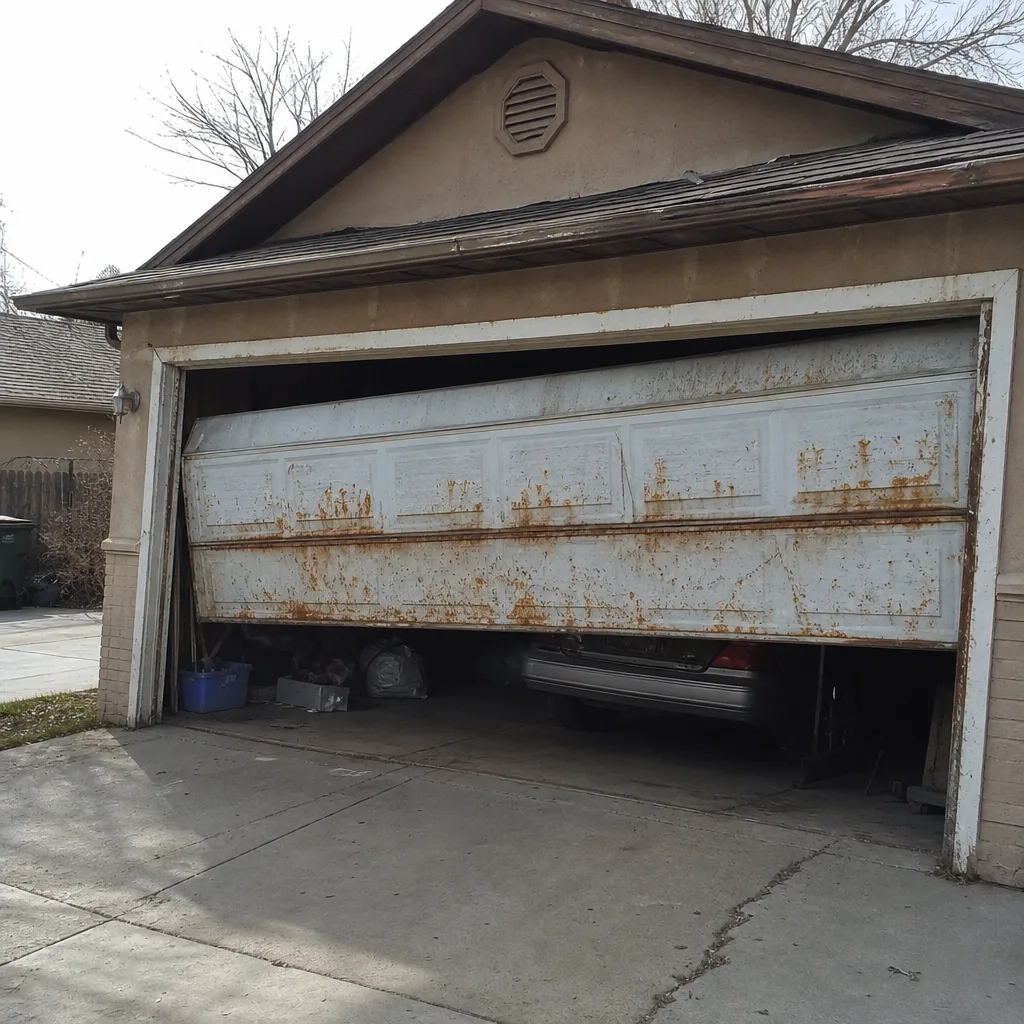
See the difference
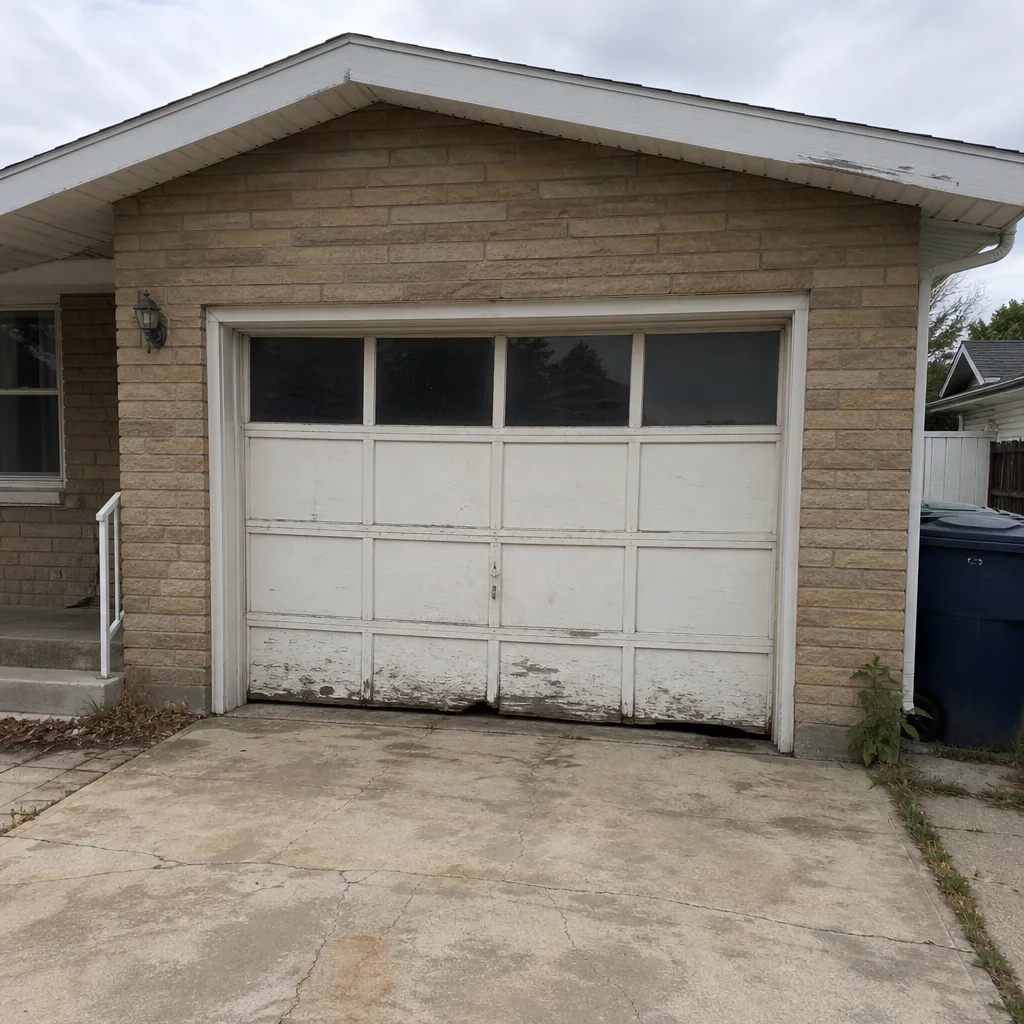 Before
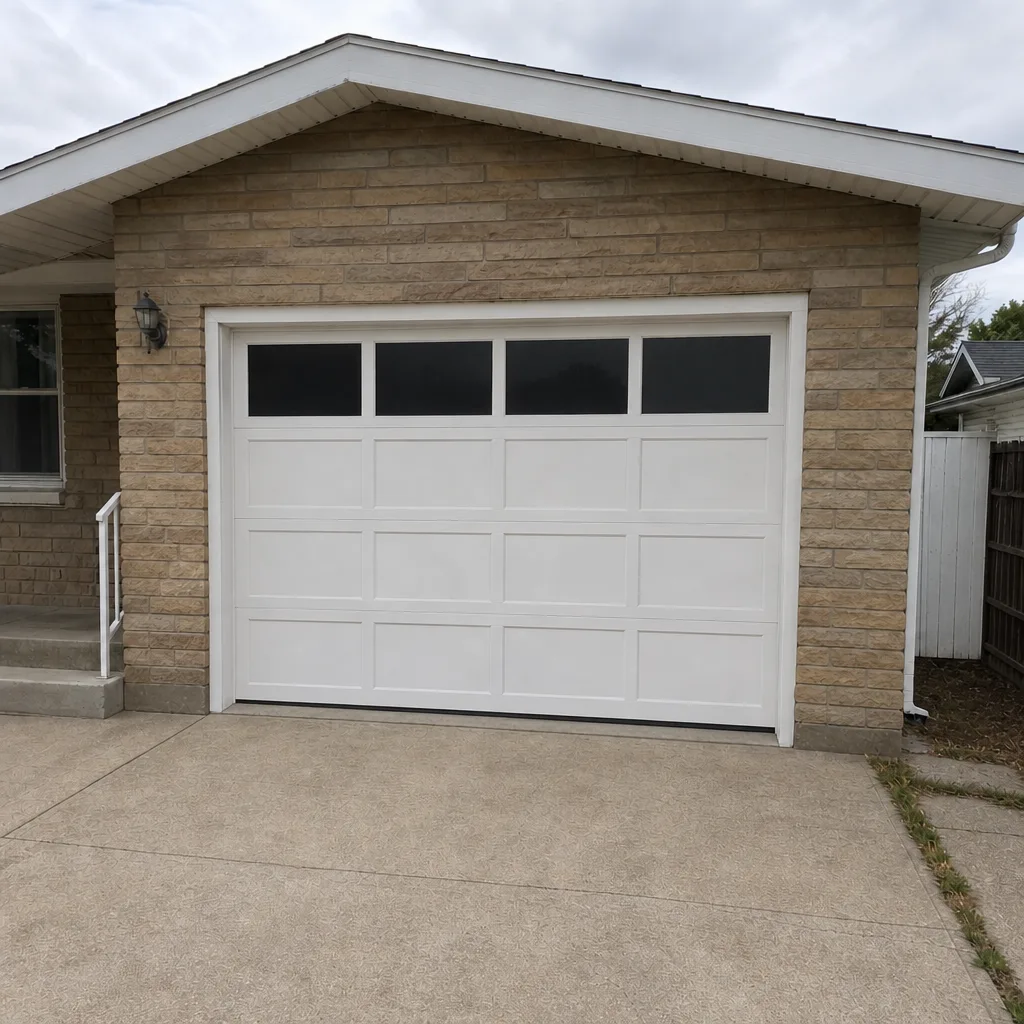 After
 Before
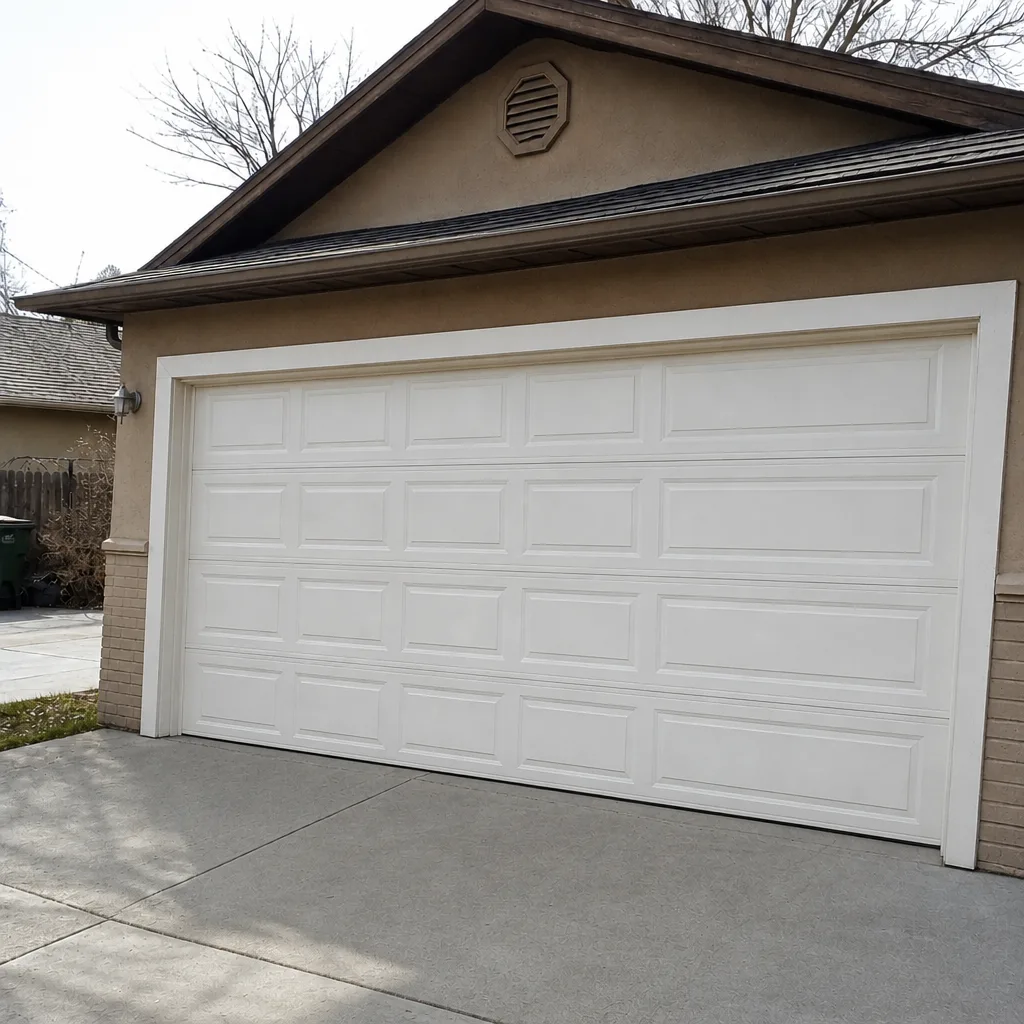 After
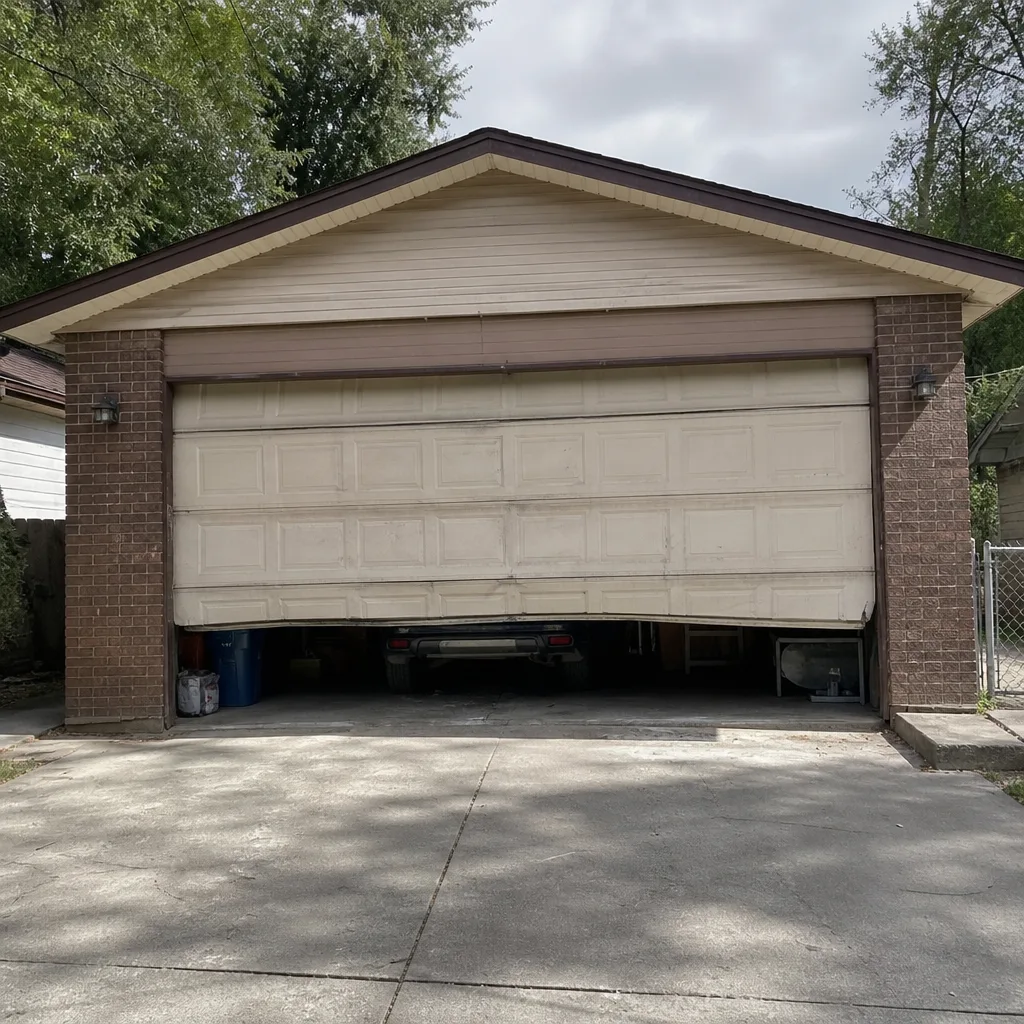 Before
 After
Common Mistakes to Avoid
- Cutting or loosening a cable to “see if it’s the problem.” A cable looks loose even when it’s under full tension. Never release one to test it, because the door’s weight is on it and it won’t stay put.
- Removing a torsion spring with a screwdriver or a makeshift bar. The spring is set to a specific number of turns, and a tool that slips can send the bar across the garage. Use a technician with winding bars sized for the spring.
- Cycling a door that’s off its track to see if it settles. If the door has jumped the track, running it again risks the door falling out entirely. Stop and get it looked at.
- Lubricating with the wrong product. Grease attracts Provo dust and grit that wears the rollers faster. Use a garage-door-rated lubricant and apply it sparingly to moving metal, not the track itself.
- Ignoring a door that sticks in cold weather. In Utah Valley winters, a door that sticks in the cold is telling you the spring or the lubricant is past its best. Have the balance checked before it fails outright.
- Forgetting the opener is a separate system. Buying a new door panel for a problem that’s actually the opener’s motor wastes money. Diagnose the opener before you spend on the door.
- Reprogramming a remote on an opener that’s still under warranty and then assuming coverage holds. Read the warranty first. Some conditions attach to who performs the work, not just to the part.
Frequently Asked Questions
No. A torsion spring stores enough energy to cause a serious injury in a fraction of a second, and releasing it correctly requires training and the right tools. This is one of the clearest professional-only jobs on the door, and the cost of a professional replacement is far below the cost of a failed attempt. Call (877) 526-0732 for a free estimate on spring work.
Weatherstripping and bottom seals, lubrication of rollers and hinges, safety sensor alignment and cleaning, remote and keypad programming, and cosmetic dent assessment. Those tasks don’t touch the stored-energy system or the door’s weight, and they use tools a typical homeowner already owns. Everything touching springs, cables, or major track realignment is professional work.
It depends on your specific door or opener warranty, which varies by manufacturer and model. Many warranties include conditions about who performs the work, and a non-qualified repair can affect coverage on the affected part. Read the warranty document that came with your system, or ask the manufacturer directly, before you decide. If you’d rather keep coverage intact, have the work done by a technician.
It’s set per job by the written estimate, so the number you get is specific to your door rather than a flat rate. The written estimate is quoted and agreed before any work starts, which means you know the price in advance. The best way to get that number is a free estimate: call (877) 526-0732 and describe the symptom you’ve found.
Yes. The door and the opener are two separate systems, and a technician trained on the opener can diagnose it regardless of the door on the frame. Opener work on LiftMaster, Chamberlain, and Genie drives is a specialty, not a handoff to a general handyman. Our technicians work on eight major brands across both systems.
We answer 24/7. A call outside dispatch hours is booked into the next opening, Sunday through Friday, 7am to 7pm. We’re closed on Saturday, and a Saturday call will be scheduled for Sunday. The phone line stays open, so you can describe the problem and get on the schedule as soon as dispatch resumes.
The Bottom Line
The DIY vs professional question for a Provo garage door comes down to one thing: does the job touch the door’s stored energy or its weight? Low-energy tasks like weatherstripping, lubrication, sensor cleaning, and remote programming are genuinely yours to handle, and doing them extends the door’s life. Springs, cables, and major track work are professional-only because a mistake causes injury rather than inconvenience, and the cost math on a failed attempt is worse than the repair price. Run the inspection checklist first so you know what’s wrong, then decide. When the diagnosis points to the professional side, call (877) 526-0732 for a free estimate. We answer 24/7, with fast dispatch from 7am to 7pm, Sunday through Friday, and the written estimate is the price.
Written by the team at Provo Garage Door Service.