
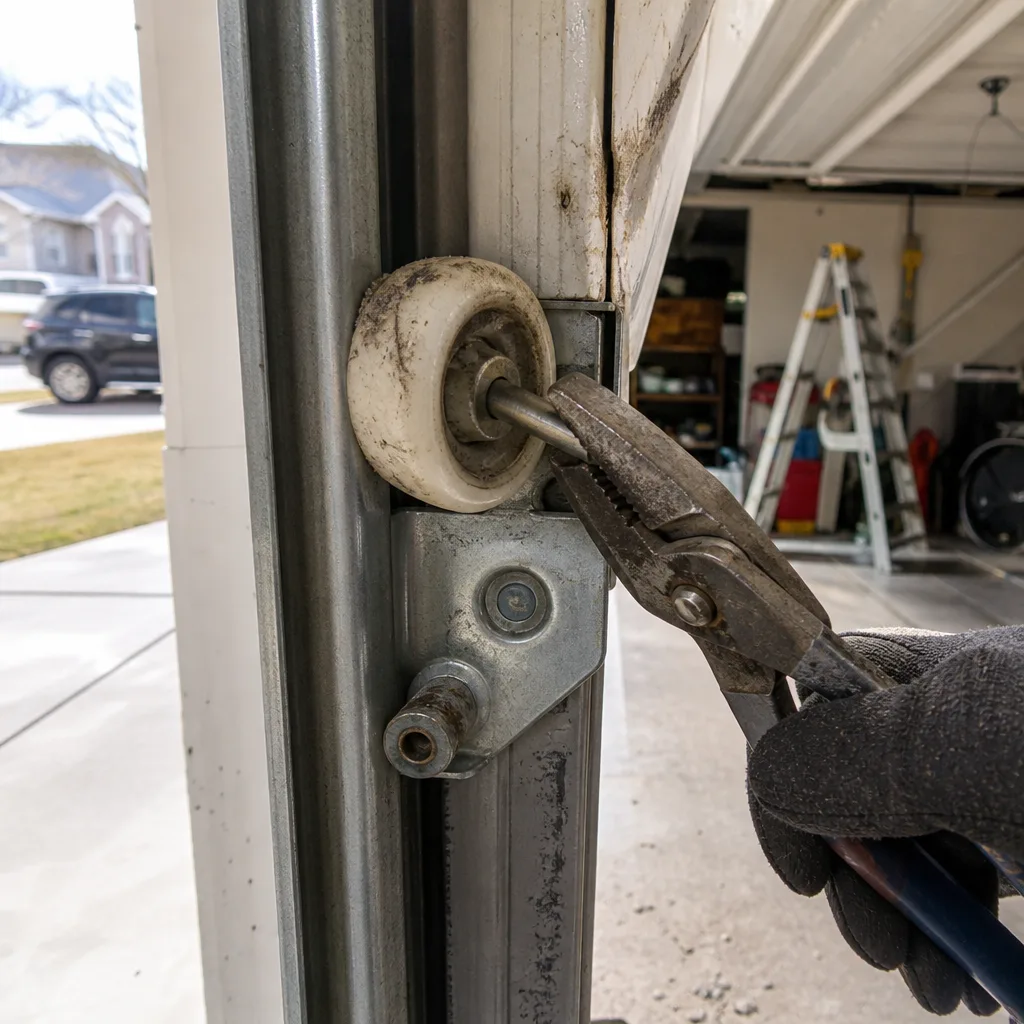
Last updated November 16, 2026
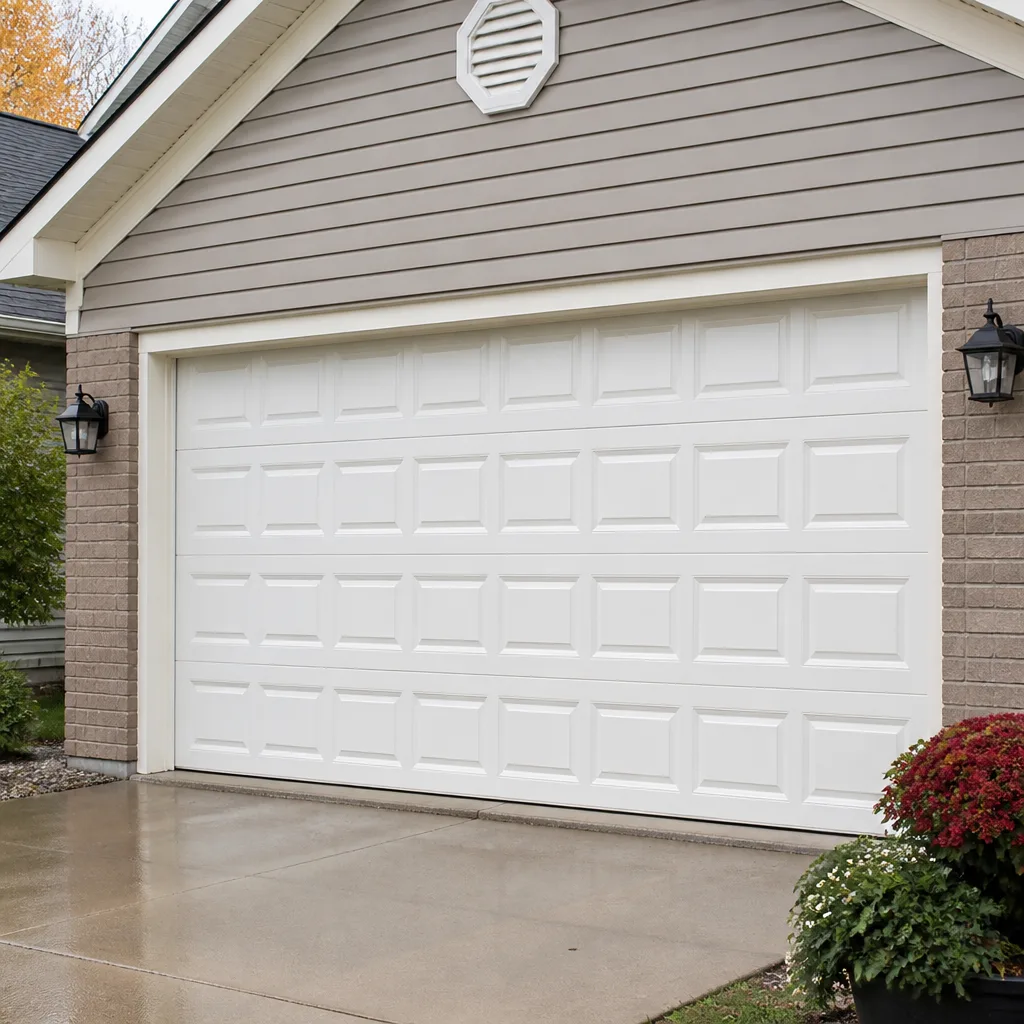 Raised-panel steel
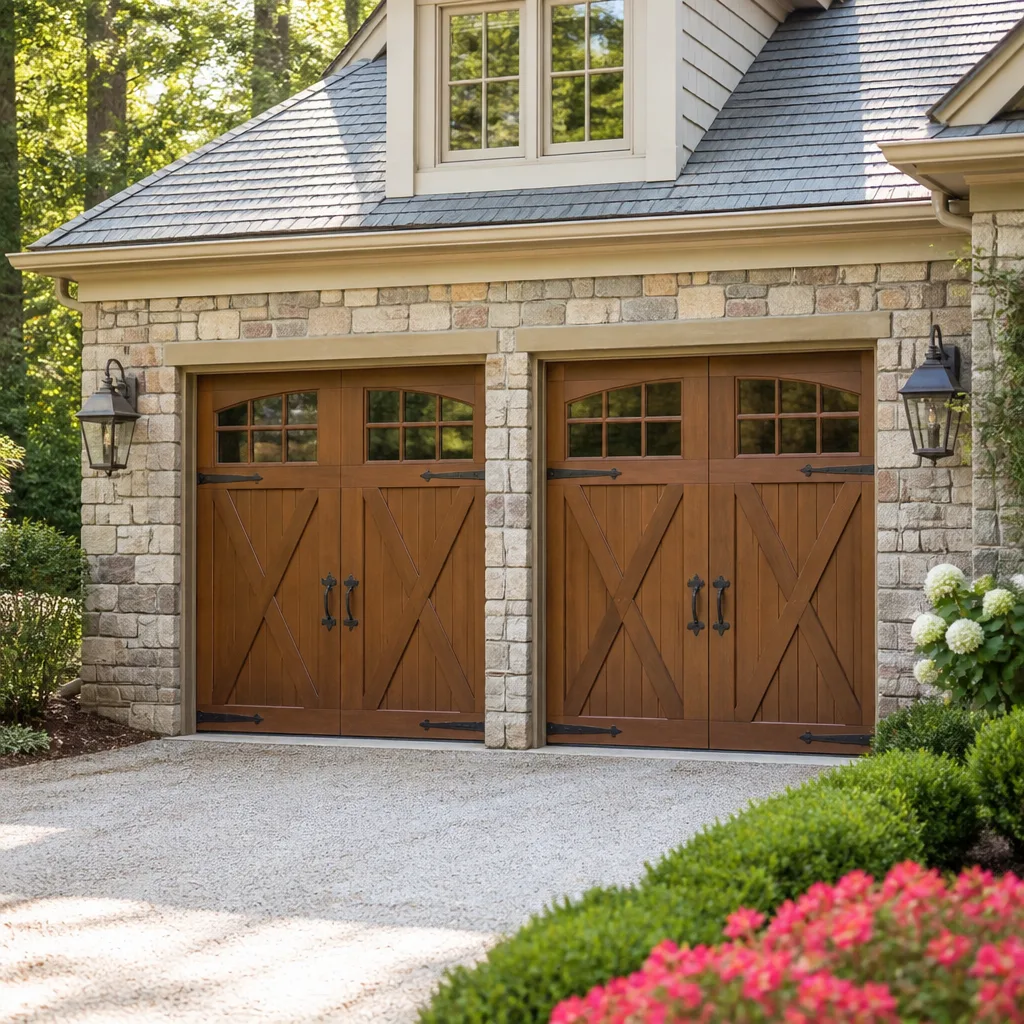 Carriage house
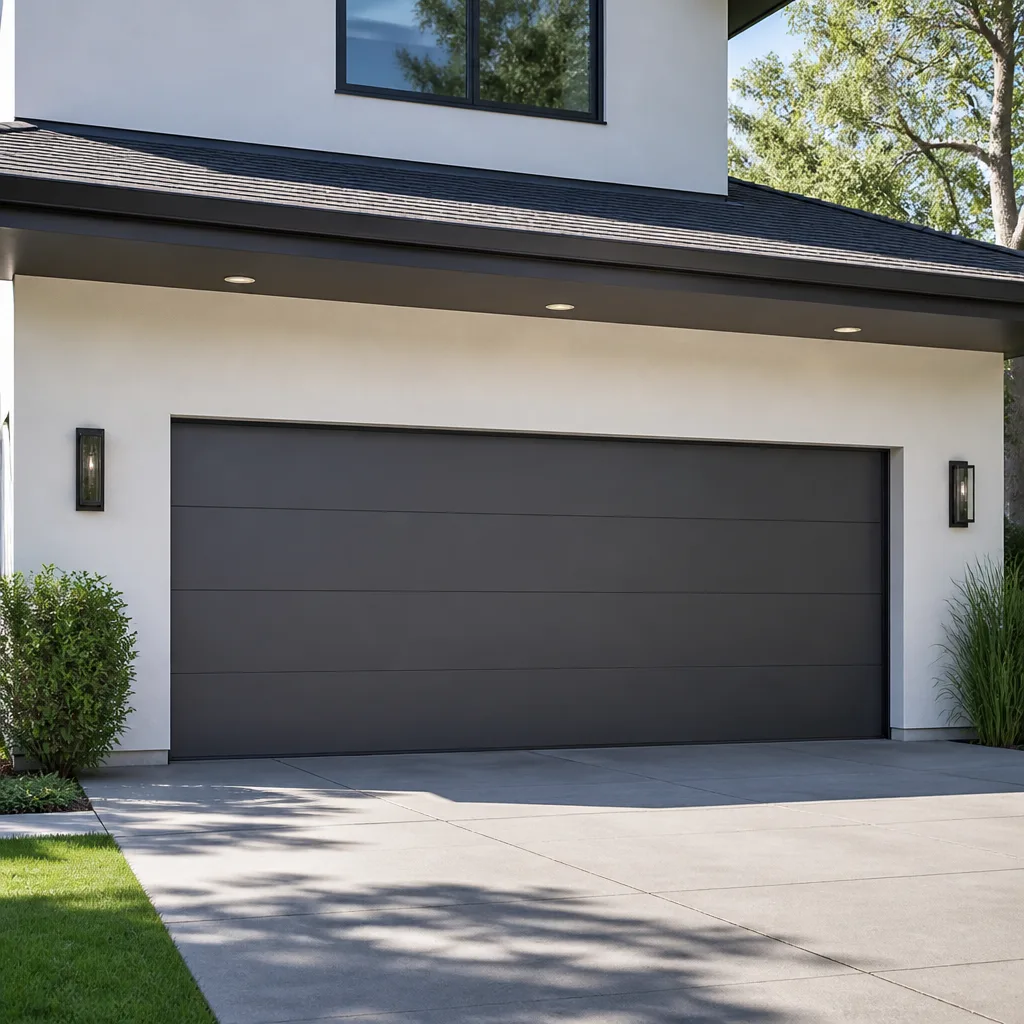 Modern flush
 Full-view glass
 LiftMaster openers
 Chamberlain openers
Full 25-point door and opener safety check with every visit - springs, cables, rollers, tracks, and your LiftMaster or Chamberlain opener included
You get a price before we start. It does not change when the pro arrives.
Get your free estimateGarage Door Permits, Codes & Inspections in Provo, UT: What You Need to Know
Thousands of garage door replacements happen across Utah County every year, and most of them never touch a permit application. That’s legal more often than you’d think. But the exceptions are specific, and they cluster around the work people assume is routine. A door swapped for a different size, a header modified to fit a taller opening, an opener wired into a circuit that wasn’t there before – each of those moves the job from “maintenance” to “regulated,” and the gap between the two is where closing-day problems are born. This guide walks through Provo’s actual trigger rules, the HOA layer that sits on top, fire-rated door requirements, and what happens when a buyer’s inspector finds unpermitted work. You’ll learn where the line is and how to stay on the right side of it.
Styles & brands we work with
- Raised-panel steel
- Carriage house
- Modern flush
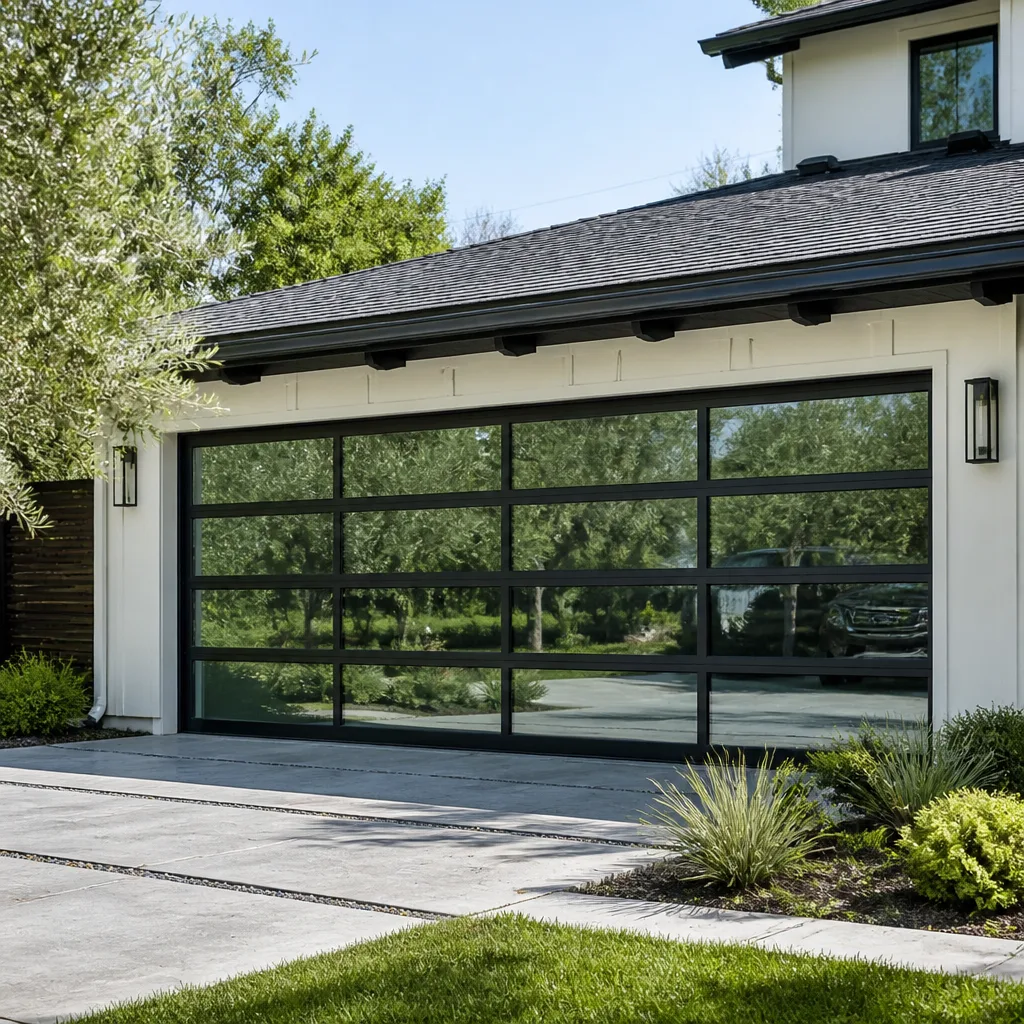
- Full-view glass
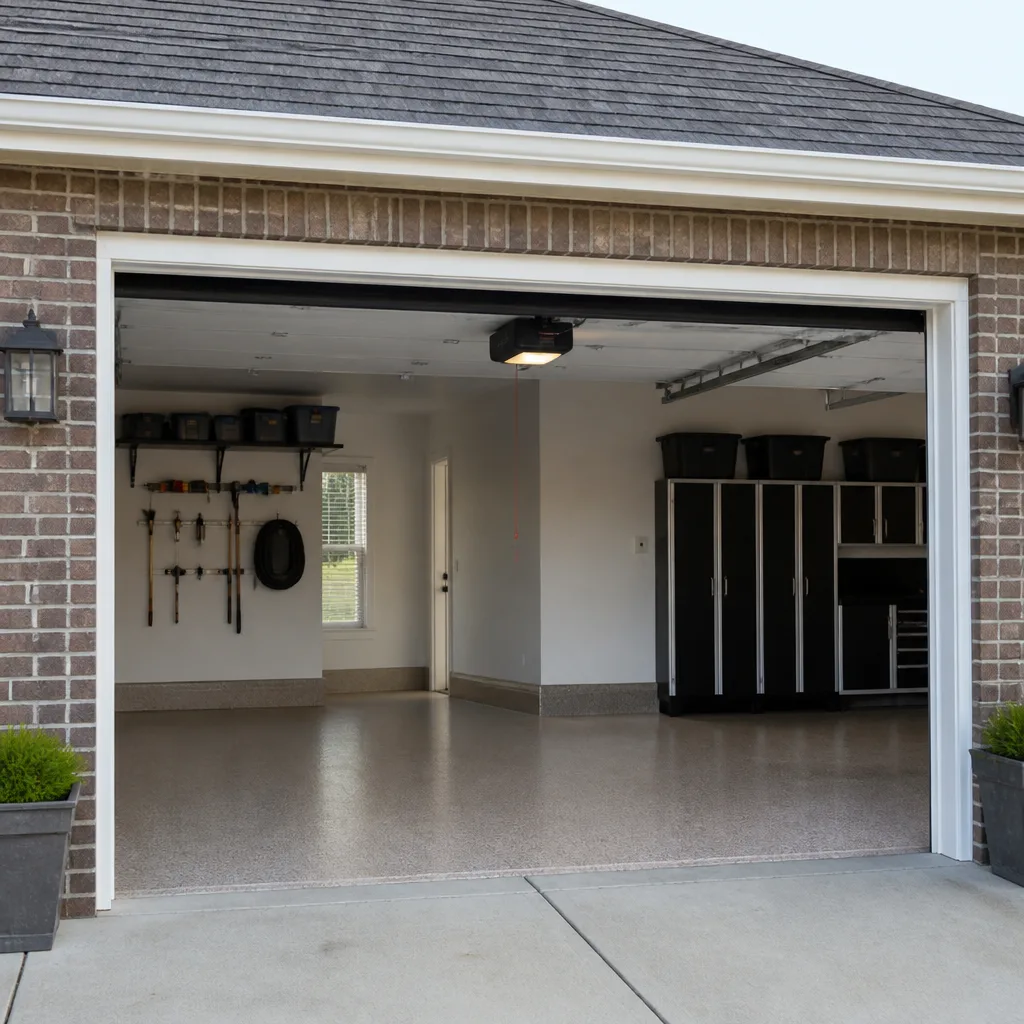
- LiftMaster openers
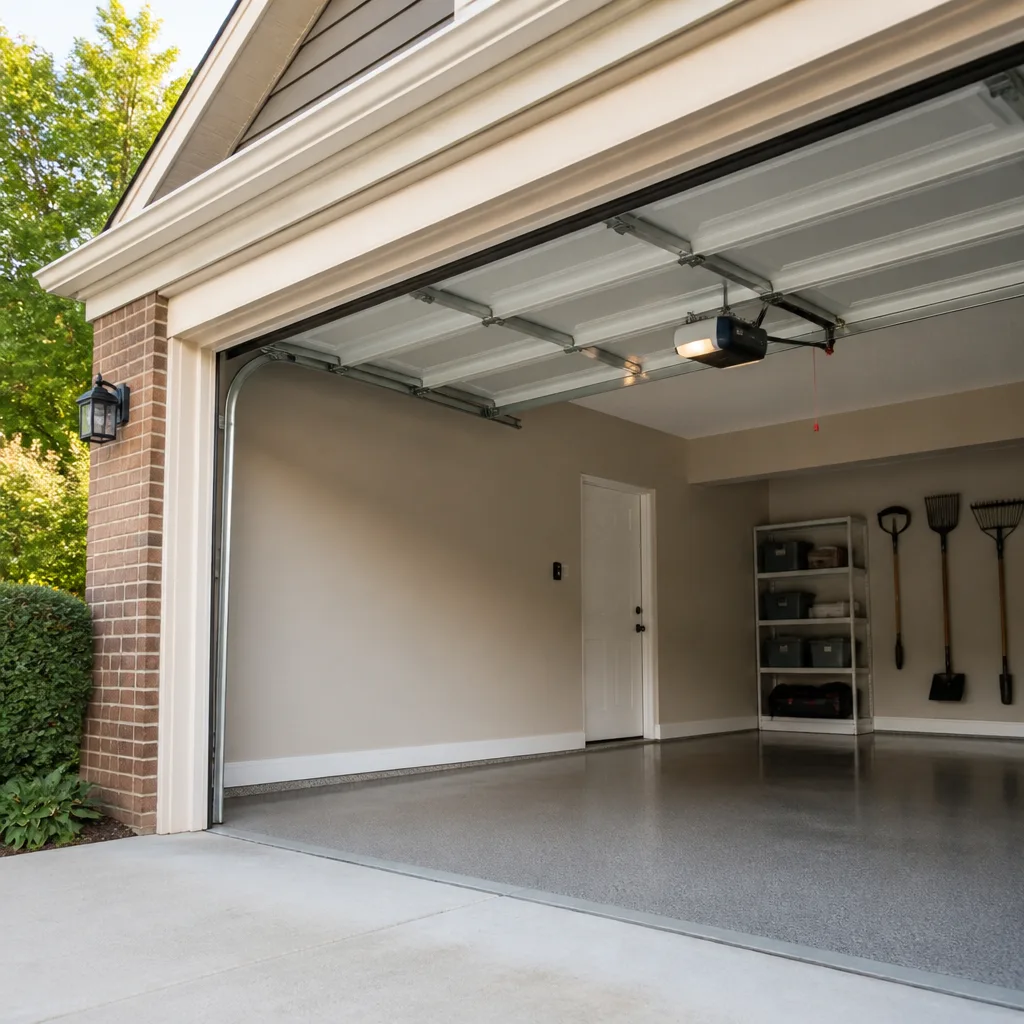
- Chamberlain openers
Quick Answer
In Provo, a garage door permit is typically required when you’re changing the size of the opening, altering structural framing, adding or relocating an electrical circuit for an opener, or building a new garage. A straight like-for-like replacement of an existing door in the same opening, same size, same configuration, generally does not require a permit – but attached-garage fire separation rules and HOA architectural approval may still apply. When in doubt, call the Provo City Building Division and describe the exact scope; that call costs nothing and settles the question faster than any forum thread. For the work itself, Provo Garage Door Service can tell you what the job involves before you ever file anything.
Table of Contents
- When a Garage Door Permit Is Required in Provo
- What Counts as Like-for-Like Replacement
- The HOA Layer: Approval That Isn’t a City Permit
- Fire-Rated Doors for Attached Garages
- What a Failed Inspection Looks Like at Resale
- Wind Load and Seismic Provisions in Provo
- How the Permit and Inspection Process Actually Runs
- Common Mistakes to Avoid
- When to Call a Professional
- Frequently Asked Questions
- The Bottom Line
When a Garage Door Permit Is Required in Provo
The permit question comes down to one word: structural. If the work touches the opening’s framing, its dimensions, or the electrical system serving it, you’re in permit territory. If you’re swapping hardware and panels inside an opening that already exists at the size you’re keeping, you’re usually not.
Provo City’s Building Division treats a garage door replacement the same way it treats most residential alterations – it looks at whether the scope changes the structure, the envelope, or a regulated system. Here’s the practical breakdown of what generally needs a permit and what generally doesn’t:
Work that typically requires a permit in Provo
- Enlarging or reducing the rough opening, including converting a single door to a double or the reverse
- Cutting, adding, or replacing a header or any load-bearing framing above the opening
- New garage construction or converting a carport to an enclosed garage
- Adding a new electrical circuit, outlet, or disconnect for an opener where none existed
- Changing the door’s rated assembly in an attached garage, including fire-rated doors
- Any alteration that affects the wall’s structural or thermal envelope performance
Work that usually does not require a permit
- Replacing a door with an identical-size unit in the same opening, same track configuration, same operation type
- Replacing springs, cables, rollers, hinges, or bearings – these are repairs, not construction
- Replacing an opener with a like-for-like unit wired to an existing outlet
- Routine maintenance, adjustment, and lubrication
This is a general map, not a ruling on your address. Provo’s building department is the authority, and their answer for your specific scope is the one that counts. A two-minute phone call before you order a door is cheaper than discovering the answer during an appraisal.
One more point that surprises people: a permit isn’t the same thing as an inspection, and approval of the plan doesn’t mean the installed work passes. If your job does require a permit, it will require one or more inspections, and the door has to be installed correctly before the inspector arrives. That’s a real reason to use technicians who understand the assembly, not just the install. Our garage door repair work includes plenty of jobs where the door itself was fine but the install detail wasn’t.
What Counts as Like-for-Like Replacement
Like-for-like is the phrase that decides most Provo garage door permit questions, and it’s broader than many homeowners assume – but not as broad as some contractors claim. The test is whether the replacement changes the opening, the structure, or a regulated system. Match all three and you’re typically in the no-permit lane.
The four-part like-for-like test
- Same opening dimensions. The rough opening stays exactly as it is. No reframing, no height change, no width change.
- Same operational type. Sectional stays sectional, tilt-up stays tilt-up, roll-up stays roll-up. Changing the mechanism is an alteration.
- Same general weight and load. The new door doesn’t demand different springing, heavier tracks, or reinforced anchoring than the old one used.
- Same electrical setup. The opener reuses the existing circuit and outlet without new wiring.
Meet all four and a straight replacement is normally treated as maintenance. Fail any one – say the new door is heavier and needs upgraded springing and reinforced center bearing plates – and the question shifts. Heavier doors are a common trigger, because modern insulated doors weigh more than the hollow units they often replace, especially in Provo homes built in the 1970s and 1980s where the original hardware was sized for a very different door.
Insulation is another wrinkle. A homeowner in the Edgemont area replacing a basic door with a fully insulated model gets a better thermal envelope, but also a heavier door. The installer may need to change the hardware package to carry it. That’s not necessarily a permit, but it should be a conversation before the door is ordered, not after it’s hanging.
Brand choice doesn’t affect the permit question at all. We work with Clopay, Amarr, Wayne Dalton, and Raynor doors on the panel side and LiftMaster, Chamberlain, Genie, and Craftsman on the drive side – the permit rules don’t care which logo is on the door. The specs do. A firm estimate from a specialist who knows your brand is worth more than a guess from someone who doesn’t. If you’re weighing a straight repair against a full replacement, our team can tell you which one actually makes sense.
The HOA Layer: Approval That Isn’t a City Permit
Utah County’s larger subdivisions and HOA communities add a second approval layer that has nothing to do with Provo City – and it runs on a completely different timeline. A city permit is a code question. An HOA architectural review is a covenant question. You can satisfy one and still be out of compliance with the other.
In our experience, this is where most homeowner surprises happen. The city says no permit needed, the homeowner orders a door, and the HOA’s architectural committee then rejects the style or color because it doesn’t match the community’s approved palette. The door is fine. The neighborhood rules aren’t.
What HOA architectural review usually covers
- Color and finish. Many communities specify an approved color range for garage doors visible from the street.
- Panel style and window configuration. Carriage-house, raised-panel, and windowed doors are often restricted or specified by section.
- Material. Steel, wood-look, and aluminum may each have rules about which is permitted where.
- Visibility from common areas. Some communities apply different rules to doors visible from the street or a shared green space.
How HOA timelines work in practice
HOA architectural review usually runs longer than a city permit, sometimes weeks longer. It typically requires a written application with product specs, color samples, and often a site plan. Committee meetings may be monthly. That’s a real scheduling constraint when you’re comparing options for a replacement – and a reason to start the HOA paperwork before you order, not after. A door in a color that fails review is very expensive to return. Neighborhoods with a strong architectural committee review in Provo include areas with active HOAs, and the timeline there is the neighbor’s-timeline, not the city’s.
There’s no downside to asking your HOA manager first. One email can tell you whether a formal application is even required for a same-style replacement. If it is, the application details matter, and a product spec sheet from a specialist who knows your brand helps the committee say yes.
Fire-Rated Doors for Attached Garages
The fire separation requirement between an attached garage and a living space is one of the more misunderstood code rules in residential construction – and the one that catches the most homeowners when a garage door changes. The general rule in the International Residential Code, which Utah adopts with local amendments, is that the wall and door separating an attached garage from the house must provide a fire separation. The door between the garage and the house is the piece people confuse.
What “compliant” actually means in product terms
To be compliant, the door between an attached garage and the living space needs to be a rated assembly, not just any solid door. In product terms, that means:
- A listed fire-rated door assembly, labeled and rated for the separation required by your local code.
- The right frame and hardware, because the rating applies to the entire assembly, not the slab alone.
- Self-closing or self-latching hardware in many configurations, so the separation holds when the door is used.
- No unsealed penetrations, which means the door needs proper weatherstripping and threshold sealing.
Here’s the piece most homeowners miss: the overhead garage door itself is not the fire-rated door in this discussion. The overhead door is the vehicle door on the exterior wall. The rated door is the pedestrian door between the garage and the house. Both are part of the garage envelope, and both matter when you’re replacing or altering either one.
This distinction matters in Provo because attached garages are the norm in most neighborhoods, and homes built to older standards may not have compliant rated doors today. If you’re replacing the door between the garage and house, or adding one where none existed, the assembly has to meet the current code. Ask the Provo City Building Division exactly what’s required for your configuration; they’ll tell you what the adopted code expects.
What a Failed Inspection Looks Like at Resale
Non-permitted work that was never discovered during construction often gets discovered during a sale. The buyer’s inspector notes the door, the opener, or the framing, and the question of whether the work was ever inspected lands in the middle of a transaction with a deadline attached. That’s the worst possible time to be solving a paperwork problem.
How the issue surfaces in a typical sale
- The buyer’s home inspector documents the door or opener. They will note any work that shows signs of physical alteration – a new header, an opener mounted on fresh wiring, a replaced door in a modified opening.
- The buyer’s agent requests evidence of permits and inspections. If you can’t produce them, this becomes a negotiation item.
- The city is contacted. The Provo City Building Division can confirm whether permits were pulled and inspections cleared for the address.
- Remediation is scoped.
What remediation actually involves
- A retroactive permit. You apply for the permit the work should have had. Approvals and inspections are scheduled.
- A site inspection. The inspector evaluates what’s installed, not what’s on paper. Non-compliance has to be corrected before signing off.
- Correction if the work fails. Common corrections include an opener wired without a permit, a door installed in a modified opening without engineered framing, or a rated door missing proper hardware.
- A time cost. Retroactive permits run on the city’s review timeline, which can be weeks. In a closing that’s a real problem.
That’s the concrete risk of unpermitted work: not a fine, but a closing deadline that can’t wait for a review queue. In the Provo market, where homes sell and buyers negotiate quickly, that timeline can cost more than the original work ever saved.
One remedy is simple: ask for the permit up front. If a contractor tells you a permit isn’t needed, ask them why in writing. A specialist who knows the rules will answer in a sentence. A general contractor who won’t will fumble. If you’re unsure which category your door falls into, our team handles the full door lifecycle – repairs, opener diagnostics, and new installation – and can point you toward the right answer. Opener wiring questions specifically call for garage door opener repair expertise, since the electrical part of the question is where permits most often come into play.
Wind Load and Seismic Provisions in Provo
Provo sits in a region with specific structural design requirements, and garage doors are on the list – not because of any unusual local weather event, but because the door is a large, lightweight assembly in a wall that has to perform structurally. The relevant question for homeowners is whether a replacement door needs upgrades to the panels or the hardware beyond standard residential spec.
How wind load and seismic criteria affect a garage door
- Design pressure ratings. Garage doors are rated for design wind pressure, and the required rating depends on the structure’s location and the door’s exposure. A door installed to a lower rating than required can be flagged during inspection.
- Anchoring and attachment. The door’s track and header attachment are part of its wind performance. Standard residential anchoring may not meet the required design pressure for a given wall.
- Seismic bracing. In seismic design categories applicable to parts of Utah, the door’s support system may need additional bracing or specified hardware.
- Door weight and balance. Seismic and wind upgrades often add weight, which changes springing and hardware.
When to ask for the upgrade
The right time to ask is before ordering. The door manufacturer publishes a design pressure rating for each model, and the local code determines what’s required. If your replacement is like-for-like – same rating, same anchoring, same hardware package – you’re typically staying within the existing performance envelope. If you’re upgrading to a heavier insulated door, adding windows, or changing the opening, ask the Provo City Building Division whether the design criteria require a stronger assembly.
In practice, most residential replacements in Provo stay within standard residential spec, and the answer from the city is that no upgrade is needed. The cases where it changes tend to be new construction, major remodels, and specific exposure conditions. Get the answer in writing before you order. It’s a sentence in an email, not a project.
How the Permit and Inspection Process Actually Runs
If your Provo garage door job does require a permit, the process is shorter than most homeowners expect. The key is knowing what order it goes in, because getting the order wrong – installing before inspection, or ordering before the plan is approved – creates the exact problem you were trying to avoid.
Step-by-step: the permit path in Provo
- Describe the scope to the Provo City Building Division. Tell them exactly what’s changing: opening dimensions, framing, electrical, door type. They’ll confirm whether a permit is required.
- Submit the application. Residential garage door permits are usually straightforward and can often be filed in person or through the city’s online portal. Include the door’s specs and any structural details.
- Get the plan approved. Review time varies; ask what to expect for your scope.
- Schedule the work. This is where the ordering timeline matters. Many doors are made to order, so lead time is real.
- Install and request the inspection. The door is installed, then the inspector verifies the work matches the approved scope.
- Get the sign-off. Keep the inspection record with your home’s paperwork. It’s the thing a buyer will ask for.
Alongside the permit: the practical work
The permit is the paperwork. The work is the actual install, and the two don’t overlap. A permit doesn’t install the door correctly, and a correct install doesn’t replace the inspection. If you’re replacing a full assembly, that’s an installation job – scheduled, measured, and ordered rather than done in an emergency. If something is broken and you need a fix, that’s Provo‘s repair lane and moves faster. The two paths use the same technicians and the same brands, but the timeline and the paperwork are different. Know which one you’re on before you start.
Common Mistakes to Avoid
- Assuming every replacement needs a permit. Most like-for-like swaps don’t, and chasing a permit you don’t need just slows down a routine job. Ask the city before you assume.
- Assuming no replacement ever needs a permit. The opposite error is worse. A size change, a header modification, or new opener wiring moves you into permit territory. Get the scope clear before the door is ordered.
- Skipping the HOA application because the city didn’t require a permit. In Provo’s HOA communities, the architectural committee runs a separate review with a separate timeline. A city approval doesn’t clear the HOA. Do both.
- Confusing the overhead garage door with the fire-rated pedestrian door. They’re two different assemblies serving two different functions. If you’re replacing either, ask which one the code is regulating for your configuration.
- Installing before the plan is approved. A door installed before permit approval has nowhere to go if the plan is rejected. Order after approval, not before.
- Losing the inspection paperwork. The sign-off is the proof a future buyer will ask for. Keep it with the home’s records alongside your other permit documents.
- Not asking about design pressure when the door changes. If your new door is heavier or differently configured, the assembly’s rating question gets real. Ask before ordering, not after.
When to Call a Professional
Some jobs are a quick decision; others are one you’ll want a specialist to scope before you commit to anything. If your garage door is broken, off its tracks, or won’t open, that’s a repair call – and it’s a safety call if you’re considering spring work. High-tension springs and cables store enough energy to cause serious injury, and those are not a homeowner job. If your opener is failing, that’s a separate system with its own diagnostics, and it’s worth calling a specialist rather than a general handyman. If you’re planning a replacement, a size change, or a new installation, that’s a measured, ordered job that starts with a written scope and a permit question answered before the door is ordered. And if you’re midway through an HOA application, a resale inspection, or a permit question you can’t get a straight answer on, a specialist who knows the process can save you weeks.
Provo Garage Door Service offers free estimates in Provo – call (877) 526-0732. We answer 24/7. Fast dispatch from 7am to 7pm, Sunday through Friday.
Frequently Asked Questions
Usually not, if the replacement is identical in size and configuration and doesn’t alter the framing, electrical, or fire separation. A permit is typically required when the opening changes, the header is modified, new wiring is added for an opener, or the work affects a rated assembly. Call the Provo City Building Division with your exact scope to confirm – the call is free and the answer is fast. If your job is just a broken door or opener, call (877) 526-0732 for a free estimate on the repair.
A city permit is a code review by the Provo City Building Division; an HOA approval is a covenant review by the community’s architectural committee. They’re separate processes, with separate timelines – and one doesn’t clear the other. HOA review is often slower and typically covers color, style, and material. In Provo neighborhoods with active HOAs, start that application before you order the door. Call (877) 526-0732 and we can help you identify what the specs should look like before you file.
No. The overhead garage door is the vehicle door on the exterior wall. The fire-rated door is the pedestrian door between the garage and the living space, and it needs to be a rated assembly with the correct frame and hardware. If you’re replacing or adding that door, ask the Provo City Building Division what the adopted code requires for your configuration – and call (877) 526-0732 if you’re not sure which door on your house needs the upgrade.
It often does, because the buyer’s inspector will note altered framing, new opener wiring, or a replaced door in a modified opening. The buyer’s agent will then ask for permit and inspection records. If those don’t exist, the sale can stall while a retroactive permit and inspection are completed. The remedy is to get the records before the sale, not after. Call (877) 526-0732 to scope the work correctly up front.
Not automatically, but a heavier door changes the hardware and springing, and in some configurations it affects design pressure and anchoring. Those details matter during inspection. The permit question depends on scope, not weight alone – but if you’re upgrading to a heavier or fully insulated door, ask about the assembly rating before ordering. For a straight repair, our technicians have up to 14 years of experience with the major brands and can give you a free estimate – call (877) 526-0732.
Yes. Opener wiring is a common inspection item because a new circuit or outlet addition is part of the electrical scope. Our garage door opener repair service covers the mechanical and electrical systems that general handymen often skip, on LiftMaster, Chamberlain, Genie, and Craftsman drives. Call (877) 526-0732 for a free estimate – the written scope tells you exactly what’s being done before anything starts.
The Bottom Line
Provo’s garage door permit rules are narrower than the fear suggests, but they matter at the exact moments you don’t want to be surprised: during a sale, during an inspection, and during a project where the scope changed without anyone saying so. The practical approach is to ask three questions before you commit to any garage door project: (1) does the scope change the opening, the framing, the electrical, or the fire separation? (2) does the HOA have its own architectural review that runs on a different timeline? and (3) does the assembly’s design pressure rating change if the door does? Answer those, and the rest is a routine install or a repair. Get the answers before you order the door, not after it’s on the truck. If you want a specialist to walk through the scope and the brands with you, Provo homeowners can call Provo Garage Door Service at (877) 526-0732 for a free estimate. We answer 24/7. Fast dispatch from 7am to 7pm, Sunday through Friday. When your price is quoted, it’s quoted in writing and agreed before any work starts – no surprises at the end.
Written by the team at Provo Garage Door Service.
See the difference
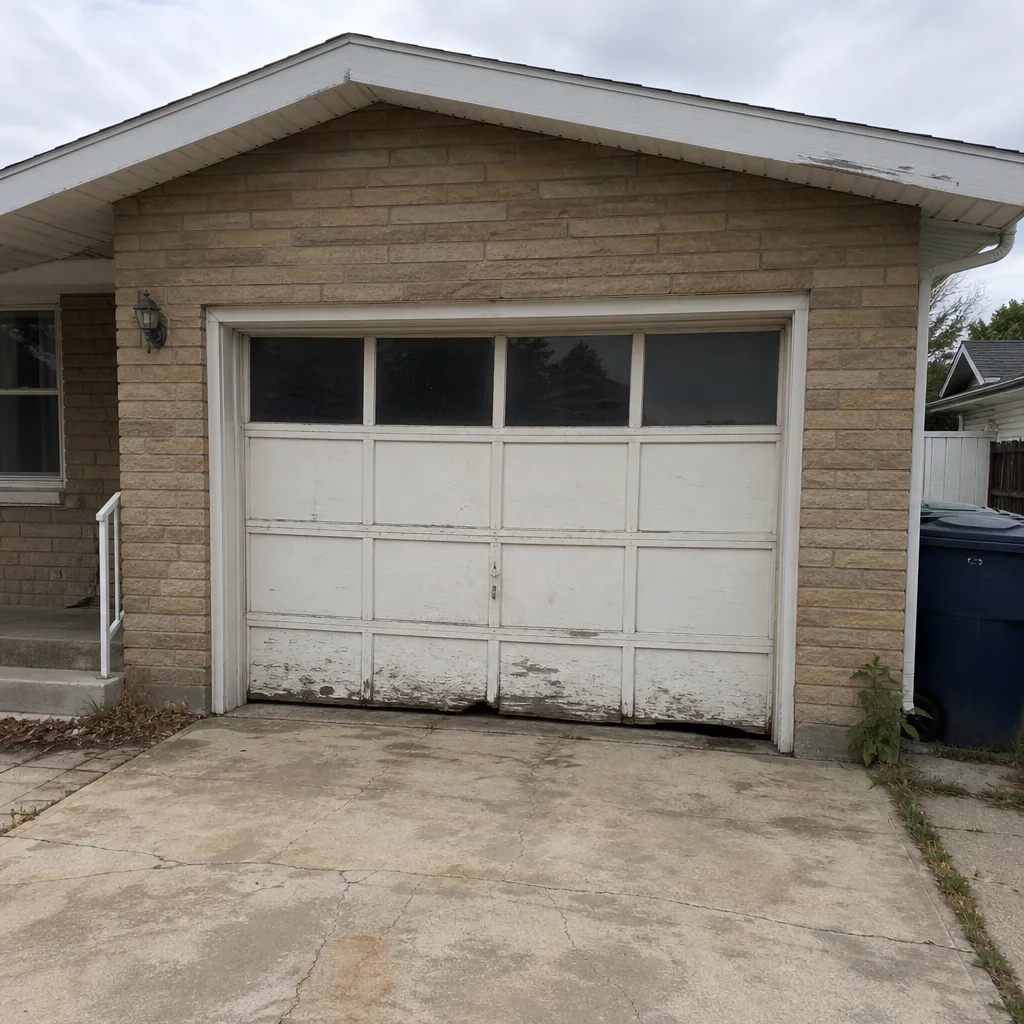 Before
 After
 Before
 After
 Before
 After