
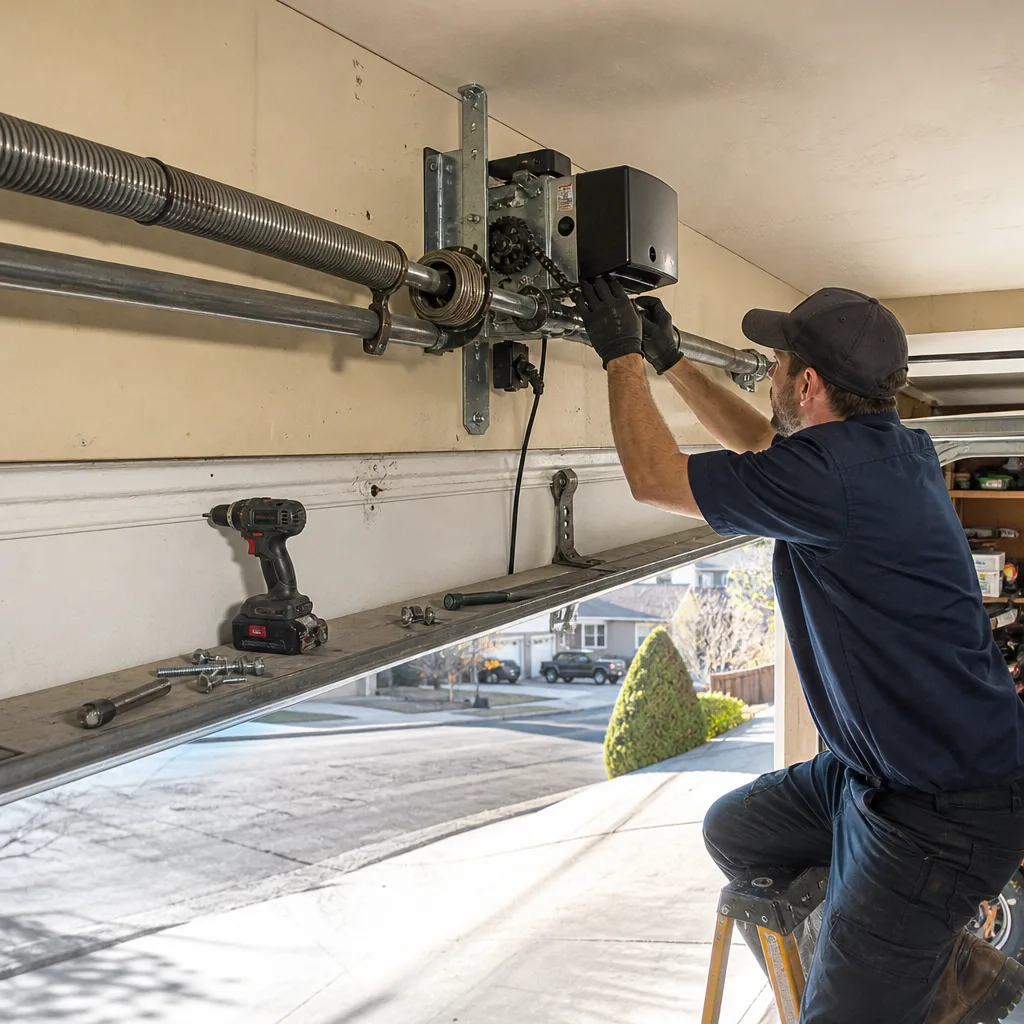
Last updated November 16, 2026
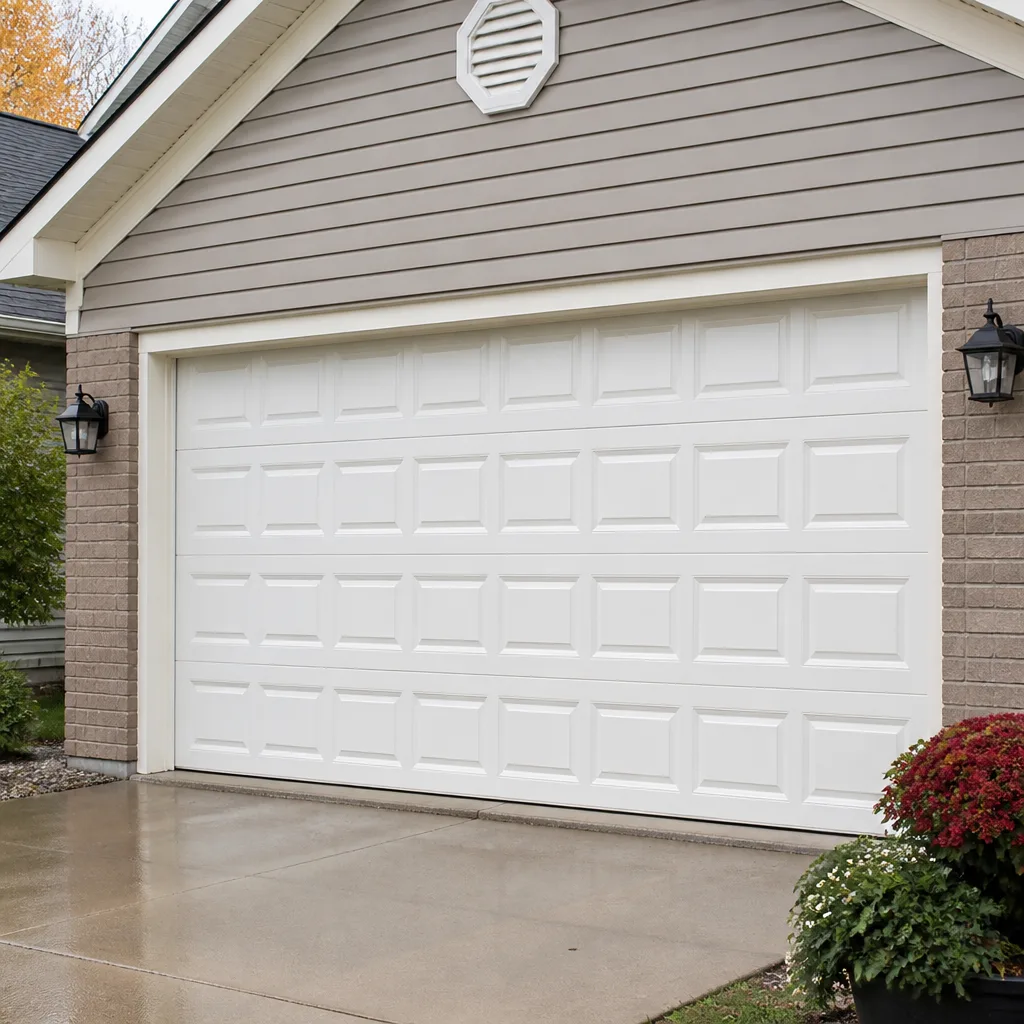 Raised-panel steel
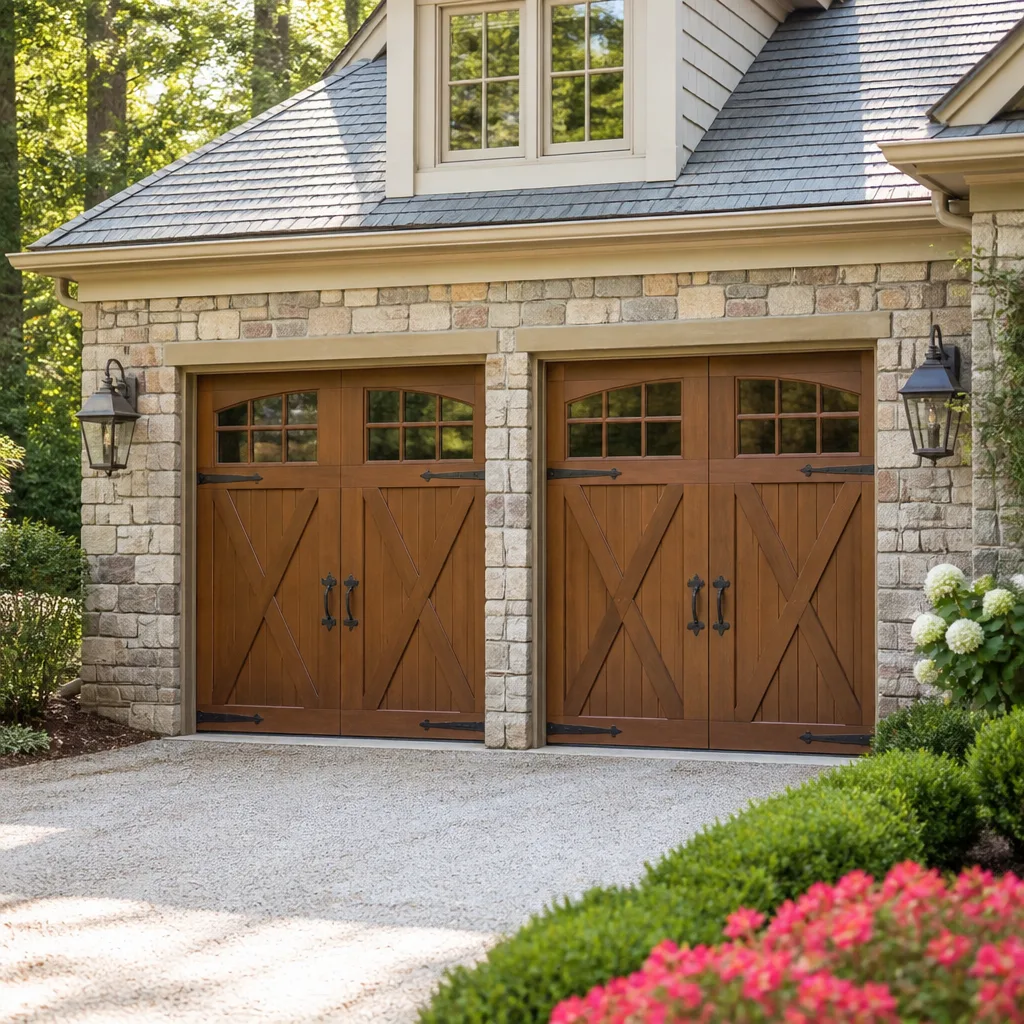 Carriage house
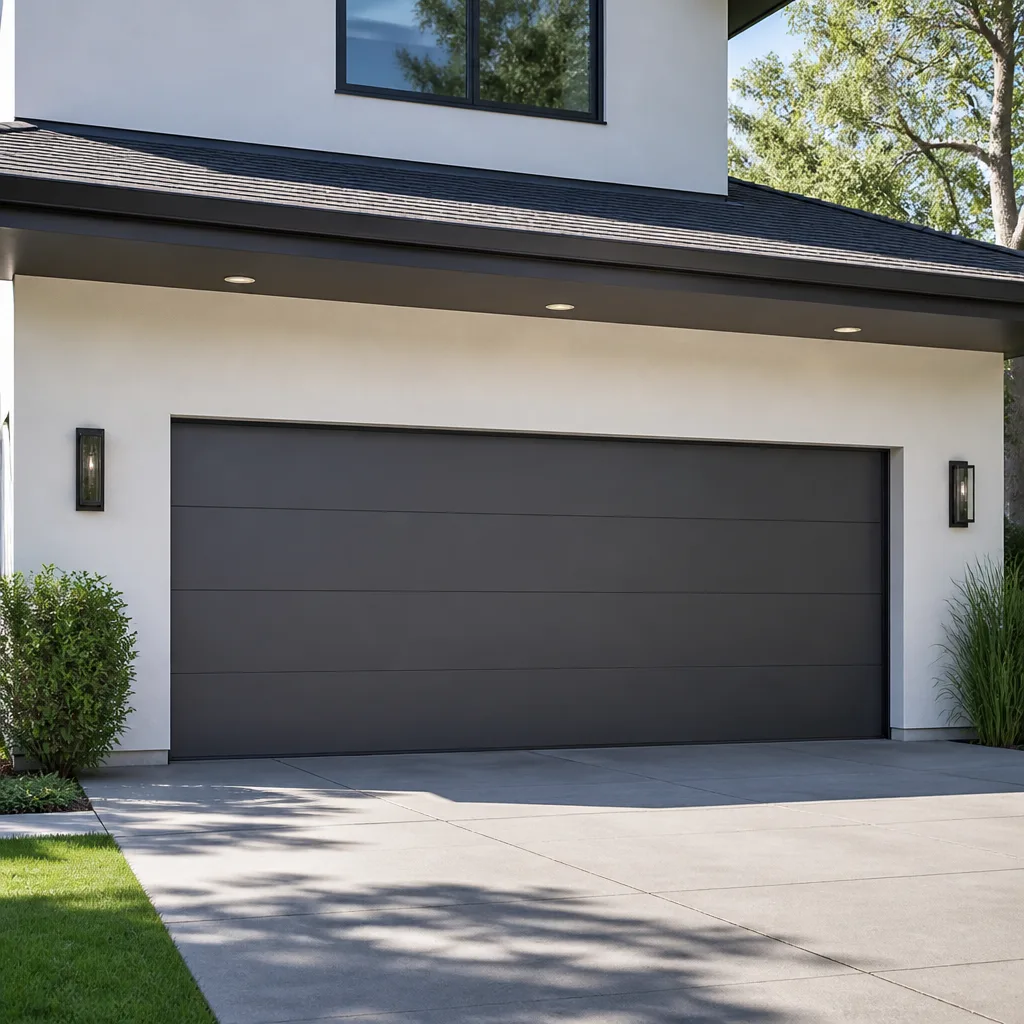 Modern flush
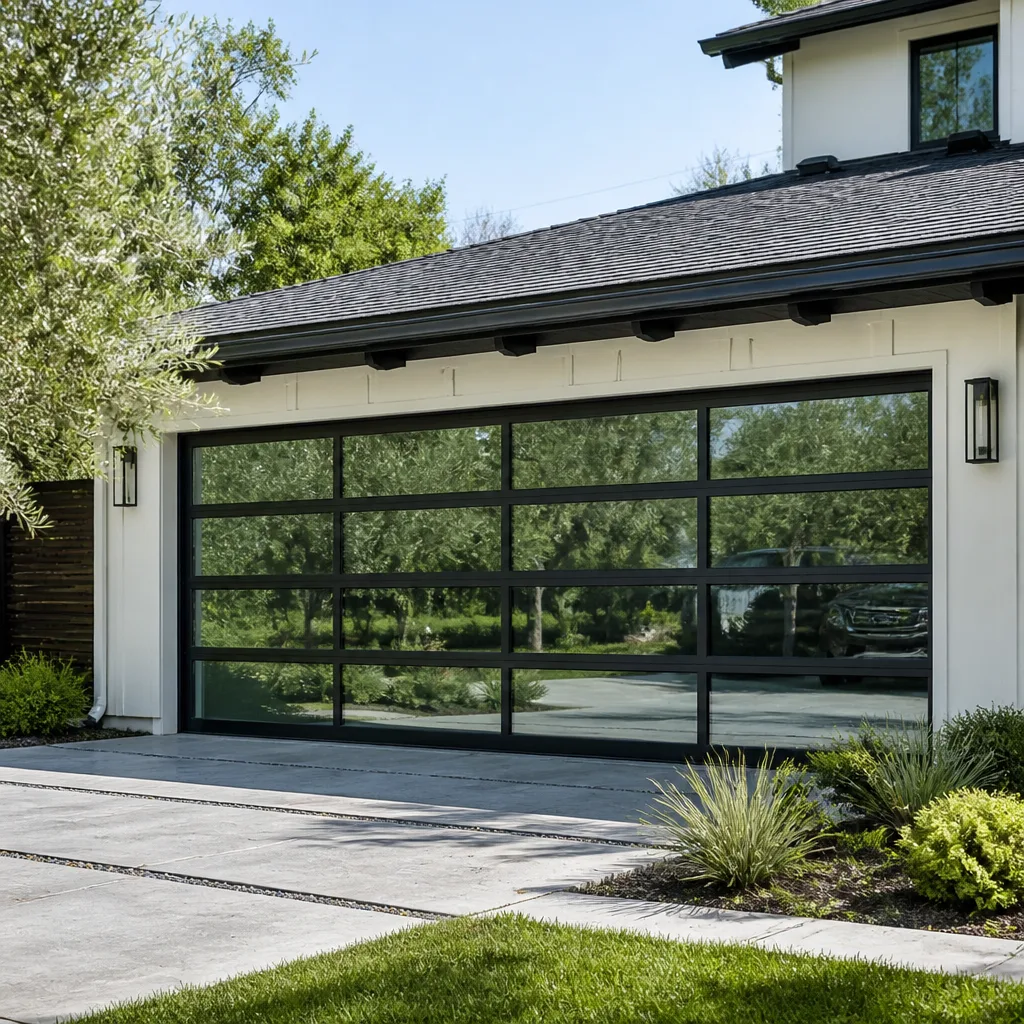 Full-view glass
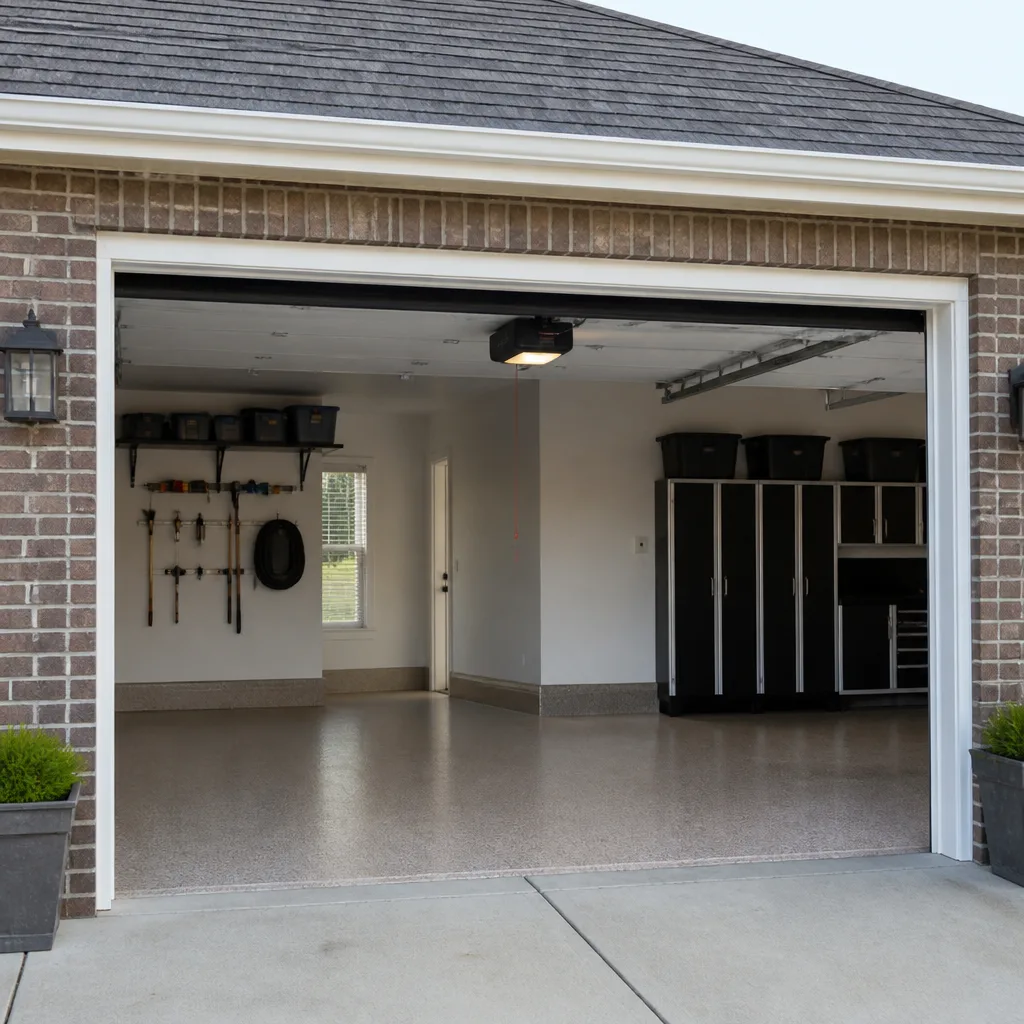 LiftMaster openers
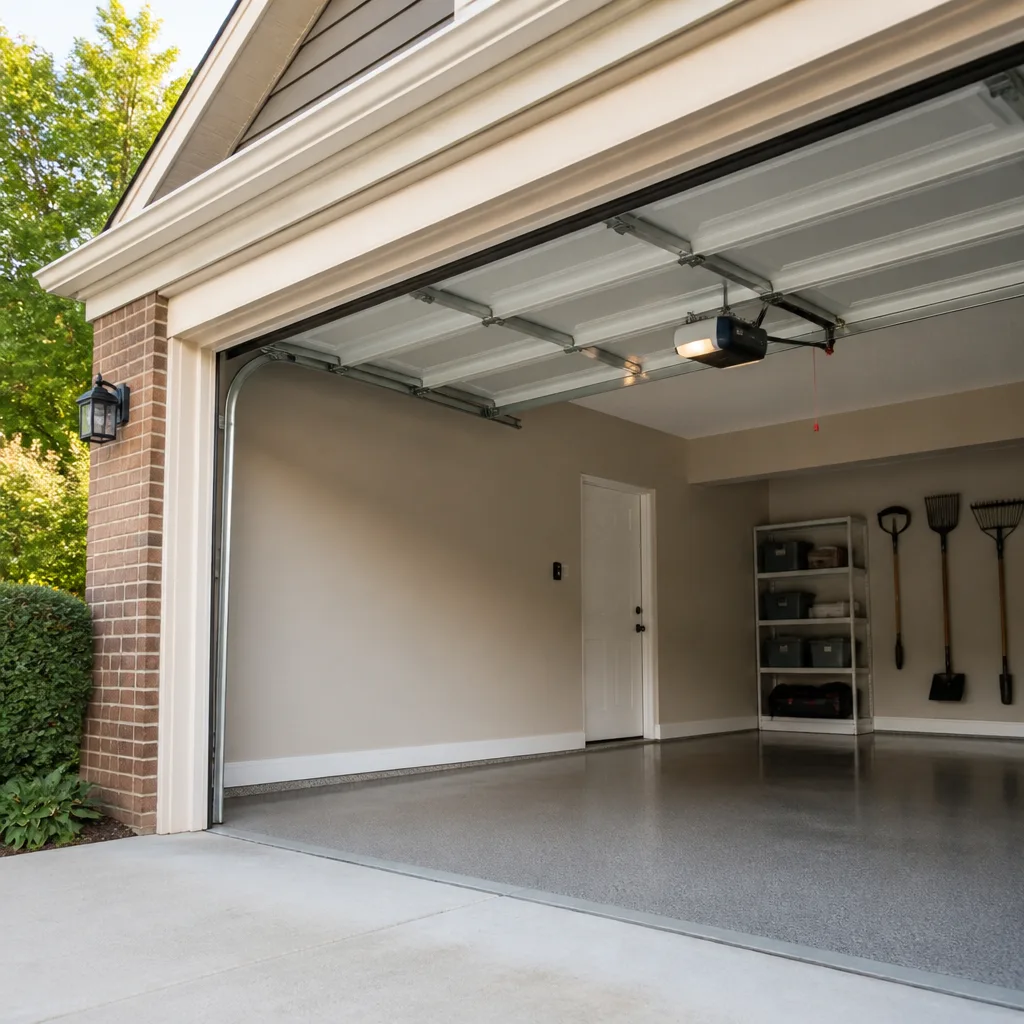 Chamberlain openers
Full 25-point door and opener safety check with every visit - springs, cables, rollers, tracks, and your LiftMaster or Chamberlain opener included
You get a price before we start. It does not change when the pro arrives.
Get your free estimateThe Complete Guide to Garage Doors in Provo
A garage door looks like one thing. It isn’t. It’s a door panel, a torsion or extension spring system, a track, a set of rollers and hinges, a weather seal, and a motorized opener, all working as one unit. Most homeowners in Provo make decisions about these parts separately: they buy a new door without checking whether their opener can lift it, or they replace a spring without knowing how much life the panels have left. This guide treats the whole assembly as a system, because that’s how it fails and that’s how it should be maintained. We’ll cover how Provo’s elevation and temperature swings affect materials, which brands you’ll actually find on Utah County homes, what a door costs over time, and when a permit is required. By the end you’ll understand the door on your house well enough to make a clear decision about it.
Quick Answer
A garage door in Provo is best understood as a complete system, not a single product: the panels, springs, tracks, and opener all need to be evaluated together before you repair or replace anything. Provo’s elevation sits around 4,500 feet, and the temperature swings between summer heat and winter cold are harder on weatherstripping and panel finishes than the milder valleys to the north. That means maintenance intervals matter here, and so does matching a new door to the opener you already own. One call to a specialist who handles the door, the hardware, and the opener covers the whole picture.
Styles & brands we work with
- Raised-panel steel
- Carriage house
- Modern flush
- Full-view glass
- LiftMaster openers
- Chamberlain openers
Table of Contents
- Why a Garage Door Is a System, Not a Product
- How Provo’s Elevation and Weather Affect Your Door
- Which Garage Door Brands You’ll Find on Provo Homes
- The Full Lifecycle Cost of a Garage Door
- When a Permit Is Required in Provo
- Repair or Replace? How to Decide
- A Yearly Maintenance Checklist for Provo Homeowners
- Springs, Cables, and Opener Safety
Why a Garage Door Is a System, Not a Product
Every part of a garage door imposes load on every other part. Change one component and the others feel it. This is the single most common thing homeowners miss, and it’s why a door that “looks fine” can fail suddenly three months after a new opener is installed.
A residential garage door contains hundreds of individual components. The springs carry the door’s weight so the opener doesn’t have to. The opener is sized to lift a door of a specific weight with the springs doing their share. If the springs weaken and you install a stronger opener to compensate, the opener now carries a load it wasn’t designed for, and the motor, gears, and drive system wear faster. The reverse is also true: a door that’s too heavy for its opener, or a door that’s been re-paneled with heavier material, will strain a perfectly good motor.
Here’s how the load actually travels through the system:
- Springs counterbalance the door’s weight. When they’re properly tensioned, the door should lift with one hand.
- Tracks and rollers guide the door’s path. A bent track forces the opener to push against resistance it wasn’t sized for.
- Hinges and panels distribute the load across the door’s width. A cracked panel changes where the stress lands.
- The opener does the lifting work that the springs don’t cover, plus the safety reversal and force sensing.
- Weatherstripping and bottom seal keep out water, cold air, and pests, and they take the brunt of Provo’s temperature swings.
When we assess a door in Provo, we look at all five at once. Repairing a spring on a door with a failing track and a worn opener is money spent on a problem that will come back. The audit is what saves the second call. If you’re not sure where your door stands, garage door repair starts with exactly that assessment, and you’ll get a straight answer on what actually needs attention.
How Provo’s Elevation and Weather Affect Your Door
Provo sits at roughly 4,500 feet, and that elevation changes how a garage door ages compared to homes in lower-altitude Utah cities like Ogden or St. George. The air is thinner, the UV exposure is more intense on south- and west-facing doors, and the seasonal temperature swing is wider. Doors here cycle through more expansion and contraction in a year than doors in milder climates, and that cycling is what wears out seals, finishes, and hardware.
The biggest practical effect is on weatherstripping and the bottom seal. Every time the seal expands in summer heat and contracts in winter cold, it takes a small permanent set. After a few seasons it stops making full contact with the floor, and that’s when you notice daylight under the door, drafts, or water in the garage after a storm. Provo’s freeze-thaw cycle also works on the concrete apron under the door, which can shift and leave gaps the seal can’t bridge.
Panel finish is the other vulnerable point. Steel and aluminum panels are painted or powder-coated, and that coating gets hit by intense high-altitude sun. Doors facing west or south in Provo tend to show fading and chalking earlier than doors on shaded sides of the same house. Wood-composite and wood doors need repainting or resealing more often here for the same reason.
- Inspect the bottom seal each spring and fall, and replace it when it no longer touches the floor evenly.
- Wash and check painted steel panels yearly; touch up any scratch before it becomes a rust spot.
- Expect weatherstripping to need replacing more often than the manufacturer’s general guidance suggests.
- Lubricate hinges, rollers, and the spring coils (never the tracks) to keep them moving through the temperature swing.
None of this means a door here falls apart faster. It means the maintenance intervals are shorter, and paying attention to the seal and the finish keeps a door’s appearance and performance intact for years longer. Our technicians have up to 14 years of experience working on Provo homes, and the wear patterns at this elevation are consistent enough to predict.
Which Garage Door Brands You’ll Find on Provo Homes
Garage doors are made by two separate industries, and that’s the source of most brand confusion. Door panel manufacturers build the door itself. Opener manufacturers build the motor and drive that lifts it. Your house has one of each, and they were probably made by different companies. Understanding which is which is the first step toward knowing whether a technician can actually help you.
On the door-panel side, several major manufacturers have a strong presence on Utah County homes. Clopay doors are common on newer construction, as are Amarr and Wayne Dalton. Raynor doors show up on many established Provo neighborhoods as well. On the opener side, LiftMaster, Chamberlain, Genie, and Craftsman units cover the large majority of what we see on residential doors in the area. If you don’t know what’s on your door, the brand is usually stamped on the opener head and on a panel label or a plate on the bottom section.
What this means practically:
- Check the opener head first. LiftMaster and Chamberlain are the most common drives on newer Provo homes, and both use the same rail and safety-sensor systems.
- Check the door label for the panel maker. This tells you which springs, rollers, and hinges are the right fit.
- Note the door’s size and material before you call. It saves a trip and gets you a more accurate estimate.
- If a company won’t service a brand, that’s a red flag. A specialist should be able to tell you before the visit.
We work on LiftMaster and Chamberlain openers, plus Genie and Craftsman drives, and on doors from Clopay, Amarr, Wayne Dalton, and Raynor. Eight brands, and the parts and knowledge that go with them. If you’re hearing grinding, humming, or nothing at all when you press the button, opener repair is a separate system from the door, and it deserves a specialist who treats it that way.
The Full Lifecycle Cost of a Garage Door
A garage door is one of the few things on a house that you buy once and maintain for decades, so the purchase price is only part of the story. The useful way to think about cost is over time: what you pay at purchase, what you spend in the first five years, and what you’ll have spent by year fifteen. That framing changes the answer to “is a cheaper door really cheaper.”
In the first five years, most of the cost is installation and setup, plus the first round of weatherstripping and seal replacement. Around years five through ten, springs typically reach the end of their service life and openers begin to show wear. By years ten through fifteen, panel finish, track condition, and roller wear all come into play, and the question becomes whether to invest in the existing door or replace it.
| Time period | What to expect |
|---|---|
| Purchase and install | Door, hardware, and installation. Free measure, written estimate before any work starts. |
| Years 0-5 | Seal and weatherstripping replacements, lubrication, occasional roller or hinge service. |
| Years 5-10 | Spring replacement is the major line item. Opener motors may need repair or replacement. |
| Years 10-15 | Track, roller, and finish assessment. A replacement decision becomes reasonable to evaluate. |
The point isn’t a specific dollar figure, because every door, size, and material changes the math. The point is that a door bought on price alone often costs more by year ten, because it needs more repairs and its opener has to work harder. The written estimate sets the final price, so the first step is a free measure. Installation and replacement are scheduled work, not same-day projects, and that’s exactly what you want.
When a Permit Is Required in Provo
This is the point most guides skip, and homeowners get caught by it. A straight swap of a door of the same size and weight in the same opening usually doesn’t trigger a permit. A structural change does. Anything that alters the opening, the header, or the load path is a different conversation with the city, and so is adding a new opening where there wasn’t one.
As a general rule, the following are the situations where you should call the city before scheduling the work:
- Enlarging or heightening the garage opening.
- Changing from a single door to a double, or the reverse.
- Any change to the header, framing, or structural support around the opening.
- Converting the garage to living space, or adding a new garage door where there wasn’t one.
- Electrical work for a new opener circuit that wasn’t already wired.
For a same-size replacement, ask the Provo City building department directly. Permit rules are specific to your address and your project, and the city can tell you in one phone call whether your situation needs one. We won’t tell you a permit is or isn’t required without knowing your project, because it’s the city’s call, not ours. What we will do is give you a written estimate that clarifies exactly what the work involves so you can ask the right question when you call the city.
Repair or Replace? How to Decide
The honest answer is that most doors can be repaired, and most of the time repair is the right choice. Replacement makes sense when the repair cost starts to approach the value of a new door, or when the door’s remaining life is short enough that you’d be investing in something you’ll replace soon anyway. The trick is knowing which situation you’re in, and that’s what a proper assessment answers.
Here’s how we think through it:
- Assess the springs and balance. If the door lifts easily by hand and stays put when half-open, the spring system is sound and repair is worth it.
- Check the tracks and rollers. Bent tracks can usually be straightened. Worn rollers are inexpensive to replace. Neither alone justifies a new door.
- Look at the panels. Dents and surface rust are repairable. A cracked or badly rusted-through panel may mean a new section or a full replacement.
- Test the opener. A worn motor can be repaired or replaced separately from the door. Don’t let a failing opener push you into a new door.
- Add up the repair estimate and compare. If the total repair cost starts to approach a new door, replacement is worth a real look. If it doesn’t, repair is the better call.
Provo’s temperature swing makes this decision more frequent than in milder climates, because seals, finishes, and hardware wear faster. That doesn’t mean replacing sooner, it means assessing honestly more often. Every estimate we give is free, and we’ll tell you which option actually makes sense for your door, not which one sells.
A Yearly Maintenance Checklist for Provo Homeowners
A garage door that gets basic maintenance lasts noticeably longer than one that doesn’t, and the work is mostly inspection and lubrication. In Provo’s climate, the seal and the finish need the most attention, and the mechanical parts need a simple annual check. Here’s the order that works:
- Do the balance test. Disconnect the opener and lift the door halfway. If it stays put, the springs are doing their job. If it drops or rises on its own, call a professional. Do not attempt to adjust springs yourself.
- Inspect the bottom seal. Look for cracks, stiffening, or gaps where it meets the floor. Replace it when it no longer makes full contact.
- Check the weatherstripping around the frame. Provo’s freeze-thaw cycle pushes water into gaps; replace any strip that’s pulled loose or hardened.
- Lubricate the moving metal parts. Hinges, rollers, and the spring coils get a light application. The tracks stay clean and dry; grease attracts grit and causes problems.
- Look at the panels. Touch up scratches and small rust spots before they spread. Wash and inspect painted steel and wood doors once a year.
- Test the opener’s safety reversal. Put a small object in the door’s path and close it. The door should reverse. If it doesn’t, that’s a safety problem that needs attention before the door is used again.
- Listen for changes. New grinding, squealing, or a door that suddenly moves unevenly are early warnings. Small sounds are cheaper to fix than large failures.
If any of these steps turns up something you’re not comfortable handling, stop and call a technician. One call covers the door, the hardware, and the opener, and you’ll get a free estimate before any work starts. That matters most in the scenarios where the problem is outside what a homeowner should touch.
Springs, Cables, and Opener Safety
The torsion spring above your garage door holds enough stored energy to cause serious injury, and it’s the one part of the assembly that should never be adjusted by a homeowner. Cables under tension are equally dangerous, and a snapped cable can whip with force. If your door has a broken spring, a slack or frayed cable, or a door that hangs unevenly, stop using it and call a trained technician. That isn’t caution for its own sake; it’s the standard we hold our own work to.
Opener safety is a related but separate concern. Every modern opener has a safety reversal system, and it needs to work correctly. Test it monthly by placing a small object under a closing door. If the door doesn’t reverse, the opener needs attention.
Electrical work on an opener circuit falls into the same category as spring work. If you’re not sure whether a circuit or a connection is safe, have it checked by someone trained to do it. We handle garage door opener repair with that level of care, because the mechanical and electrical systems behind the door are where the real risk sits.
Common Mistakes to Avoid
- Installing a new door without auditing the opener. A heavier or differently balanced door can overload an existing motor. Have the opener checked before the new door goes on.
- Replacing springs without checking the door’s remaining life. If the panels are near the end of their service, new springs are money spent on a door you’ll replace soon.
- Ignoring the bottom seal. In Provo’s climate it hardens and gaps faster than most people expect, and it’s one of the cheapest fixes on the whole door.
- Greasing the tracks. Tracks should stay clean and dry. Lubricant collects grit and slows the door, and it’s a habit that creates more problems than it solves.
- Assuming a permit is never needed. A same-size swap usually doesn’t need one, but any change to the opening or the framing does. Ask the city before you schedule the work.
- Buying on price alone. A cheaper door that needs more repairs and strains its opener costs more over fifteen years than a well-matched one.
- Trying to adjust a torsion spring yourself. This is the one mistake on this list that can cause serious injury. Leave spring work to a trained technician.
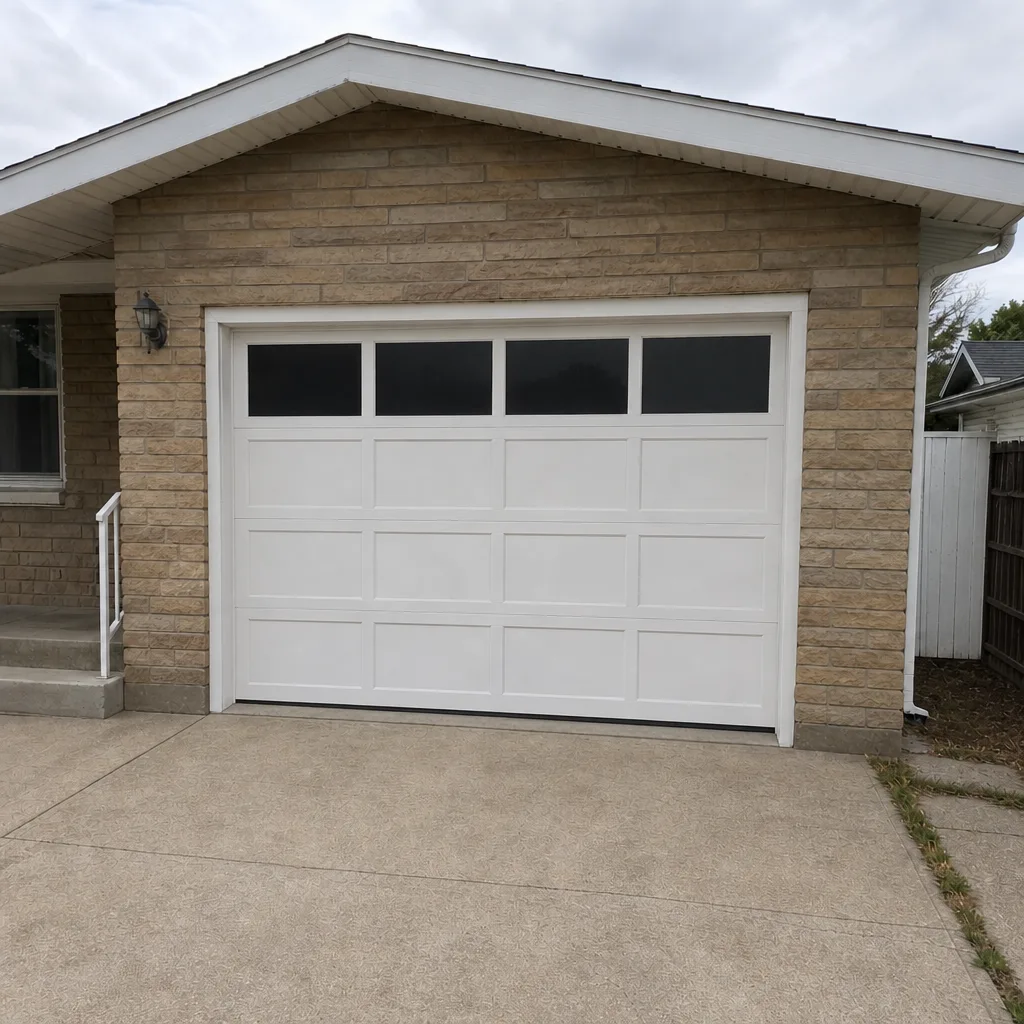
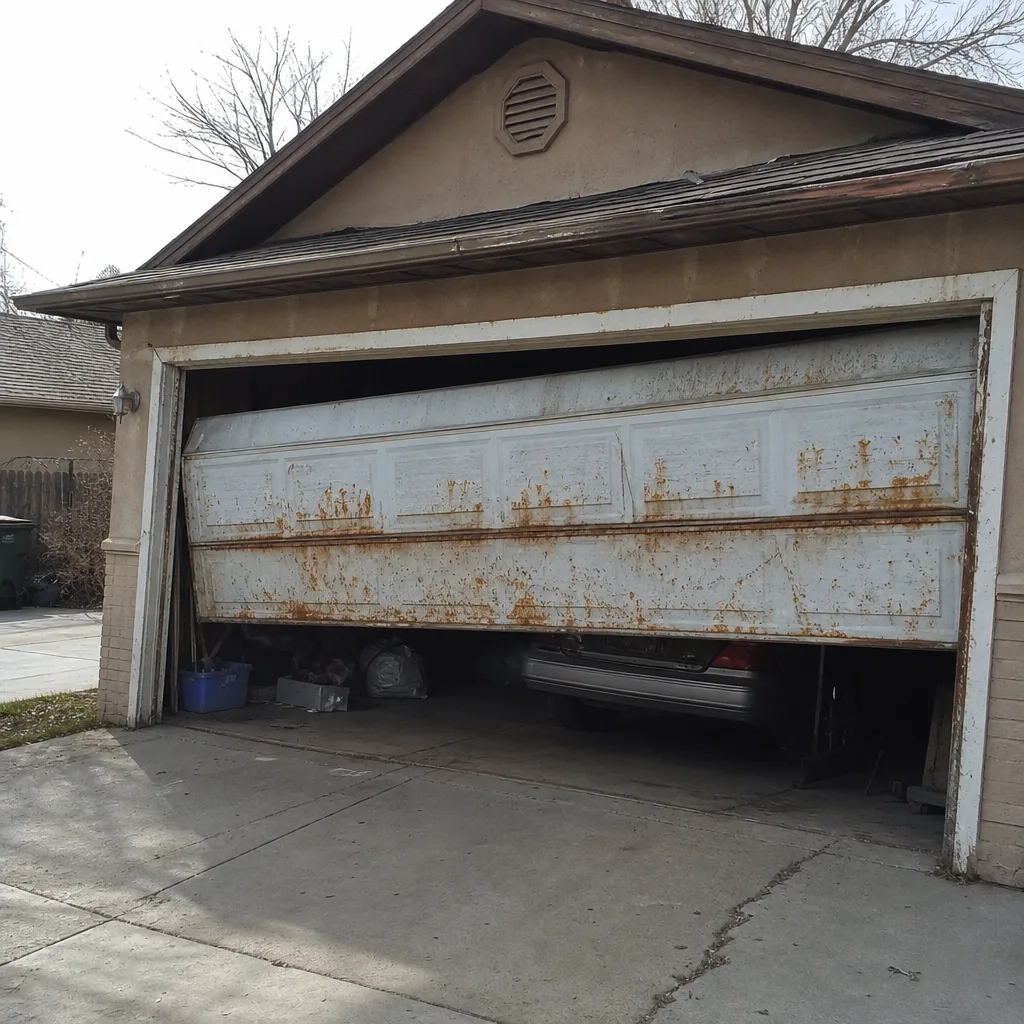
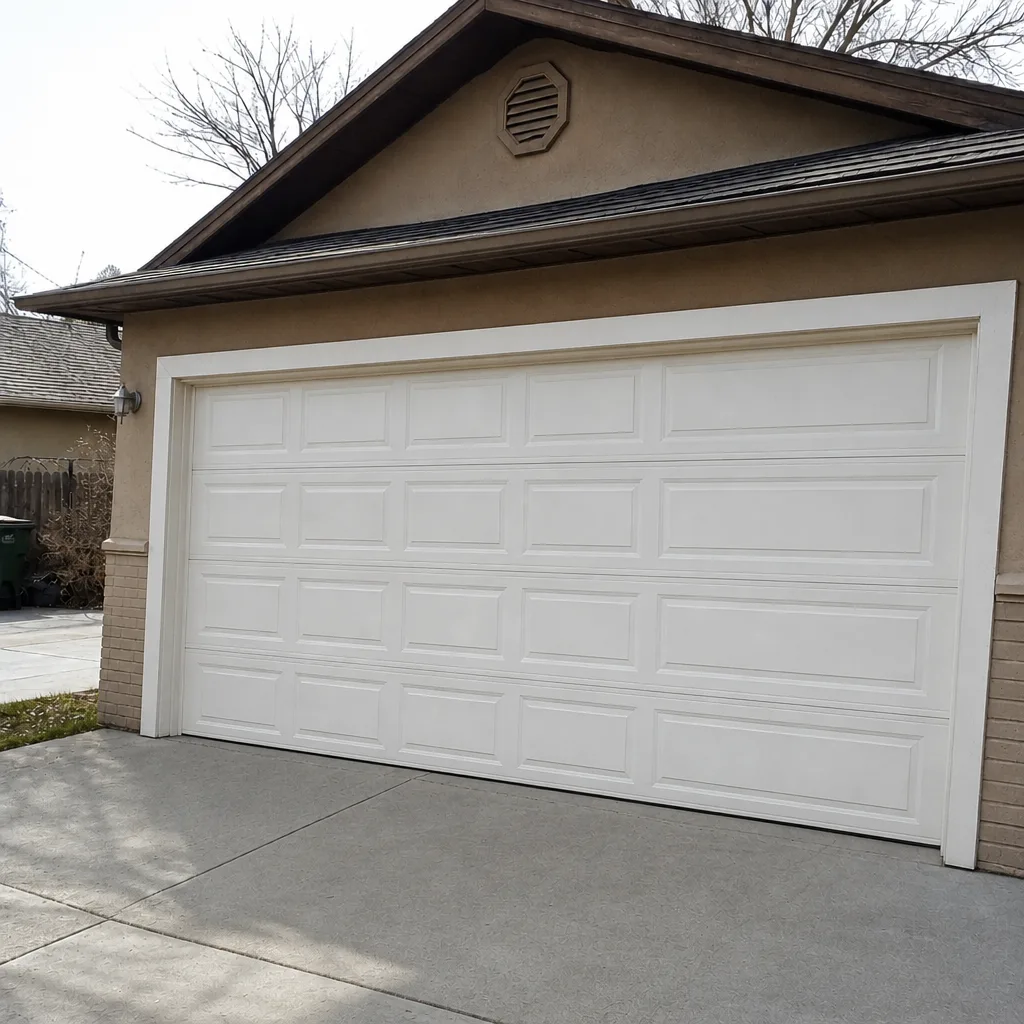
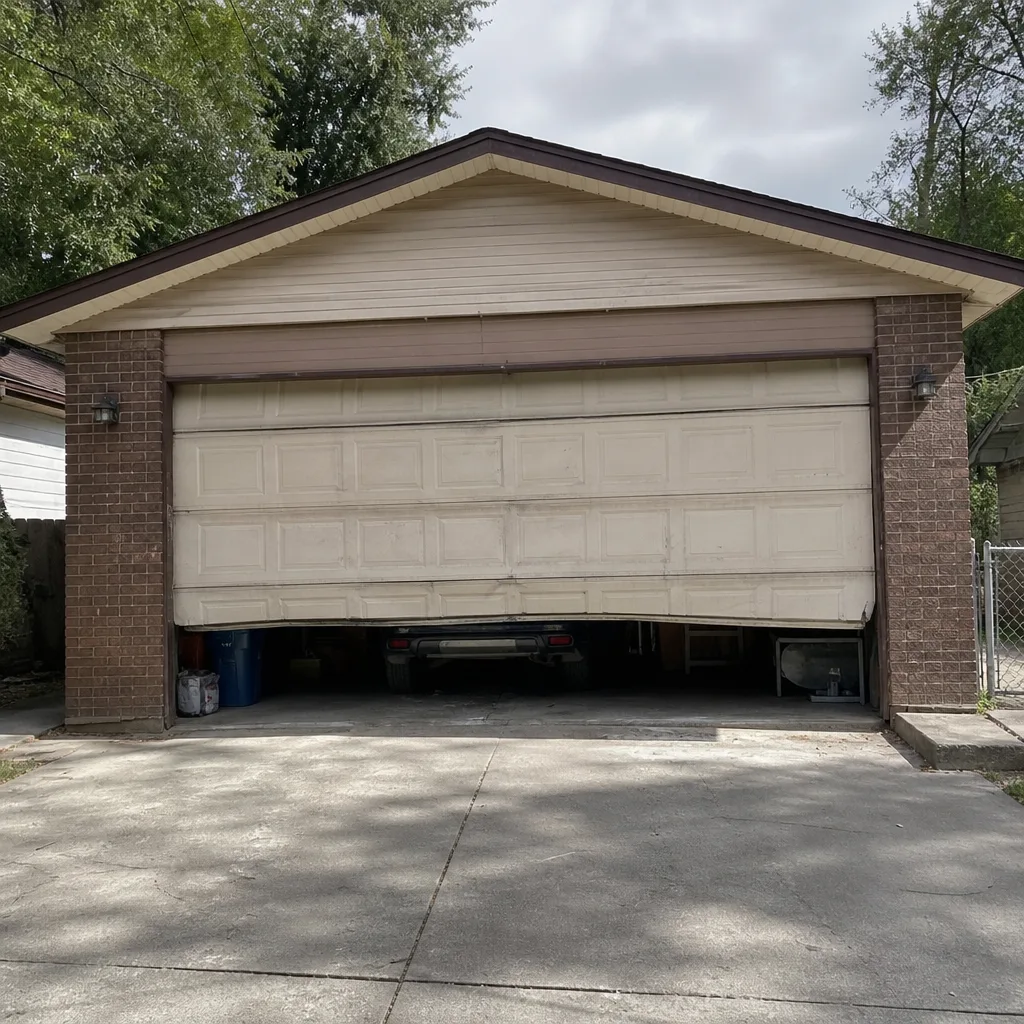
See the difference
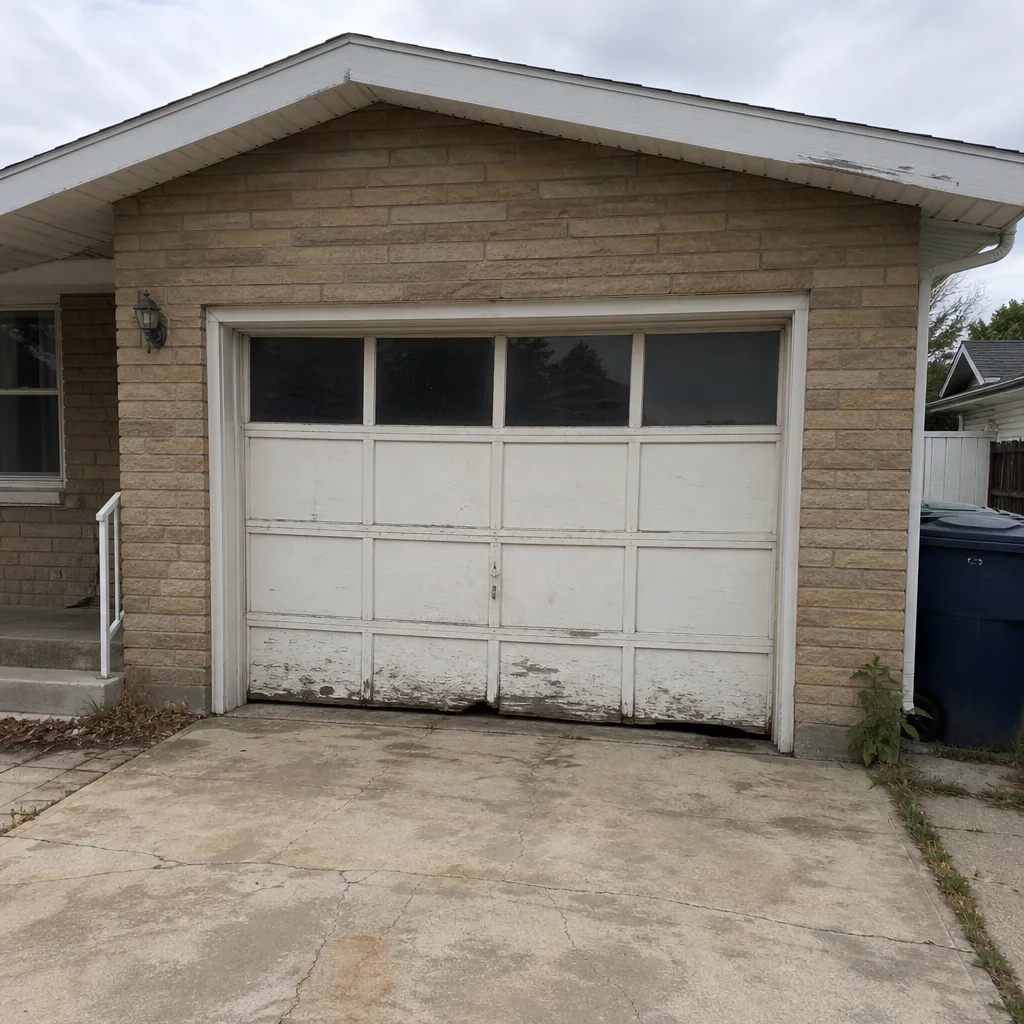 Before
 After
 Before
 After
 Before
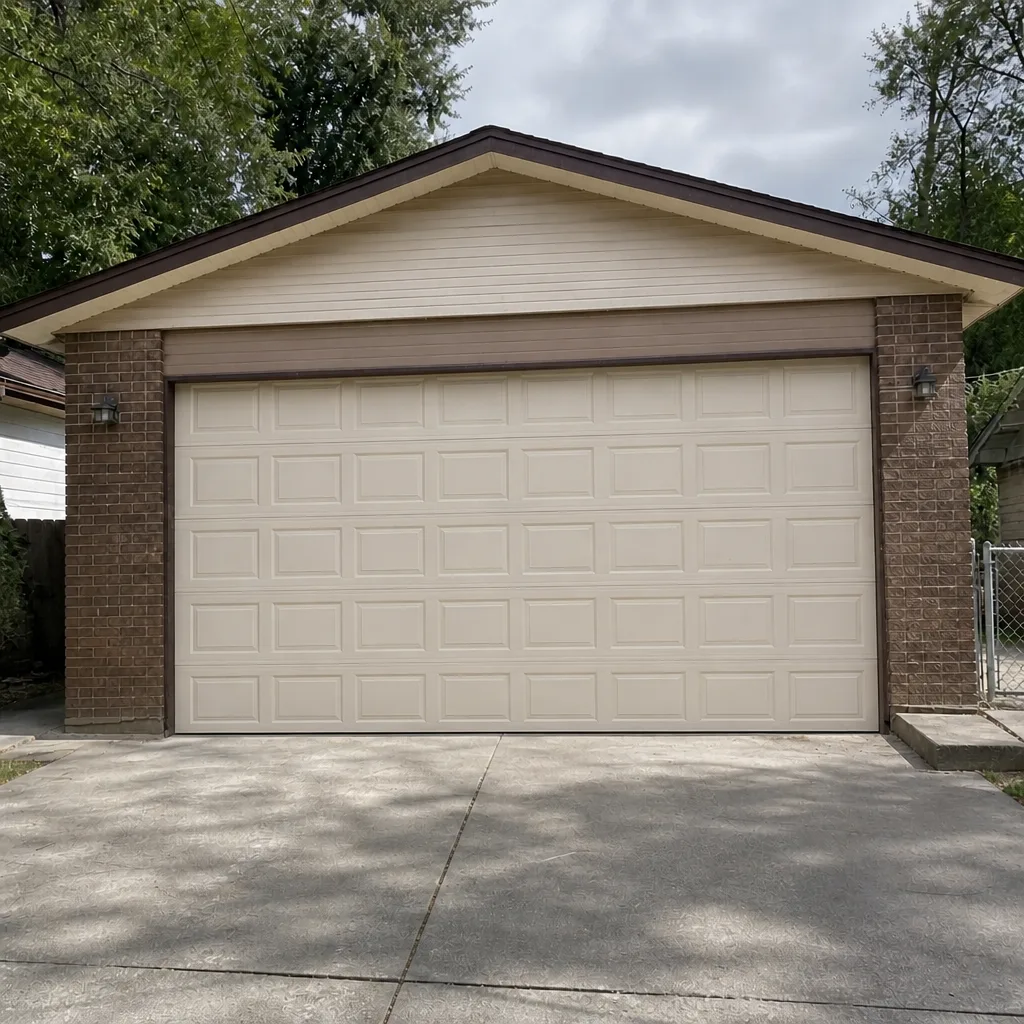 After
When to Call a Professional
Call a professional when a spring is broken, a cable is frayed or loose, or the door hangs unevenly. Call when the door reverses for no reason, when the opener runs but the door doesn’t move, or when the safety sensors won’t stay aligned. Call when you’re planning a new door and want to know whether your opener can handle it, and call before you make any change to the opening or framing. Those are the situations where a trained eye saves money and prevents injury. Provo Garage Door Service offers free estimates in Provo, so you can find out exactly where your door stands before you commit to anything. Call (877) 526-0732. We answer 24/7. Fast dispatch from 7am to 7pm, Sunday through Friday.
Frequently Asked Questions
Usually not. Most policies cover sudden damage from a covered event like a storm or a vehicle impact, but they don’t cover wear and tear, spring failure, or normal aging. Read your policy or call your agent before assuming, and get a written estimate so you know what the repair actually costs. Call (877) 526-0732 for an exact quote; estimates are free.
Most of the time, yes, but only after checking that the opener can lift the new door’s weight and that the drive system matches. A door of different size or material changes the load the opener carries. Have the opener assessed before the new door is installed, because retrofitting afterward costs more. Call (877) 526-0732 to schedule a free measure for a replacement.
A same-size swap in the same opening usually doesn’t require one, while any change to the opening, header, or framing does. Ask the Provo City building department for your address, since the answer depends on your specific project. We can give you a written scope of work so you know exactly what to describe when you call the city.
Installation is scheduled work and is typically completed in one to two days, depending on the door size and the condition of the opening. It’s not a same-day service call. We measure free, order the door, and give you a written price before any work starts. Call (877) 526-0732 to book a free measure.
The most common causes are misaligned safety sensors, a track obstruction, or a dirty eye lens on one of the sensors. When the opener reverses for no visible reason, the safety system is doing its job and shouldn’t be bypassed. We diagnose opener repair cases like this quickly. Call (877) 526-0732 to get it checked.
Same-day service is often available for repairs in Provo. We answer 24/7. Fast dispatch from 7am to 7pm, Sunday through Friday. If you’re calling outside dispatch hours, we’ll book you into the next opening. Call (877) 526-0732 and we’ll confirm timing for your address.
The Bottom Line
Your garage door is a system: panels, springs, tracks, rollers, seals, and an opener, all interdependent. Provo’s elevation and temperature swings make the seal and finish the first things to wear, and they make honest annual assessment more valuable here than in milder climates. Know which brands are on your door and your opener, because they’re made by different companies and deserve a specialist who handles both. Think about cost over the life of the door, not just at purchase. Get a free written estimate before any work starts, and never adjust a torsion spring yourself. Call (877) 526-0732 to find out where your door stands; the estimate is free and the price is quoted and agreed before any work begins.
Written by the team at Provo Garage Door Service.