
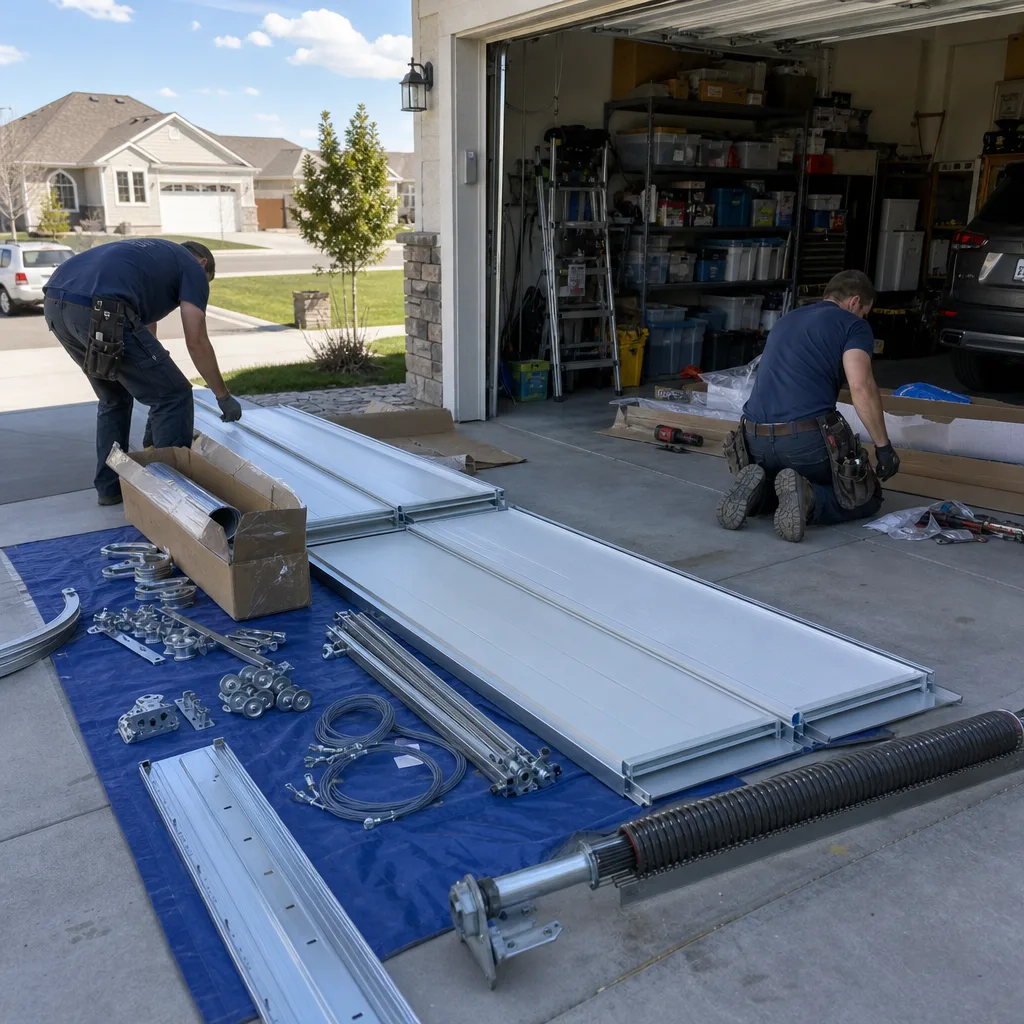
Last updated November 16, 2026
 Raised-panel steel
 Carriage house
 Modern flush
 Full-view glass
 LiftMaster openers
 Chamberlain openers
Full 25-point door and opener safety check with every visit - springs, cables, rollers, tracks, and your LiftMaster or Chamberlain opener included
You get a price before we start. It does not change when the pro arrives.
Get your free estimateGarage Door Repair Maintenance Schedule: What to Do and When
Most homeowners treat garage door maintenance like a single annual event: one checkup, then forget it until something breaks. That approach misses the real problem. A garage door is several systems wearing at different rates, and the interval that saves a four-hundred-pound torsion spring is not the interval that saves your opener motor. If your garage is the main way your family enters the house, you’re probably running more cycles than you think, and a spring rated for 10,000 cycles doesn’t last as long as the calendar suggests. This guide breaks the garage door into its parts and gives each one its own schedule, with the Provo climate factored in.
Quick Answer
Lubricate rollers, hinges and tracks monthly or every few hundred cycles; inspect springs, cables and weather seals every six months; and book a professional tune-up once a year before winter. The right schedule depends on how often your door runs, not just the date on the calendar. Track your cycle count in Provo and you’ll know which parts are close to replacement before they fail.
Styles & brands we work with
- Raised-panel steel
- Carriage house
- Modern flush
- Full-view glass
- LiftMaster openers
- Chamberlain openers
Table of Contents
- Why One Annual Checkup Isn’t Enough
- Monthly: What to Check and Lubricate
- Every Six Months: Springs, Cables and Seals
- Annually: The Deep Inspection and Tune-Up
- How to Track Your Cycle Count
- Provo Seasonal Adjustments: Cold Snaps and Summer Heat
- Three Steps That Extend Opener Motor Life
- What a Technician Checks That You Can’t
Why One Annual Checkup Isn’t Enough
Garage doors fail on their own timelines, and those timelines don’t line up with a yearly visit. Think of it as three clocks running at once. The spring is a cycle-count clock. Rollers are a friction-and-dirt clock. The opener motor is an electronics-and-heat clock. A single annual inspection glances at all three but catches none of them at the right moment.
A standard torsion spring is rated for about 10,000 cycles. One cycle is one open-and-close. In a Provo household where the garage is the primary entry and exit point, it’s easy to run four to six cycles a day between coming and going, kids on bikes, and the trash. At five a day, 10,000 cycles arrives in roughly five and a half years. At six a day, it’s closer to four and a half. Many homeowners assume a spring will last a decade because that’s what they’ve heard, and then it snaps on a Tuesday morning with no warning.
Rollers and hinges have their own clock, driven by dust, grit and the loss of lubrication rather than raw cycles. And the opener motor runs on a fourth clock that responds to heat, weight and how hard the door is fighting its track. Each part rewards a different maintenance rhythm. Treat them as one system on one schedule and you’ll always be reacting to failures instead of preventing them. The sections below give each part the interval it actually needs.
Monthly: What to Check and Lubricate
Monthly work is quick and mostly about friction. Fifteen minutes once a month keeps the small moving parts from grinding themselves down and keeps the door running quietly. It also gives you an early warning system for bigger problems.
- Listen before you lubricate. Run the door and listen. A grinding or squealing sound usually points to dry rollers or hinges. A popping sound is different and worth noting – see the safety note below.
- Lubricate the rollers, hinges and bearing plates. Use a garage-door-rated lubricant, not general-purpose oil. A few drops at each hinge pin and each roller bearing is enough.
- Wipe the tracks, don’t grease them. Run your hand along the inside of each track with a damp rag to clear grit. Tracks should stay clean and dry, not greasy; lubricant in the tracks traps dust into a paste that drags on the rollers.
- Check the balance. Disconnect the opener with the manual release, lift the door halfway, and let go. A balanced door holds its position. One that drops or rises on its own is fighting a failing spring or cable.
- Test the safety reverse. Place a roll of paper towels under the door and close it. The door should reverse on contact. Test the photo-eye sensors the same way by walking through the beam while the door is closing.
In Provo, monthly lubrication matters more than in wetter climates because dry air and dust pull lubricant off the metal faster. A hinge pin that stays greased for a year in humid conditions may go dry in a few months here. The fix is cheap and takes minutes; the cost of skipping it is worn rollers and strained opener motors. If any of this feels beyond a quick visual check, a garage door repair visit can cover it in the same call as any other work.
Safety note on springs and cables
Don’t touch the spring, the cables or the brackets that hold them under tension. High-tension springs and cables store enough force to cause serious injury, and adjusting them requires trained hands and proper tools. Your monthly job is to look and listen for trouble, not to work on those parts. If you see a gap in the spring, a frayed cable or hear repeated popping, stop using the door and call a professional.
Every Six Months: Springs, Cables and Seals
Twice a year, go deeper than the monthly once-over. This is the interval where you look at the parts that wear slowly and fail suddenly: the torsion spring, the lift cables, the rollers you can’t easily see, and the weather seal along the bottom and sides. Each spring and fall is a natural reminder for a Provo homeowner.
- Inspect the torsion spring. Look for a visible gap, rust pitting, or a stretched, sagging profile. Any of those means the spring is near the end of its life and should be replaced before it breaks. A broken spring usually leaves the door locked shut, so catching it early is the whole point.
- Check the cables. Look for fraying, kinks or slack. Cables that are visibly worn should be replaced as a pair. Like springs, one failing cable puts dangerous tension on the other.
- Examine the rollers. Nylon rollers wear slowly but can crack; steel rollers can flat-spot. Spin each roller by hand where you can reach it. A rough or wobbly roller adds drag and noise to every cycle.
- Look at the weather seal. The rubber or vinyl seal along the bottom edge and the sides is what keeps drafts, dust and pests out. Cracked or hardened seals let water and cold air in and should be replaced. This is where a south-facing door in Provo loses the race first – direct UV exposure hardens and cracks the seal on the sunny side of the house well before the shaded door next door shows any wear.
- Check the door panels and hardware. Tighten any loose bolts on hinges and brackets. Look at the panels for dents, rust or separation. On a Provo Garage Door Service tune-up, panel condition across brands like Clopay and Amarr is part of the inspection, since panel damage affects balance and seal.
Six months is also the right interval to recheck the balance test. A door that held its position in January may slowly lose balance by July as the spring tires. Marking the result each time builds a picture of how fast your spring is aging.
Annually: The Deep Inspection and Tune-Up
Once a year, ideally in early fall before the cold settles in, it’s worth a professional tune-up. A pro has the tools, the ladder and the training to check the parts a homeowner can only look at from the ground. This is also the moment to catch anything that’s drifted out of adjustment over the year.
The annual visit should cover:
- Spring tension and cycle-count estimate to predict replacement timing.
- Cable inspection along the full length, including the drums.
- Track alignment and level, which affects how hard the opener has to work.
- Roller and hinge condition, with replacement of any that are worn.
- Opener force, travel limits and safety reverse test.
- Weather seal condition and adjustment of the door’s closing position.
An annual tune-up isn’t a requirement in the way a car’s inspection is – most cities in Utah don’t mandate garage door maintenance – but it’s the cheapest way to avoid a surprise breakdown. We’ve seen doors that ran for years without a sound and then failed with a broken spring, and the cost of that repair is always higher when the door is stuck shut and it’s an emergency. A scheduled tune-up keeps the small adjustments from becoming big repairs.
One thing an annual tune-up won’t fix: a worn opener motor or a failing circuit board. Those are electronics problems, and that’s a separate trade from tightening hinges. Opener repair is a distinct specialty, and it’s worth knowing the difference so you call the right help. In Provo, our team handles that as its own service through garage door opener repair, so the door and the motor get looked at together.
How to Track Your Cycle Count
A cycle count turns guesswork into a schedule. Every open-and-close is one cycle, and most parts are designed for a rated number of them. Springs are usually rated for about 10,000 cycles; higher-cycle springs are available. If you know your daily cycles, you know roughly when your spring is due for replacement, and you can plan for it instead of getting caught.
Estimating your household’s daily cycles is simple:
- Count each time the door opens and each time it closes in a normal day. One car leaving in the morning and returning in the evening is four cycles (two openings, two closings).
- Add trips for kids, deliveries, trash, yard work, and any errands on foot.
- Multiply by the number of cars. A two-car household where both vehicles use the garage daily can run eight or more cycles before anyone leaves for work.
- Add a little for the odd day of heavy use: a move, a party, a remodel delivery.
Once you have a number, divide 10,000 by your daily count. That’s the ballpark life of a standard spring in days. At five cycles a day, it’s roughly 2,000 days, or about five and a half years. At eight cycles a day, it drops to about three and a half years. Write the install date on the spring housing or a note on the inside of the garage wall so the next count starts from the right place.
This same math applies to the opener motor, which has a rated duty cycle too. High-cycle days shorten the life of the whole system. If your door is in a high-use household, tracking cycles is the single most useful maintenance habit you can build. It’s also the reason a Provo family that treats the garage as the front door can go through a spring faster than a couple with two cars who rarely use theirs.
Provo Seasonal Adjustments: Cold Snaps and Summer Heat
Provo’s climate puts real stress on a garage door, and the stress varies by season. Cold winter mornings harden lubricant and stiffen the door, while summer heat softens seals and bakes the sunny side of the door. The maintenance that serves you in both seasons isn’t identical.
Winter: January cold snaps
Overnight lows in Provo routinely dip well below freezing, and the first cold snap of the year is when a tired spring is most likely to snap. Metal contracts and lubricant thickens, so the door needs more force to move. A few adjustments help:
- Switch to a cold-friendly lubricant or a lighter application of the one you use, so it doesn’t stiffen in the cold.
- Test the door’s balance before the coldest weeks arrive, not after a failure.
- Make sure the bottom seal isn’t frozen to the floor, which puts extra load on the opener on the first open of the morning.
- Listen for new squeals in the cold – they signal a dry roller or hinge that will get worse before spring.
Summer: July heat and UV
Hot summer days soften and dry the weather seals, especially on a south-facing door that gets full afternoon sun. That door’s seals can degrade years before the door on the shaded side of the house. In July heat, check seals for cracking and stiffness more often, and keep the tracks clean of grit that summer dust blows in. The door’s metal panels expand slightly in heat, so a door that was perfectly balanced in winter may sit a little differently by high summer.
Spring and fall are the shoulder seasons when most other maintenance falls into place, so align your semi-annual checks with them. That gives you the best weather to work in and a chance to catch winter problems before they start.
Three Steps That Extend Opener Motor Life
Most maintenance guides cover the door and skip the opener. The opener is a motorized drive system with its own electrical and mechanical components, and it has its own wear. Three steps do the most to extend its life.
- Keep the door balanced so the motor works less. An out-of-balance door makes the opener pull or push harder than it should on every cycle. A balanced door is the single biggest gift you can give an opener. Test it monthly and fix balance issues promptly.
- Set the force and travel limits correctly. The opener has an adjustable force setting and limits for how far it travels to open and close. If these are set too aggressively, the motor strains on every cycle and the door can slam or fail to close. Check them at the annual tune-up, and have a technician adjust them if the door has changed weight or a spring was replaced.
- Keep the opener’s electronics cool and clean. Heat shortens the life of the opener’s motor and circuit board. Make sure the opener motor housing has airflow, isn’t buried under stored boxes, and its vents aren’t caked in dust. In a hot Provo July, a venting opener over a hot garage makes a real difference.
If your opener is a Genie, LiftMaster, Chamberlain or Craftsman unit, these steps apply the same way. Older openers with chain drives can also be checked for chain tension and lubrication, and screw drives for wear on the screw. Belt drives are quieter and need less care but still benefit from correct force settings. When an opener is beyond adjustment, our team can tell you whether repair makes sense or whether a replacement is the better call.
What a Technician Checks That You Can’t
A homeowner with a ladder and a wrench can do a lot of the monthly and semi-annual work. But some checks need tools and training most people don’t have, and knowing which ones those are helps you decide when a professional visit adds real value.
- Spring tension and cycle-count estimation. A technician can gauge how much life is left in a spring from its profile, age and the door’s balance, and can tell you when to replace it before it fails. Setting tension on a new spring is work that requires proper winding bars and training.
- Cable inspection under tension. Cables carry the full weight of the door. A technician can inspect for fraying along the length and check the drums and brackets, which homeowners can’t safely do under load.
- Opener force and travel calibration. Adjusting the opener’s force and limits correctly needs a feel for how the door should move, plus the right test to confirm the safety reverse still works after the adjustment.
- Track alignment and level. A track that’s off by a fraction of an inch creates drag and noise that’s hard to diagnose from the ground. A technician checks plumb and level along the full run.
- Hinge and roller replacement. Replacing worn hinges and rollers is straightforward but requires matching parts to the door brand. We work on Clopay and Wayne Dalton doors, among others, and know which replacement parts fit correctly.
The line is simple: if the job involves the spring, the cables, or electrical work inside the opener, it’s a professional job. If it’s lubricating a hinge or wiping a track, you can do it yourself. Everything in between is a judgment call, and we’re happy to talk it through before you book anything. That’s a conversation, not a sales pitch.
Common Mistakes to Avoid
- Greasing the tracks. It seems logical, but lubricant in the tracks collects dust and grit into a paste that drags on the rollers. Wipe tracks clean and dry; lubricate the rollers and hinges instead.
- Ignoring a noisy door. A squeak or grind is the door telling you a part is dry or worn. In Provo’s dry air, parts go dry faster than you’d expect, so a noise that started small can become a worn roller within a season.
- Replacing one spring when the pair is worn. If one of a matched pair of springs breaks, the other usually has the same wear. Replacing both at once avoids a second breakdown soon after.
- Adjusting the spring or cables yourself. High-tension springs and cables can cause serious injury. Leave that work to a trained technician.
- Skipping the safety reverse test. The safety reverse and photo-eye sensors are the door’s main safety features. Test them monthly, and don’t ignore a door that fails to reverse on contact.
- Waiting for a failure before booking a tune-up. A spring on the edge of breaking gives little warning. Scheduling a tune-up before the winter cold snap is the cheapest way to avoid a stuck door on a freezing morning.
- Skipping the seal on the sunny side. A south-facing door in Provo takes far more UV than a shaded one. Check its seals more often than the door on the north side of the house.
See the difference
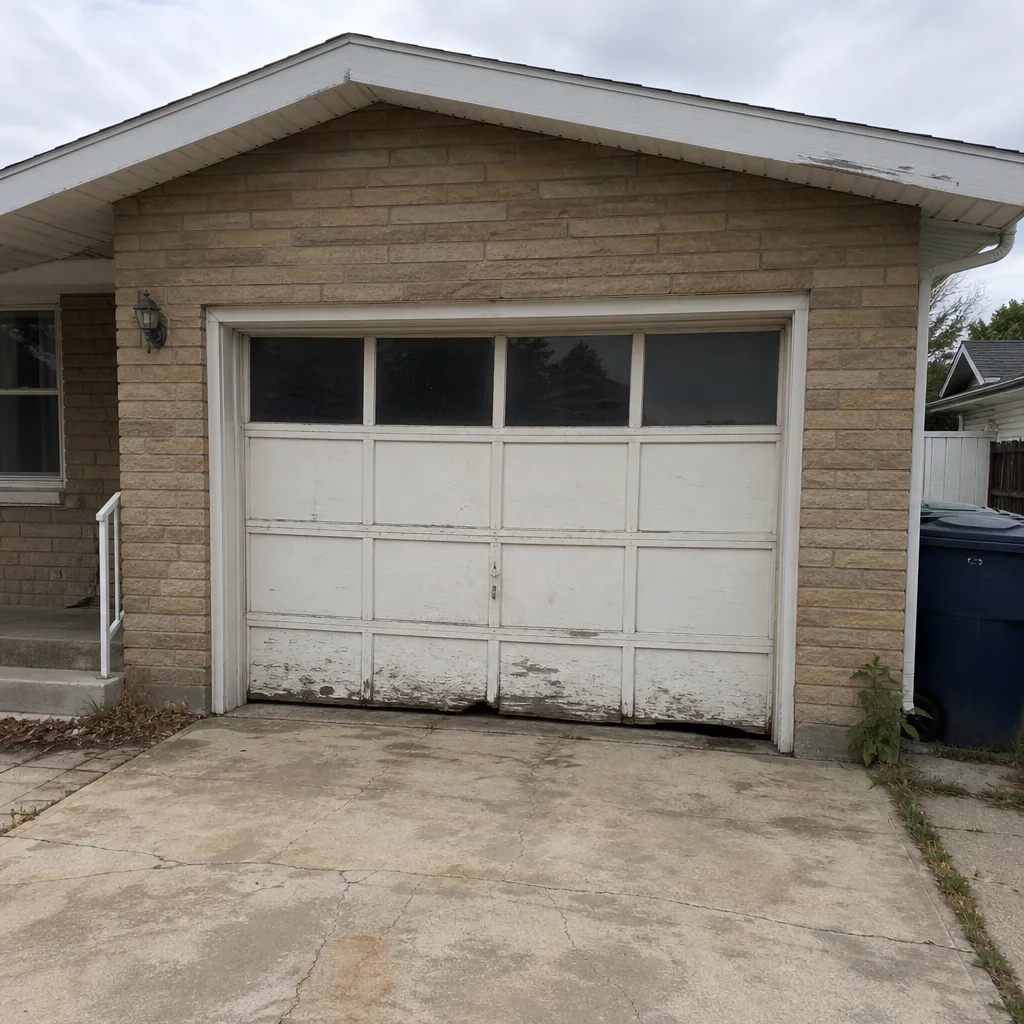 Before
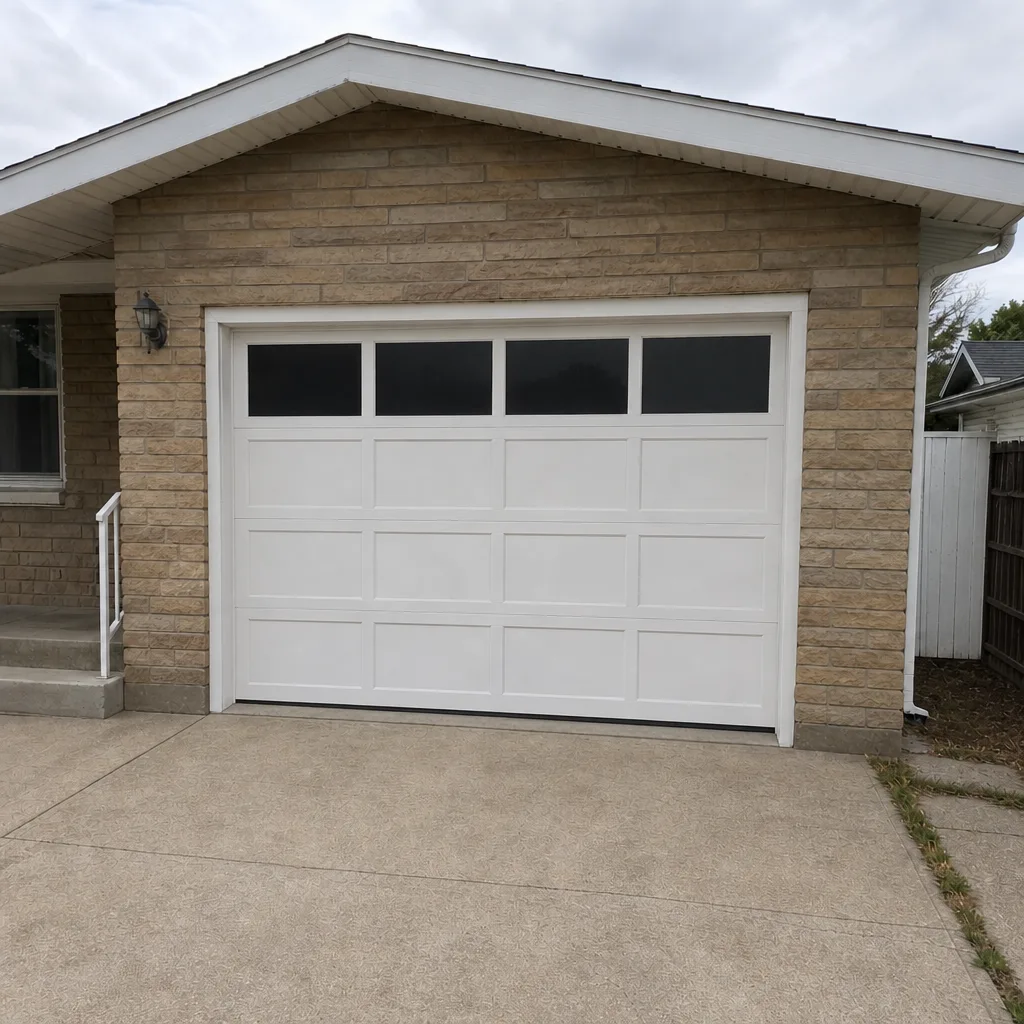 After
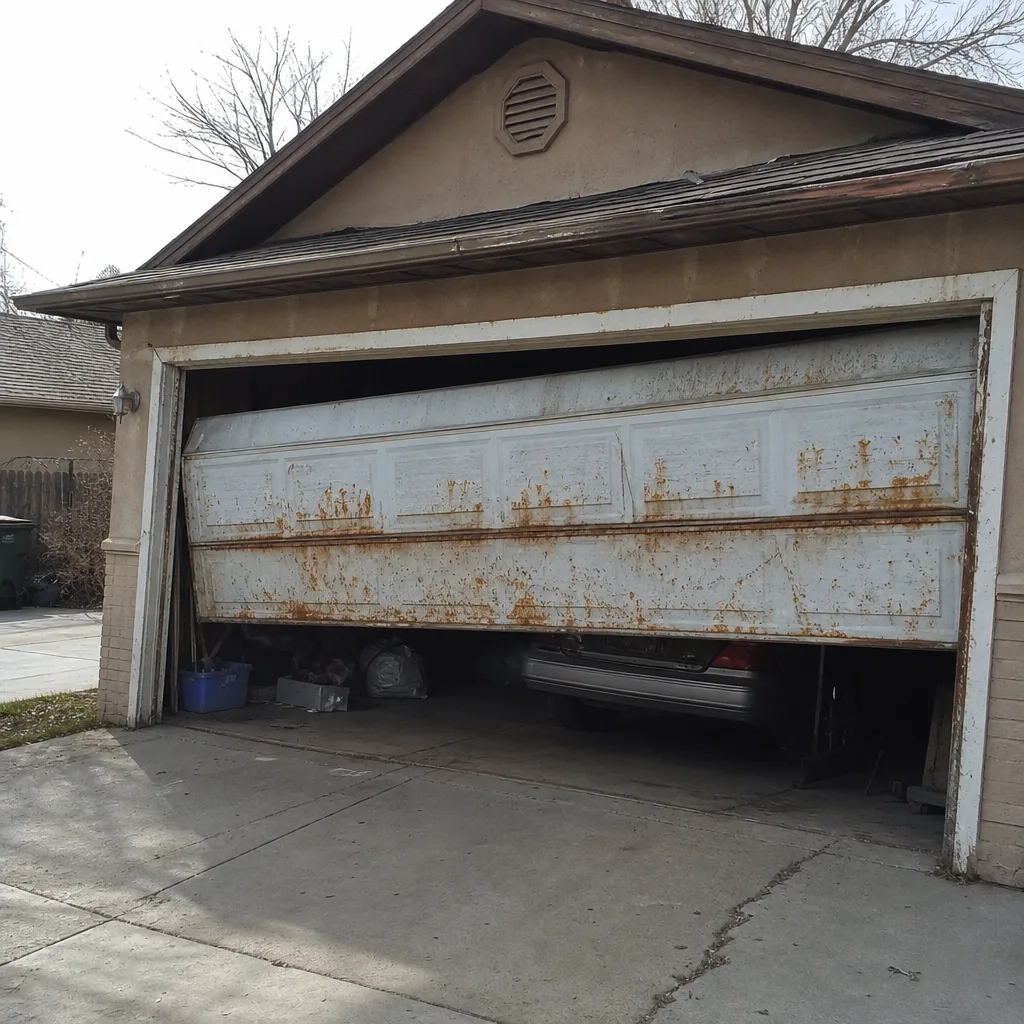 Before
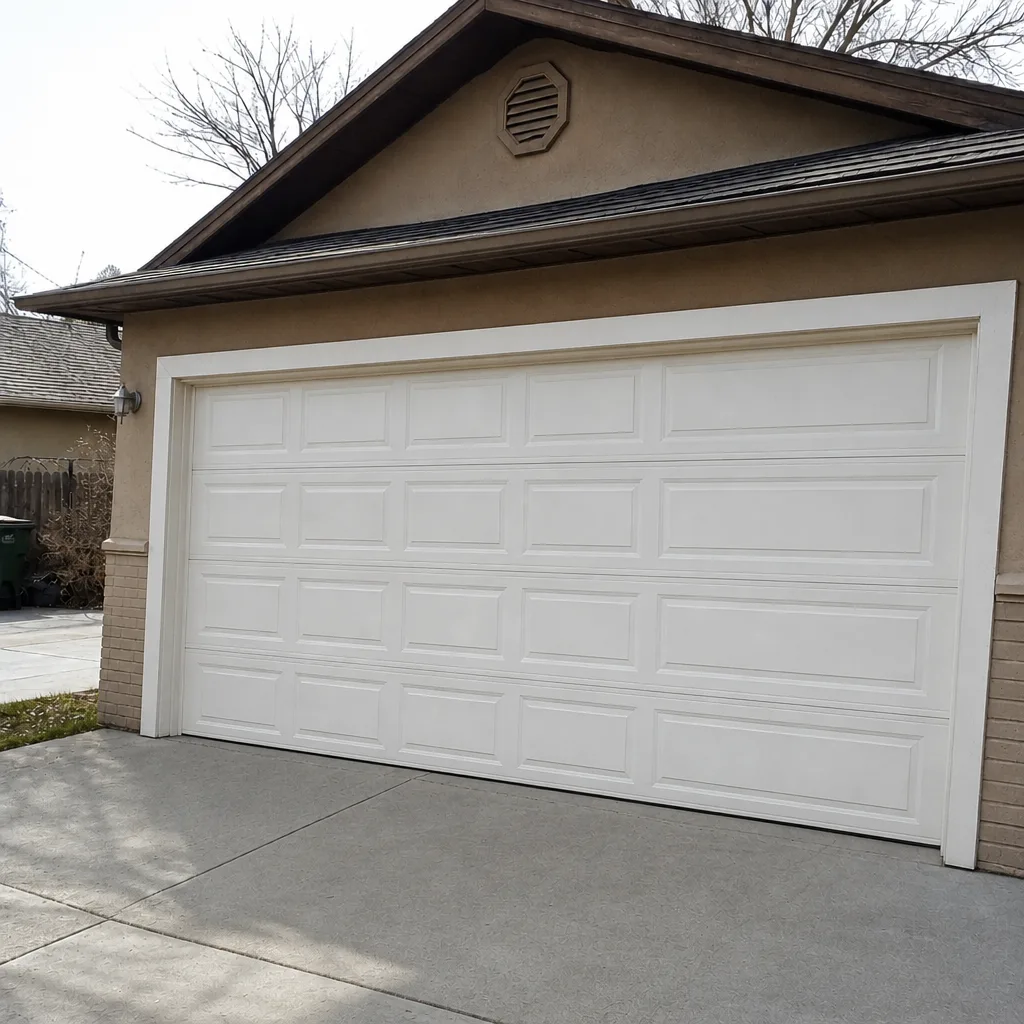 After
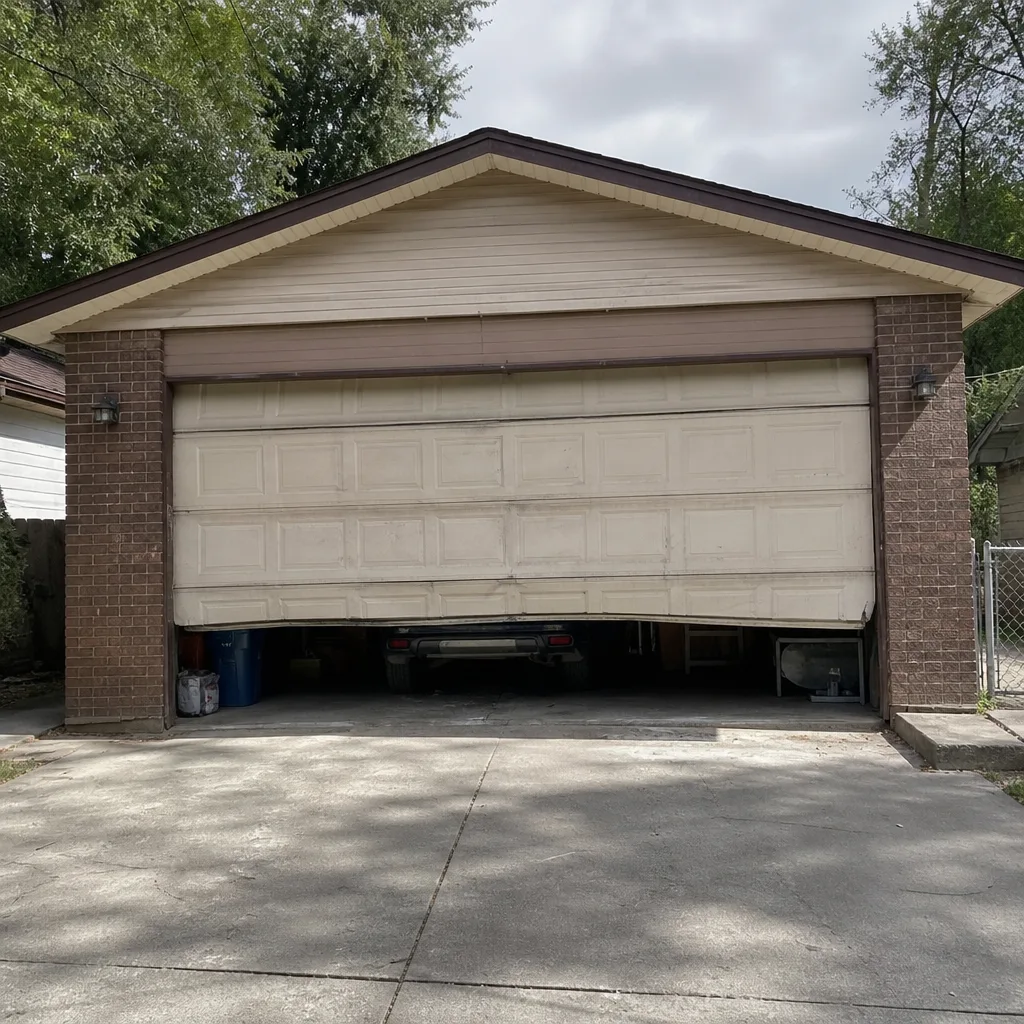 Before
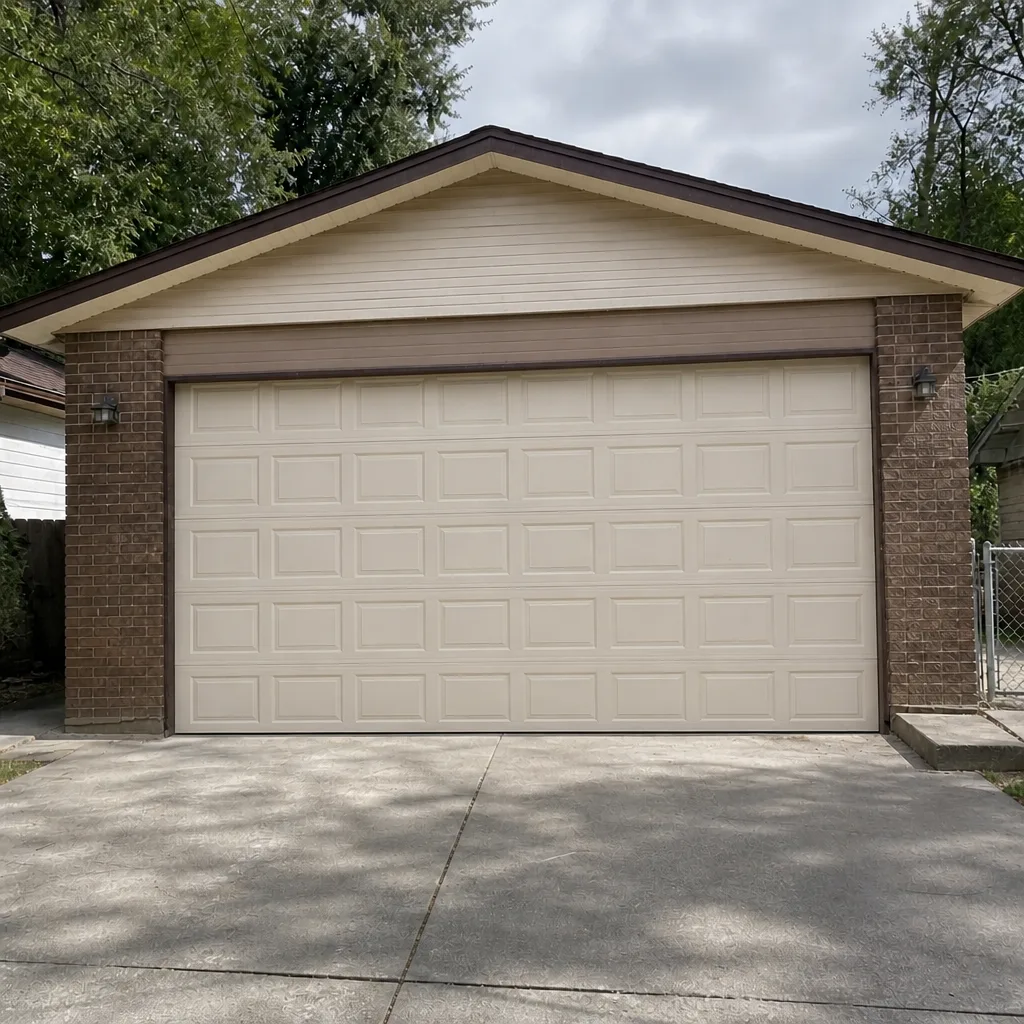 After
When to Call a Professional
Some problems need a trained professional, and a few need one right away. Call us if the door won’t open or close, if you hear a loud pop and the door is stuck, if the spring is visibly broken or has a gap, if a cable is frayed or slack, or if the opener runs but the door doesn’t move. Also call if the door is out of balance, if the safety reverse fails, or if you’ve noticed the door getting heavier or noisier over a few weeks. These are signs that a spring, cable or opener is near failure, and catching them early prevents a breakdown. Provo Garage Door Service offers free estimates in Provo – call (877) 526-0732. We answer 24/7. Fast dispatch from 7am to 7pm, Sunday through Friday. For a planned tune-up or a repair that isn’t urgent, we’ll schedule a visit and give you a written price before any work starts.
Frequently Asked Questions
Once a year for a professional tune-up, with monthly lubrication and semi-annual spring and seal checks in between. Provo’s dry air and cold winters mean lubricant wears off faster, so monthly lubrication matters more here than in a wetter climate. Call (877) 526-0732 to schedule a tune-up with a free estimate.
You can’t see a break coming with certainty, but you can estimate it from cycle count. A standard spring is rated for about 10,000 cycles, which for a busy Provo household can be used up in roughly four to six years. A visible gap, rust pitting or a door that won’t hold its balance all point to a spring near the end of its life. Call (877) 526-0732 for an exact assessment.
You can lightly lubricate the spring surface and wipe the tracks clean, but don’t adjust the spring’s tension or touch the cables. The coil and the cables are under dangerous tension and should only be worked on by a trained technician. Call (877) 526-0732 if you’re unsure what’s safe to touch.
Cold hardens lubricant and contracts the metal, so the door needs more force to move and dry rollers and hinges squeal. Switching to a cold-friendly lubricant and keeping rollers and hinges greased before the cold settles in helps a lot. If the noise comes with a popping sound, stop using the door and call (877) 526-0732.
It depends on use, but keeping the door balanced, setting the force and travel limits correctly, and keeping the motor housing cool and clean all extend its life. Most opener problems show up as the door reversing unexpectedly or the motor straining, and those are often fixable with a diagnostic. Call (877) 526-0732 for opener repair.
Yes, once a year is worth it. Monthly checks catch friction problems, but a technician can inspect springs and cables under tension, calibrate opener force and travel, and check track alignment along the full run. These are checks most homeowners can’t safely do. Call (877) 526-0732 for a free estimate on a tune-up.
The Bottom Line
A garage door is several parts wearing on different timelines: the spring on a cycle count, rollers on a friction clock, the opener on a heat and electronics clock. Match each part to its own schedule and you stop reacting to failures. Lubricate monthly, inspect springs and seals every six months, and book a professional tune-up annually before the cold. Track your cycle count and you’ll know when your spring is due. For anything involving springs, cables or opener electronics, call the professionals. Provo Garage Door Service offers free estimates in Provo – call (877) 526-0732 and we’ll help you plan the next visit.
Written by the team at Provo Garage Door Service.