
Last updated November 16, 2026
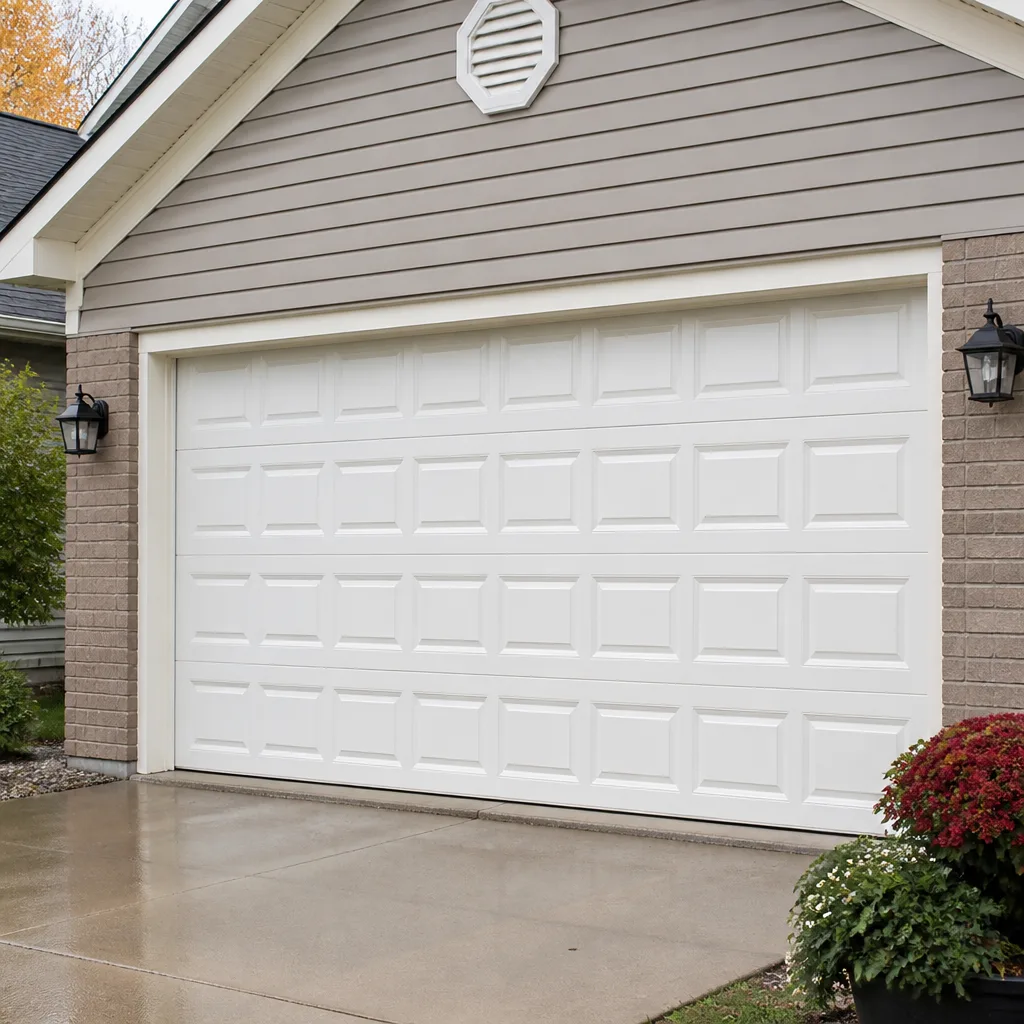 Raised-panel steel
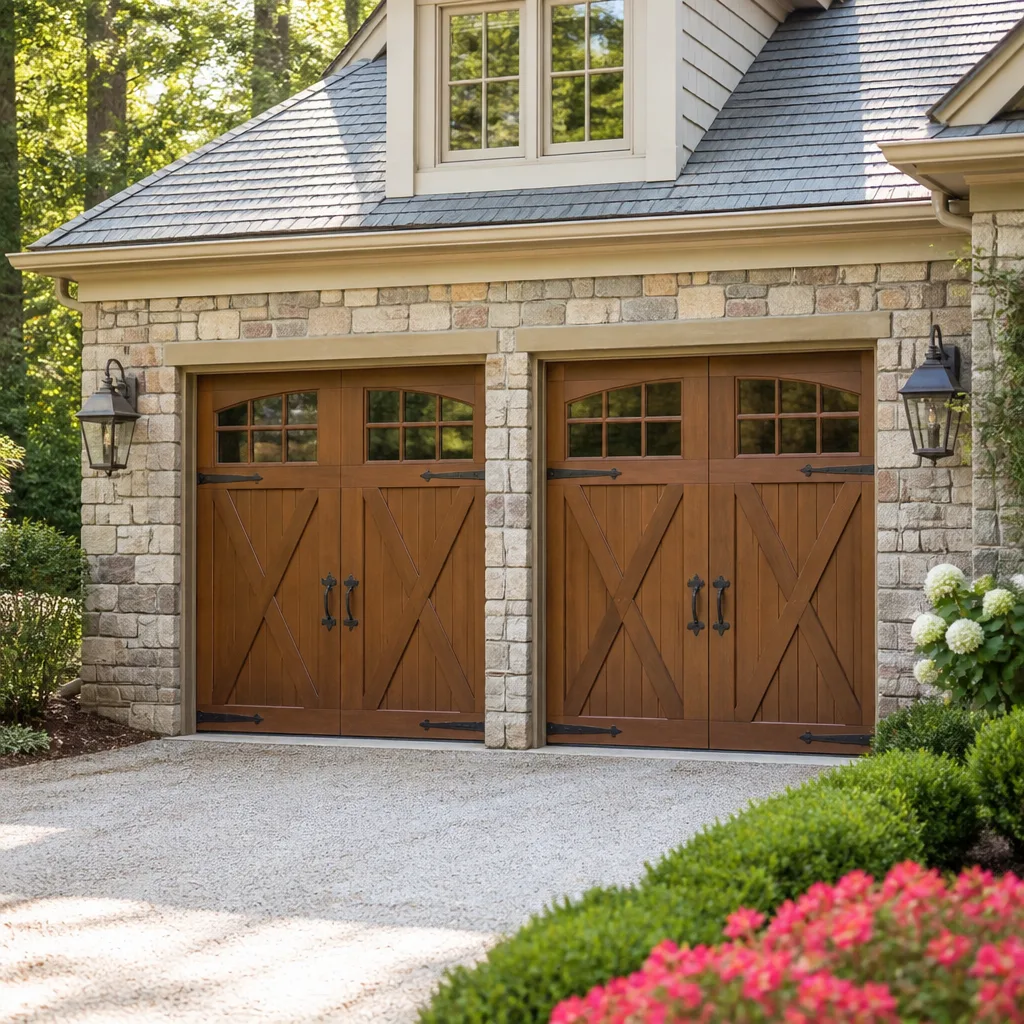 Carriage house
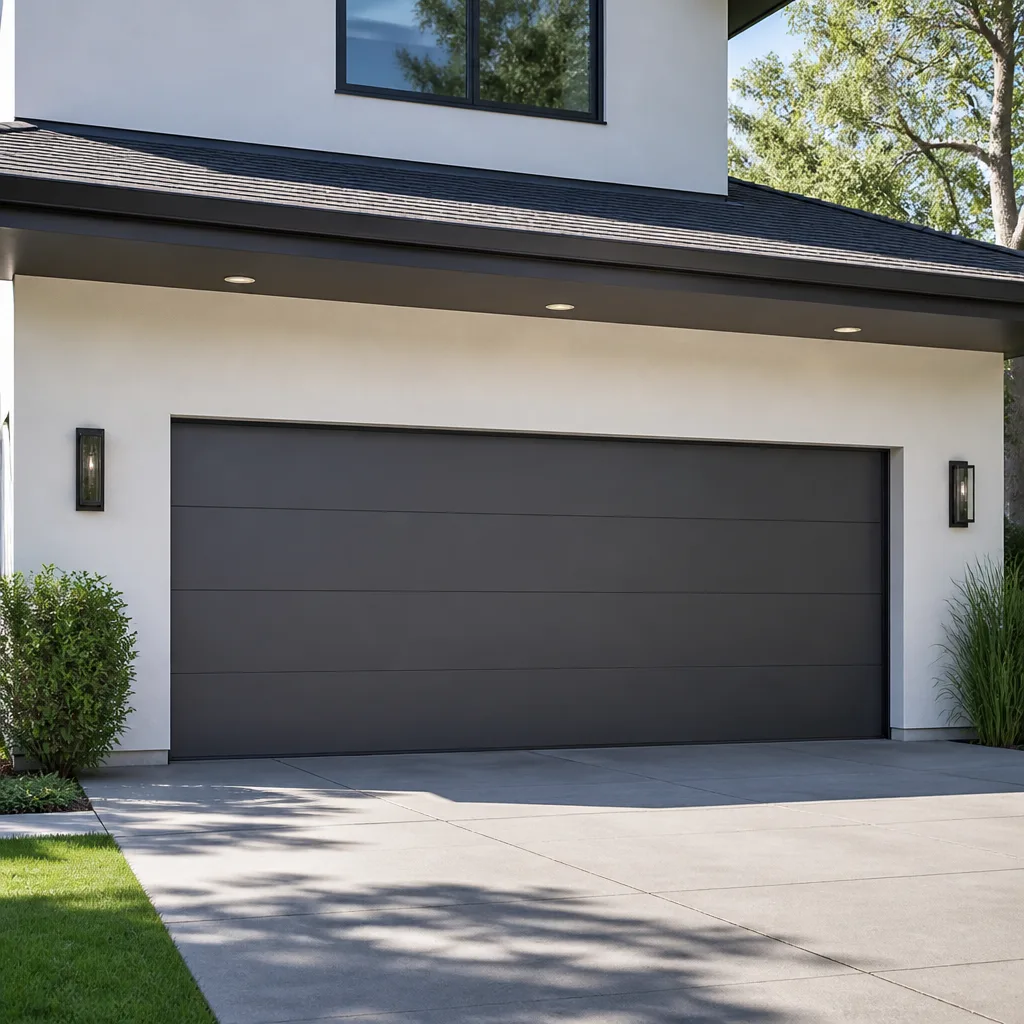 Modern flush
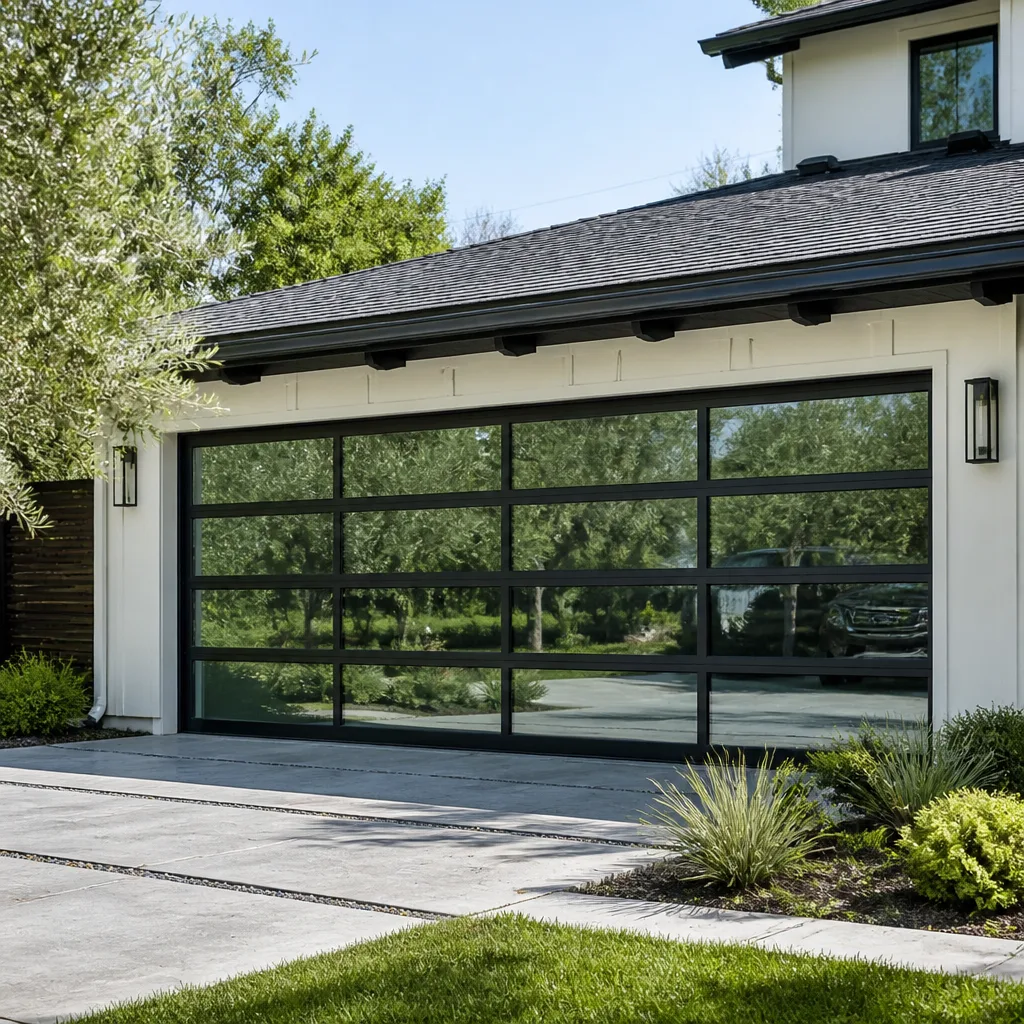 Full-view glass
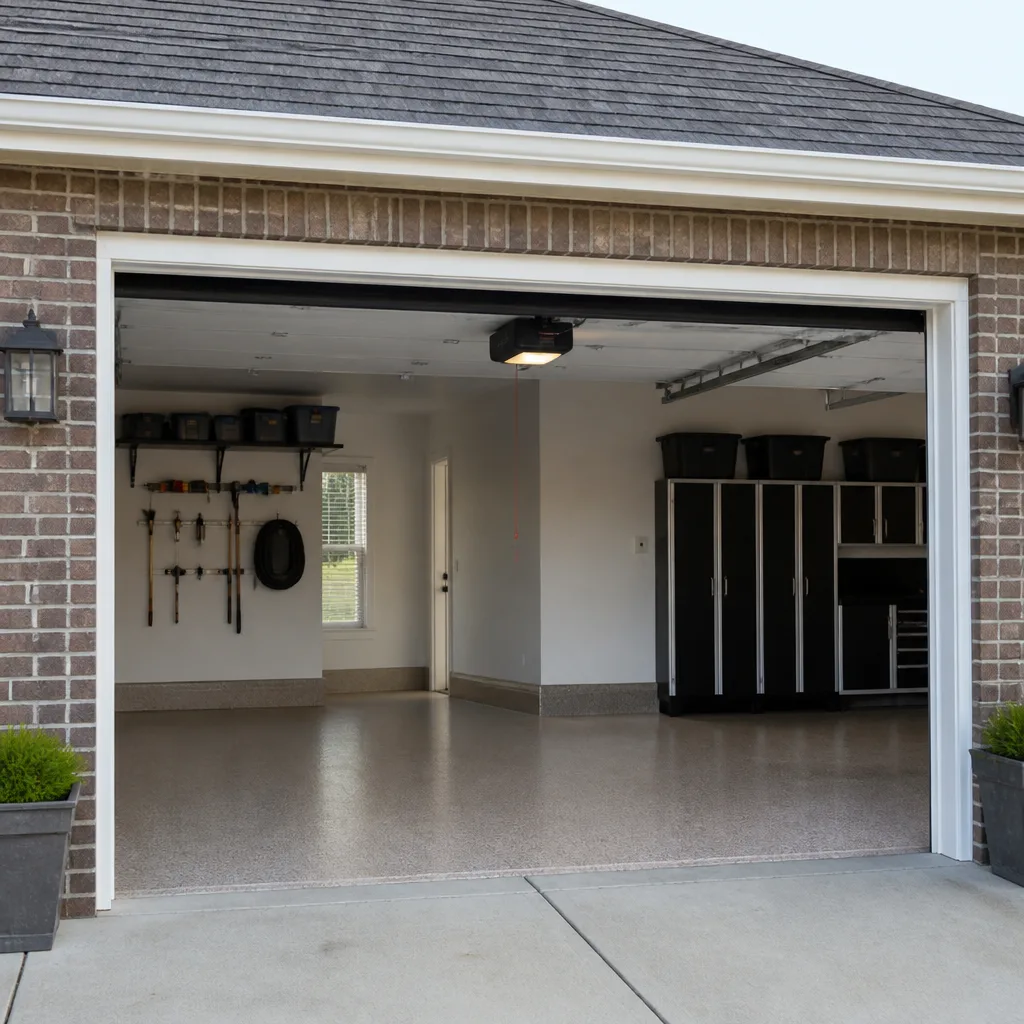 LiftMaster openers
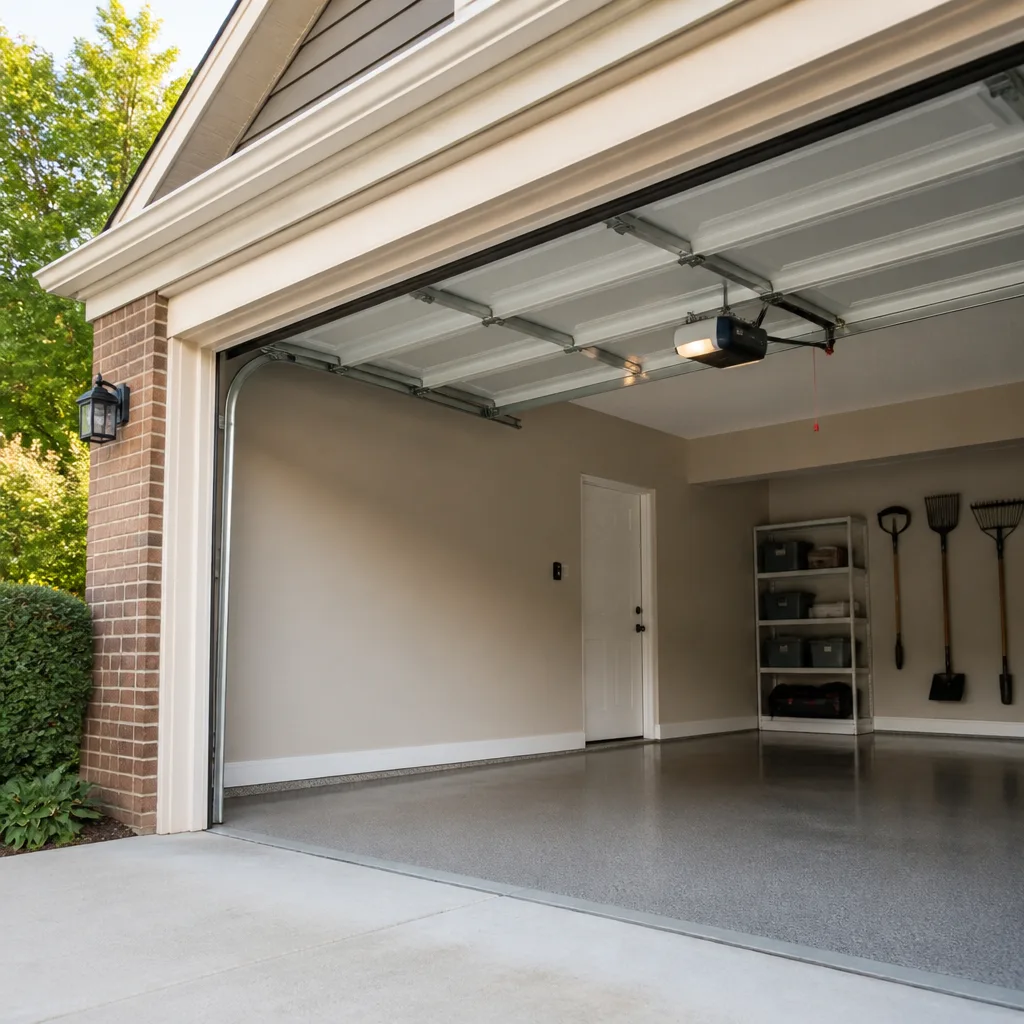 Chamberlain openers
Full 25-point door and opener safety check with every visit - springs, cables, rollers, tracks, and your LiftMaster or Chamberlain opener included
You get a price before we start. It does not change when the pro arrives.
Get your free estimateGarage Door Emergency Preparedness Guide for Provo Homes
Most garage door emergencies in Provo aren’t really about the door. They’re about the moment right after the door stops working, when you’re standing in the garage in your coat, pulling on a handle that won’t move, trying to remember where the release cord is. The spring was already broken. The opener was already straining. You just found out all at once. Preparedness isn’t about preventing every failure, because springs fatigue and openers wear out no matter how well you treat them. It’s about knowing exactly what to do in the first ten minutes, and what not to do, so a repair stays a repair. This guide walks through the two kinds of garage door emergencies Provo homeowners actually face, how each system works, and how to build a response plan before you need one.
Quick Answer
A garage door emergency in Provo usually falls into one of two categories: a mechanical failure (broken spring, snapped cable, dead opener) that strands your car or leaves the door stuck, or a weather or power event (outage, ice, storm) that turns the door into a safety or security problem. The right response depends on which one you’re in. Never force a door with a broken spring, know where your manual release cord hangs before you need it, and have your opener model and door brand written down so a technician can help fast. If you’re not sure what’s wrong, call (877) 526-0732. We answer 24/7. Fast dispatch from 7am to 7pm, Sunday through Friday.
Styles & brands we work with
- Raised-panel steel
- Carriage house
- Modern flush
- Full-view glass
- LiftMaster openers
- Chamberlain openers
Table of Contents
- The Two Kinds of Garage Door Emergencies in Provo
- Manual Release: How It Works and When It’s Dangerous
- Power Outage Protocol for Provo Homes
- When the Door Won’t Close: Security Response
- Winter-Specific Garage Door Emergencies
- The Emergency Information Sheet to Post in Your Garage
- Common Mistakes to Avoid
- When to Call a Professional
The Two Kinds of Garage Door Emergencies in Provo
Every garage door call we handle in Provo comes down to one of two failure categories, and the correct response is different for each. Mixing them up is where homeowners get into trouble. A mechanical failure needs a technician and, until then, hands off. A weather or power event usually needs a protocol you can run yourself in the first few minutes, followed by a call if the problem doesn’t clear.
Mechanical failures are the spring, cable, roller, track, hinge, and opener failures. These are the ones that strand a car or leave a door hanging open. If the spring is broken, the door is being held up by the opener alone, and the opener isn’t designed for that weight. Forcing it, or repeatedly trying the remote, is how a spring repair turns into a spring repair plus a stripped opener gear. We cover this in detail on our garage door repair page, but the short version is: stop, secure the door, and call.
Weather and power events are the outage that disables the opener, the ice that welds the bottom seal to the slab, the sensor knocked out of alignment by a wind-blown branch, the door stuck halfway in a storm. These often resolve without a technician, but only if you respond correctly. The worst outcomes in this category come from doing the wrong thing fast, like forcing an iced seal or assuming a half-open door will stay put.
Here’s the practical split, for Provo homeowners who want a one-line rule:
- If the door won’t lift by hand and the spring looks intact, suspect the opener or a power issue. Check the manual release procedure below.
- If the door won’t lift by hand and the spring is visibly separated or the door feels impossibly heavy, stop. That’s a spring failure. Do not continue.
- If the door responds to the wall button but not the remote, you likely have a remote, battery, or sensor problem, not a door problem.
- If the door has reversed or stopped halfway, treat it as a sensor or obstruction issue first, then a mechanical one if the sensors check out.
Write these four rules down on the information sheet we describe further down. Ten minutes of prep on a calm afternoon saves an hour of panicking in the cold.
Manual Release: How It Works and When It’s Dangerous
Every automatic garage door opener has a manual release, usually a red cord or handle hanging from the trolley that rides the rail above the door. Pulling it disengages the door from the opener so you can lift it by hand. It’s the single most important piece of emergency knowledge for a Provo homeowner, and it’s the piece almost nobody learns until the night they need it.
Here’s how the release works on the three opener brands we see most often in Utah County:
- LiftMaster and Chamberlain: the release cord hangs from the trolley with a red handle, sometimes with a small tag. Pull straight down and slightly toward the door. You’ll feel the trolley disengage. The door is now free of the opener and must be lifted by hand.
- Genie: the release is usually a cord with a red handle on the trolley, similar in operation. Some Genie models have a lever-style release rather than a cord, so check your manual for your specific model if you don’t see a cord.
- Craftsman: the release cord is on the trolley as well, and the disengagement is the same pull-and-release motion. If your opener is an older Craftsman, the cord may have been shortened or tied up over the years. Find it now, while the door is up.
Now the part that matters. The manual release is only safe to use when the door’s springs are intact. A torsion or extension spring is what actually counterbalances the door’s weight. A properly sprung door lifts with a few pounds of effort. A door with a broken spring weighs what it weighs, often well over a hundred pounds, and it can come down on a hand or a person with nothing to slow it. If you’ve pulled the release and the door won’t lift with reasonable hand pressure, don’t try harder. Re-engage the trolley if you can, prop the door with a brace you trust, and call for repair. Broken springs have injured plenty of experienced hands, and they don’t warn you before letting go. On any door where you suspect a spring or cable failure, we’d rather you call than explore.
garage door opener repair is its own specialty for exactly this reason: the opener and the door spring are two separate systems, and a problem that looks like an opener problem can actually be a broken spring that the opener was briefly masking. If you’re unsure which one you’re dealing with, say so when you call and we’ll help you sort it out.
Power Outage Protocol for Provo Homes
Power outages happen in Provo for all the usual reasons, and when the power goes, so does your opener. Here’s what to know before your next one.
First, determine whether your opener has battery backup. Many newer LiftMaster and Chamberlain models ship with a battery backup option, and the battery is a small sealed unit either inside the opener housing or in a separate compartment. A door with backup will typically operate a limited number of cycles on battery power. A door without backup will not move under motor power at all until the power returns. Check your opener’s manual or look for a battery compartment now, while the lights are on, so you know which kind you have.
If you have no battery backup, the plan is manual release plus a careful hand lift, and only if the springs are healthy. If the door is too heavy to lift safely by hand, don’t. That’s not a power problem anymore; that’s a mechanical problem that deserves a call.
If you’re mid-storm, the worst position for the door is half-open. A door that stops partway through a cycle during a wind event is taking wind load on the panels and hardware in a way it wasn’t designed for. If your door is stuck partway and you can safely and slowly bring it fully down with the manual release and hand pressure, do that. If it won’t come down cleanly, leave it and call. Don’t force a door that’s binding against its tracks in a storm.
If you’re choosing a new opener and want outage resilience built in, battery backup openers are worth the conversation. We work on LiftMaster and Chamberlain models with battery backup across Provo, and if you’re installing fresh, ask about it during the estimate. We’ll tell you what fits your door and what doesn’t.
- Know whether your opener has battery backup before you need it.
- Keep the manual release cord reachable and untangled.
- Never force a door that’s too heavy to lift by hand, even in a storm.
- If the door is stuck partway in wind, get it down if you safely can, otherwise call.
If you’re calling during an outage and it’s outside our dispatch window, we’ll get you booked into the next opening. We answer 24/7. Fast dispatch from 7am to 7pm.
When the Door Won’t Close: Security Response
A door that won’t close is a security problem first and a repair problem second. You want the door secured tonight, and you want repair scheduled. Do those in that order.
Start by checking the most common cause: the sensors. The two small photo-eye sensors near the bottom of the track on each side need to see each other. A cobweb, a leaf, a dropped tool, or a misaligned sensor will stop the door from closing reliably. Clear the lenses, and check that the sensor indicator lights (usually on each unit) are on and steady. If one is blinking or dark, it’s misaligned or unpowered. Straighten it gently and see if the door closes. If a sensor has been physically snapped off, that’s a repair, but you’ll want a workaround until then.
If the door won’t close and the sensors are fine, don’t repeatedly cycle it. A binding track or a damaged roller will keep the door from closing, and forcing the cycle just wears the opener. Try the wall button once more, and if it still reverses or stops, move to your interim security measures.
Interim physical security while you wait for a technician:
- Manually lower the door and lock it. Many openers have a manual lock or a slide bolt on the inside of the door, or you can use a c-clamp on the track above a roller as a temporary block, kept away from the path of the door itself.
- If the door is open and can’t be closed at all, the garage becomes a security gap. Move valuables inside, and consider a temporary bar or latch across the inside of the door frame.
- Keep interior doors to the house locked until the garage door is repaired, especially on the side of the garage facing the street.
- Use the wall button, not the remote, as you diagnose, so you’re standing where you can see and hear the door.
When you’re ready to schedule, call (877) 526-0732 and tell us the door brand if you know it. We service Clopay, Amarr, Wayne Dalton, Raynor, and the leading opener brands, so there’s a good chance we can sort out the problem on the first visit without a handoff to another company. A remote that won’t trigger the door but works when you press the wall button is often just a battery or a loose wire, not a full opener failure. Don’t replace the opener on a hunch.
Winter-Specific Garage Door Emergencies
Provo winters bring freezing nights and days where the garage floor stays below freezing. That combination creates a few garage door emergencies that homeowners in warmer climates never deal with, and they have correct responses.
The door frozen to the ground. If your bottom seal is bonded to the concrete by ice, the opener will strain and the door may not lift at all. Some openers have a safety that stops the door when it meets resistance, so the door may briefly lift and then drop back. Do not force it. Forcing the door against a frozen seal tears the rubber, bends the bottom bracket, and can damage the opener’s drive train. Break the ice seal with warm water or a de-icer along the bottom edge and let it sit, then try the door again. If the door still won’t lift freely, call before you do anything more. If you know a hard freeze is coming, clearing snow and ice from the door’s bottom edge and keeping the seal off the slab when the door is closed helps.
Ice on the sensors. The photo-eye lenses are low, near the floor, and they don’t need much ice or frost to stop working. A small frost on either lens can flip the door’s safety into reverse. Wipe them clear and try again. If one lens hasn’t cleared and it’s genuinely iced over on the inside, that’s a problem for a technician, not a hairdryer held at the wrong angle.
A door stuck halfway in freezing temperatures. The danger here is over-stressing a weak part of the system in cold, brittle conditions. Cold stiffens the springs, rollers, and hinges. If the door is halfway and won’t complete its cycle, don’t keep cycling it. Manually lower it if you can do so gently, or leave it and call. A door left halfway overnight in freezing weather can freeze into that position, which makes the eventual repair harder and worse.
Winter is also when we see the most opener strain, because the door is heavier in cold and the opener is working harder. If your opener has been struggling, our garage door opener repair service can check the drive system before it fails completely.
The Emergency Information Sheet to Post in Your Garage
Here’s the ten-minute project that pays for itself the night the spring breaks. Make a sheet, tape it inside the door of the cabinet nearest the garage entry, and update it when you replace the opener or the door.
Start by collecting the facts. You’ll need the door brand (Clopay, Amarr, Wayne Dalton, Raynor, and the rest), the opener brand and model number (stamped on the opener housing or inside the battery door on most LiftMaster, Chamberlain, and Genie units), the spring type (torsion, mounted horizontally above the door, or extension, mounted along the top of the tracks on each side), the location of the manual release cord (which side, how high), and the service phone number. Then add a short list of what to do and what not to do, from the two-category section at the top of this guide.
When the sheet is done, tape it up. Here’s what a useful version looks like:
- Door brand and model: write it where you’ll see it.
- Opener brand and model: same.
- Spring type: torsion or extension, and which side the shaft runs.
- Manual release location: which color cord, which side of the trolley.
- Battery backup: yes or no, and where the battery is.
- Service phone: (877) 526-0732.
- What not to do: pull the release if the spring is broken, force an iced door, or repeat-cycle a door that’s binding.
Every technician who walks into your garage benefits from this sheet, and so do you at 10pm in the cold. If you’re not sure how to identify your spring type or opener model, ask when you call and we’ll walk you through it.
Common Mistakes to Avoid
- Pulling the manual release when the spring is broken. The release disengages the door from the opener, and with a broken spring the door can drop. If you’ve released it and the door won’t lift easily, re-engage if possible and call.
- Forcing a door frozen to the ground. The bottom seal tears, the bottom bracket bends, and the opener takes damage it doesn’t recover from. Break the ice first, not the door.
- Repeatedly cycling a door that’s binding. A binding track or a bad roller will keep reversing, and each cycle grinds the opener gear a little more. Stop after the second reversal.
- Assuming a dead remote means a dead opener. On LiftMaster, Chamberlain, Genie, and Craftsman units, a remote that won’t trigger the door but works from the wall button is usually a battery, a loose wire at the wall control, or a remote programming loss. Test the wall button first.
- Letting a half-open door sit through a wind event. Wind load on a partly open door stresses panels and hardware. Lower it if you safely can, or call.
- Ignoring a strained opener through a Provo winter. Cold makes the door heavier. If your opener is groaning, it’s telling you something. Have it checked before the upgrade happens on the coldest night of the year.
- Not knowing the spring type before calling. It sounds small, but knowing whether your door uses torsion or extension springs speeds the whole repair. The information sheet in the previous section takes ten minutes and solves this.
When to Call a Professional
Call a technician when the door won’t lift by hand and the spring looks broken, when a cable has snapped or come off the drum, when the opener runs but the door doesn’t move, when the door reverses on the way down and the sensors check out, when the door is stuck halfway and won’t safely come down, or when you hear a loud bang from the garage and the door won’t lift afterward. Call before you try to force anything, because forcing is what turns a straightforward repair into a two-part job. If you’re unsure whether an issue is a door problem or an opener problem, call and we’ll help you sort it out. Provo Garage Door Service offers free estimates in Provo and works on LiftMaster, Chamberlain, Genie, Clopay, Amarr, Wayne Dalton, Craftsman, and Raynor. Call (877) 526-0732. We answer 24/7. Fast dispatch from 7am to 7pm, Sunday through Friday.
See the difference
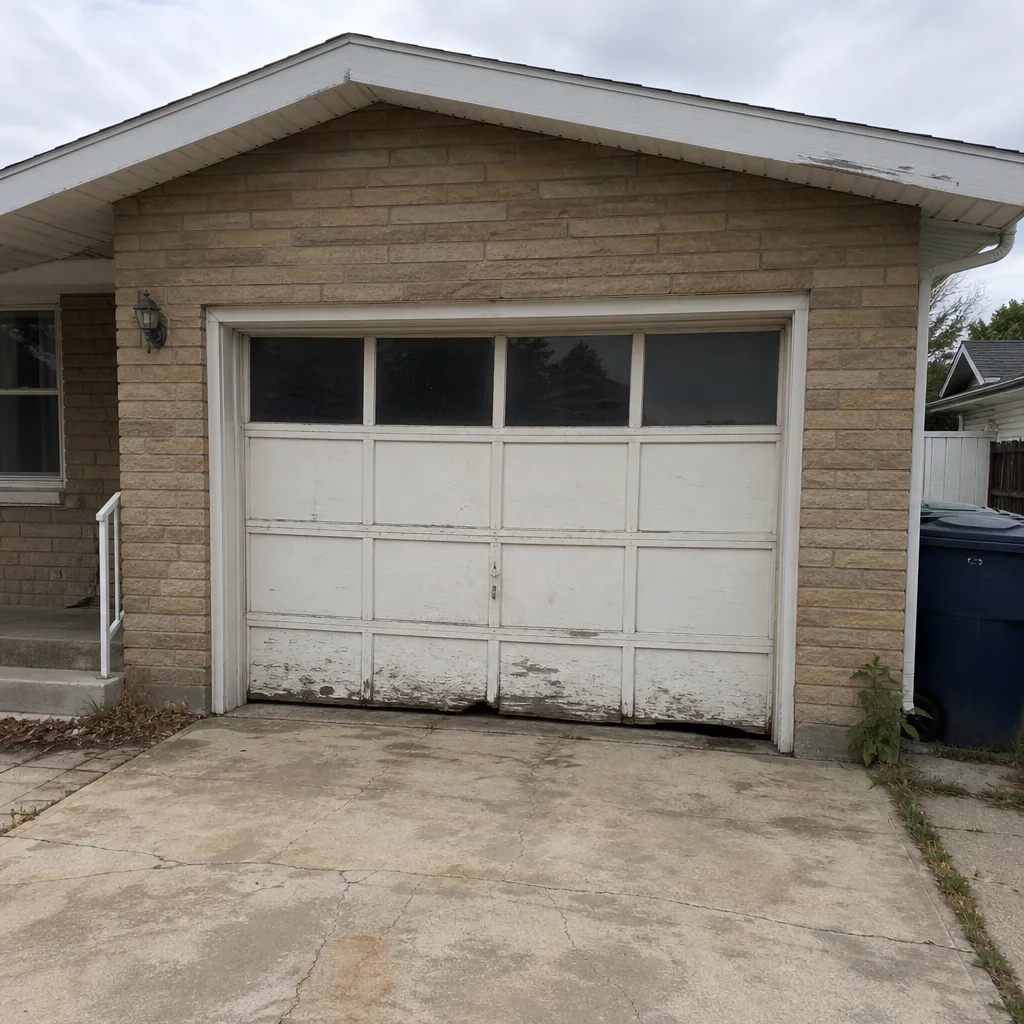 Before
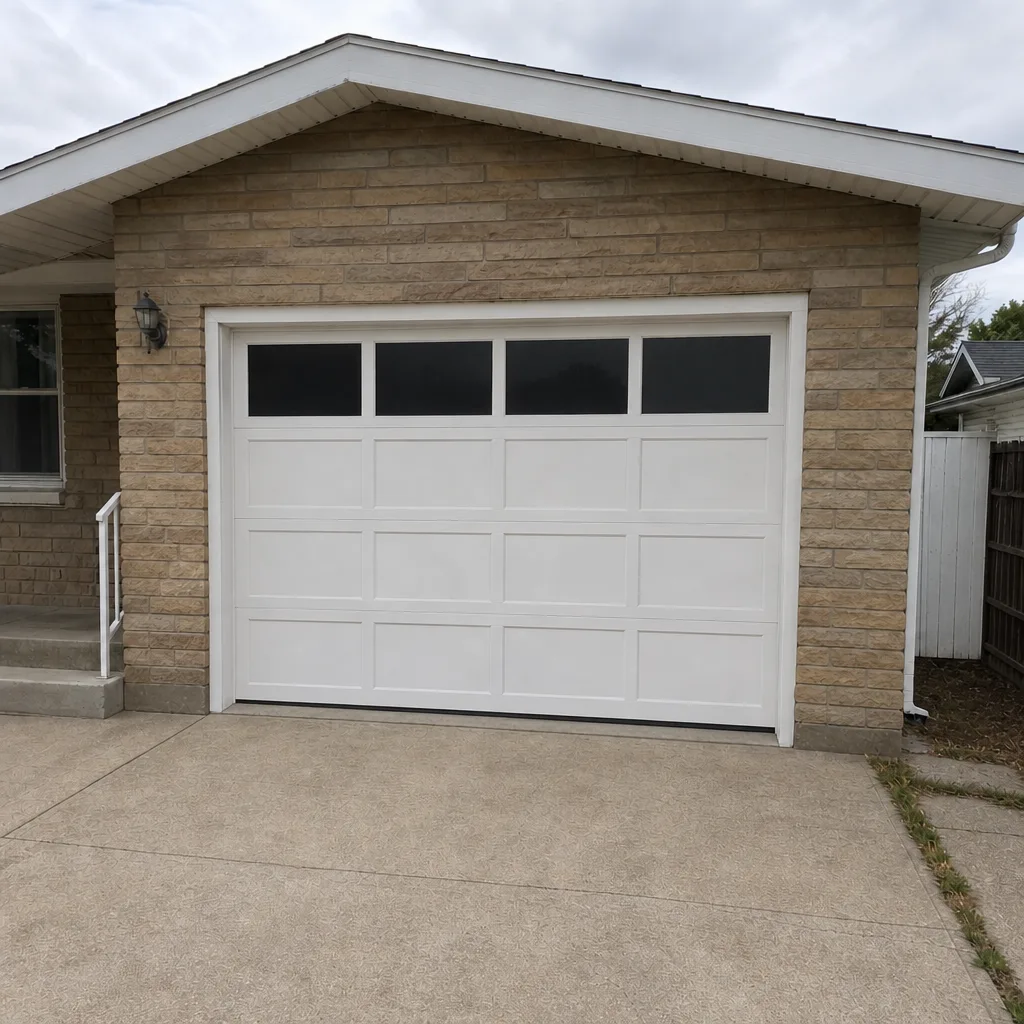 After
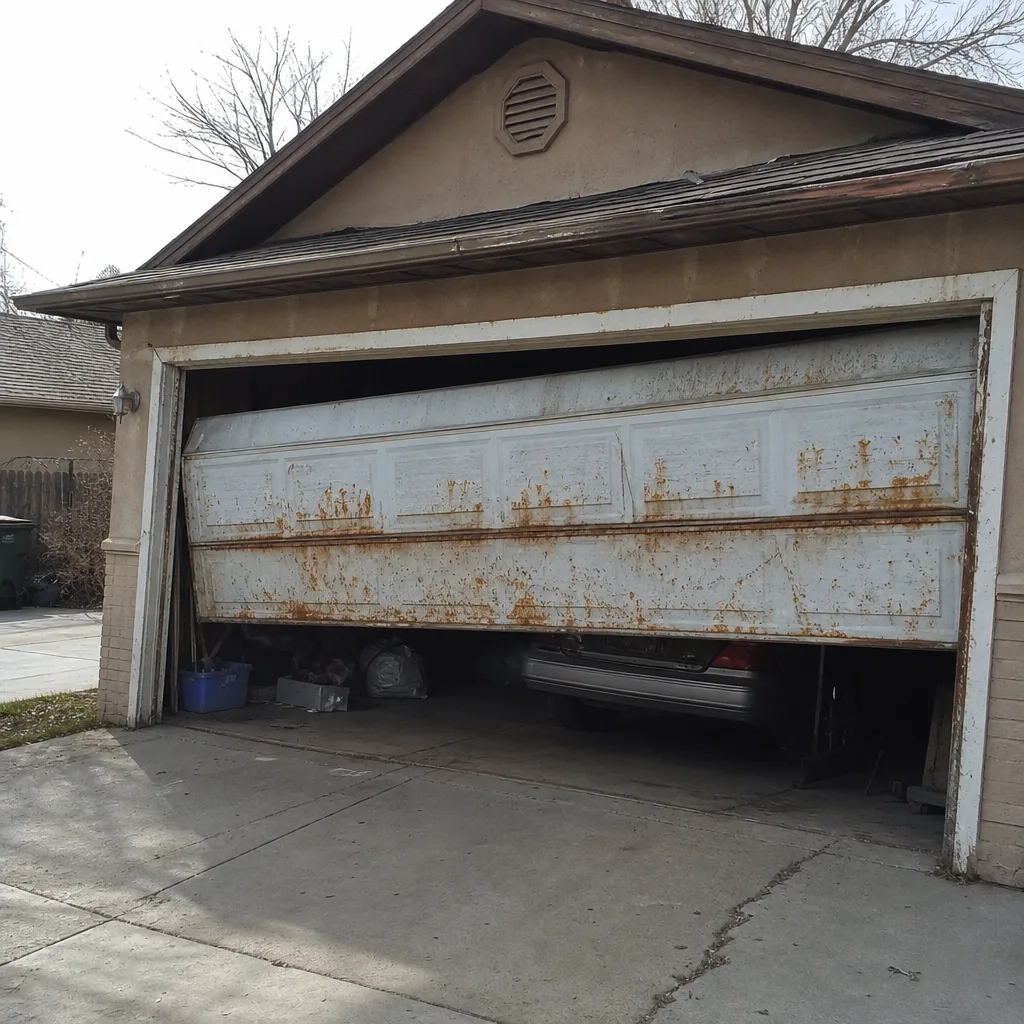 Before
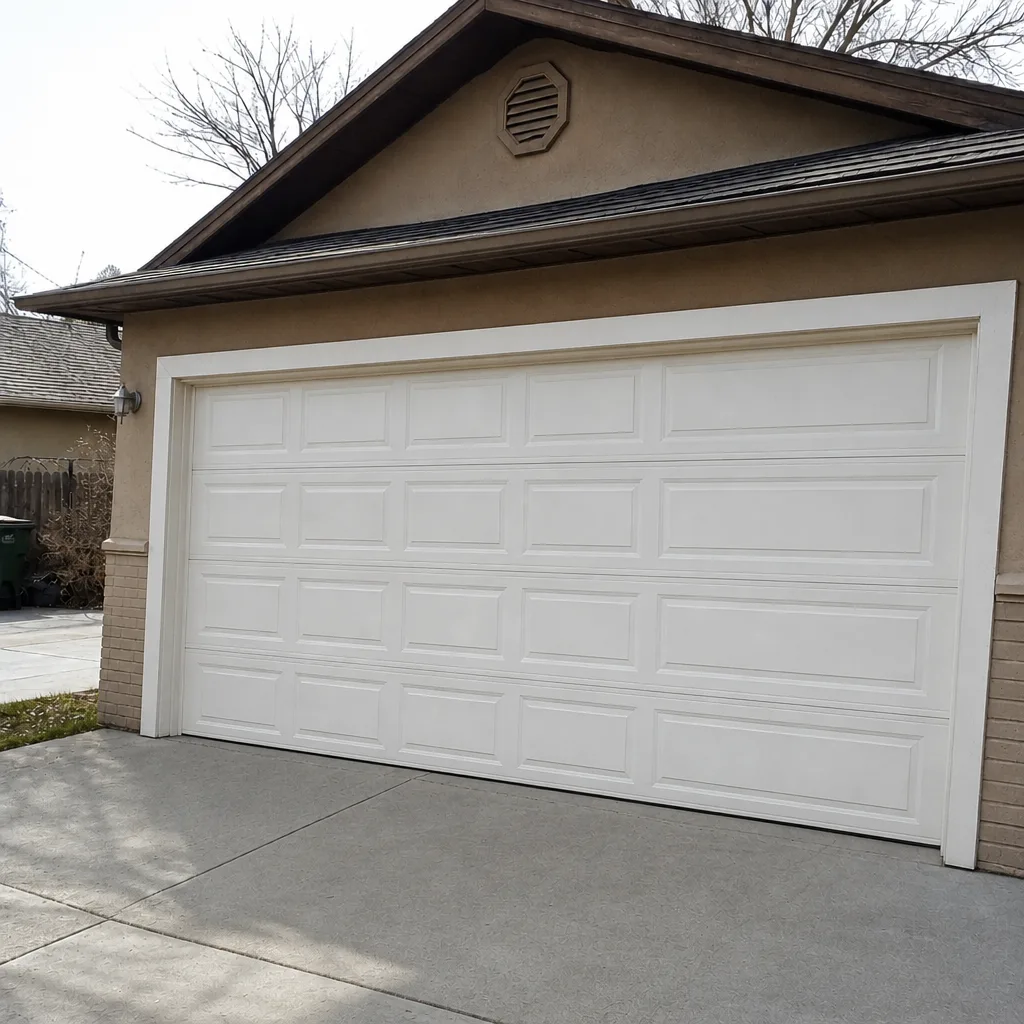 After
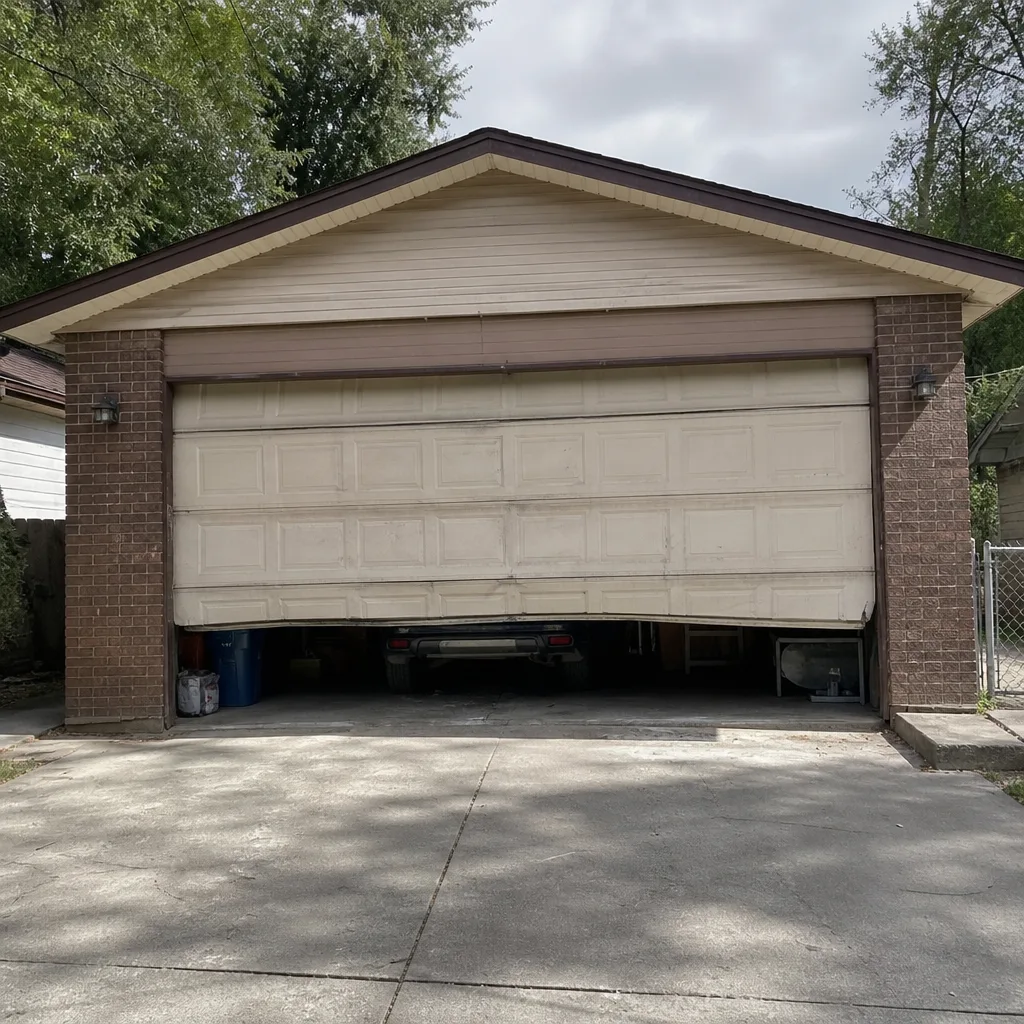 Before
 After
Frequently Asked Questions
Check the manual release cord location and the wall button before anything else. If the wall button works but the remote doesn’t, it’s usually a remote battery or programming issue. If neither works, look at the spring (torsion above the door or extension along the tracks). If the spring is visibly broken, stop and call. Call (877) 526-0732. We answer 24/7. Fast dispatch from 7am to 7pm, Sunday through Friday.
It’s safe only if the door’s springs are intact. The manual release disengages the door from the opener, and with a broken spring the door can drop hard. If you’ve released the door and it won’t lift with modest hand pressure, don’t force it. Re-engage the trolley if you can, prop the door, and call us at (877) 526-0732 for an exact quote on the repair. Estimates are free.
We don’t quote emergency repair prices over the phone because the price depends on the part and the door. What we can tell you is that the price is set per job by a free written estimate, quoted and agreed before any work starts. That means the number on the estimate is the price you pay. Call (877) 526-0732 to schedule an estimate.
Same-day service is often possible for repairs, depending on the day’s schedule. Call (877) 526-0732 and we’ll tell you honestly what’s available. We answer 24/7. Fast dispatch from 7am to 7pm, Sunday through Friday. If the call comes in outside dispatch hours, we’ll book you into the next opening.
Lower it manually if you safely can, lock it with a slide bolt if one is fitted, and keep the interior doors to the house locked until a technician can repair it. If the door can’t be closed at all, the garage becomes a security gap, so remove valuables and bar the opening. Then call (877) 526-0732 to schedule repair. We’ll work with you to get someone out as soon as possible.
Only if the opener has battery backup. Many newer LiftMaster and Chamberlain models do, but it’s not universal, and older Genie and Craftsman units often don’t. Check your opener’s manual or look for a battery compartment before the next outage. If you’re installing a new opener and want outage resilience built in, ask about battery backup during the estimate. Call (877) 526-0732 for a free estimate.
The Bottom Line
Garage door emergencies in Provo split into two kinds, and knowing which one you’re in is most of the battle. Mechanical failures need a technician and hands off until they arrive. Weather and power events need a protocol you can run safely in the first few minutes. Know your manual release location, check whether your opener has battery backup, don’t force a door with a broken spring, and post the emergency information sheet near your garage entry. If you’re sorting out a problem right now, call Provo Garage Door Service at (877) 526-0732. We answer 24/7. Fast dispatch from 7am to 7pm, Sunday through Friday. Free estimates, and the price is quoted and agreed before any work starts.
Written by the team at Provo Garage Door Service.