
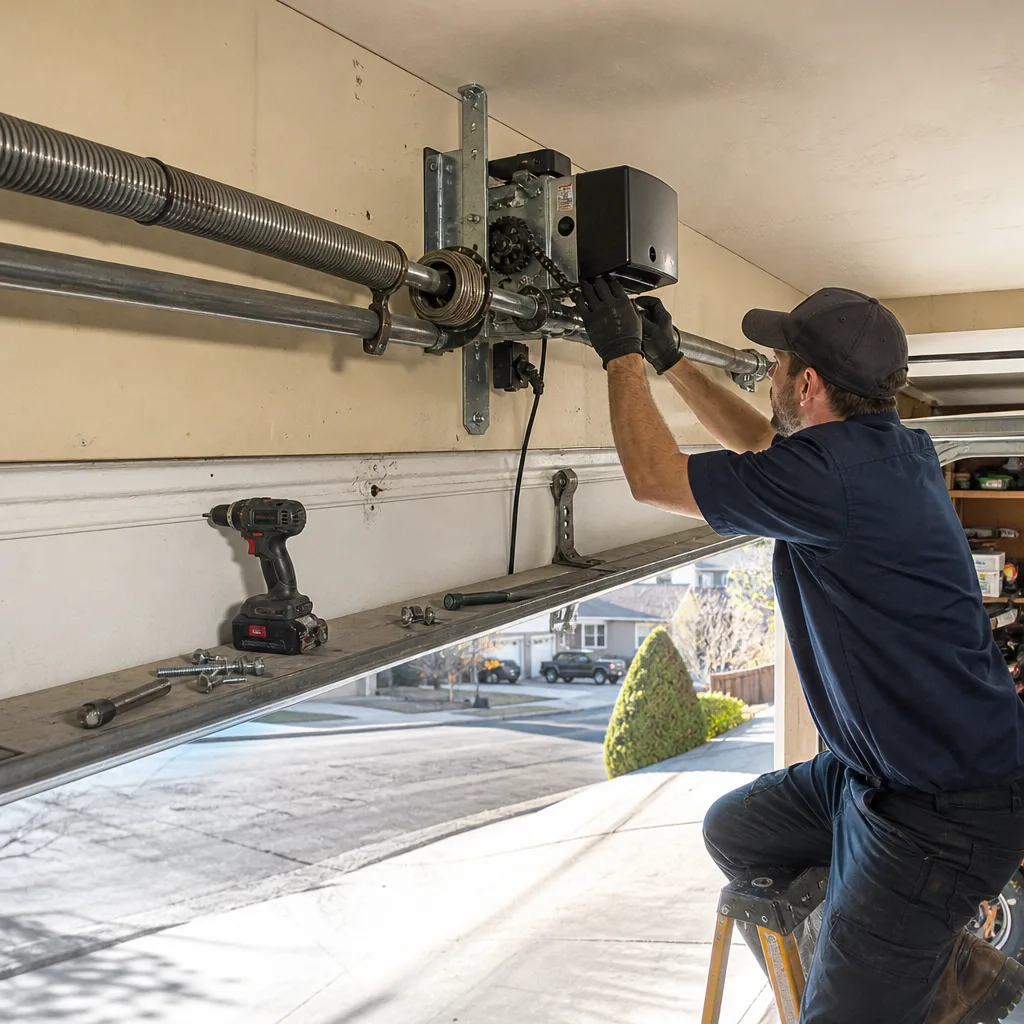
Last updated November 16, 2026
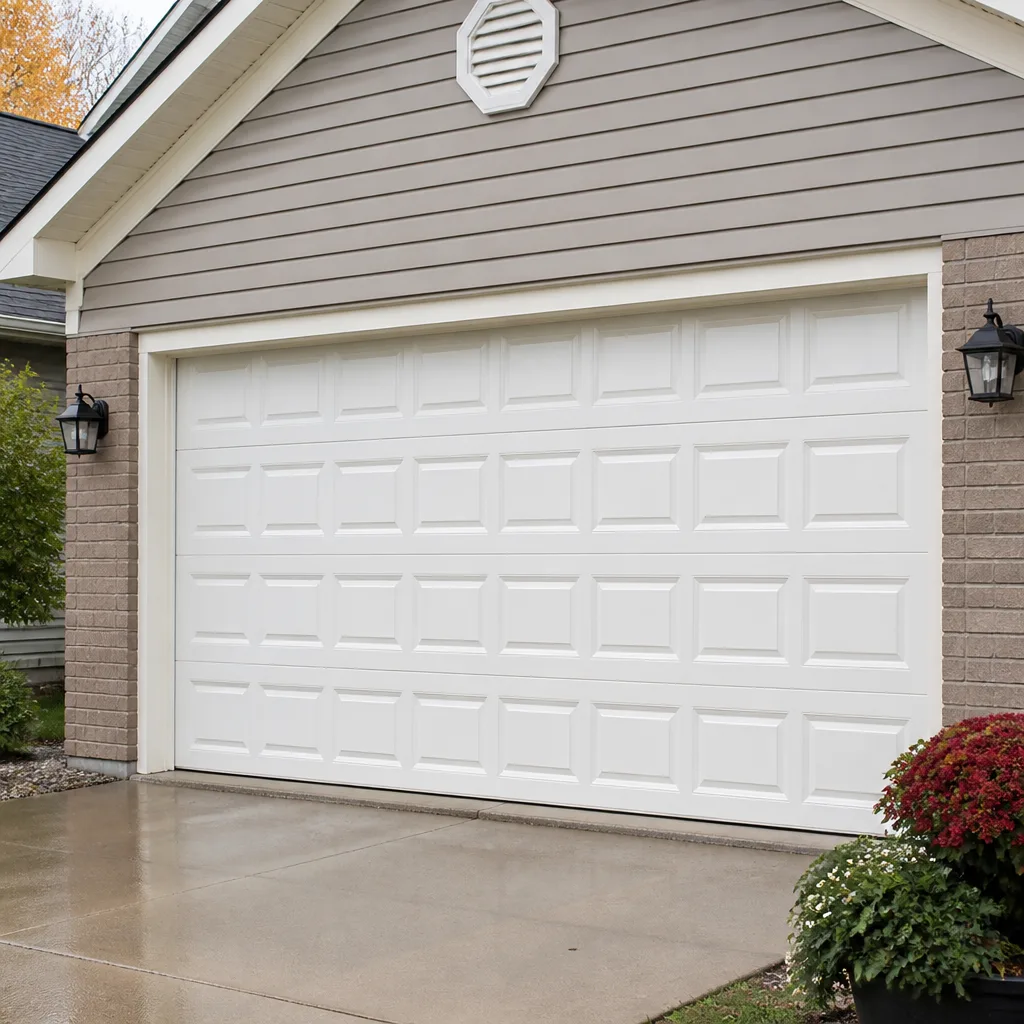 Raised-panel steel
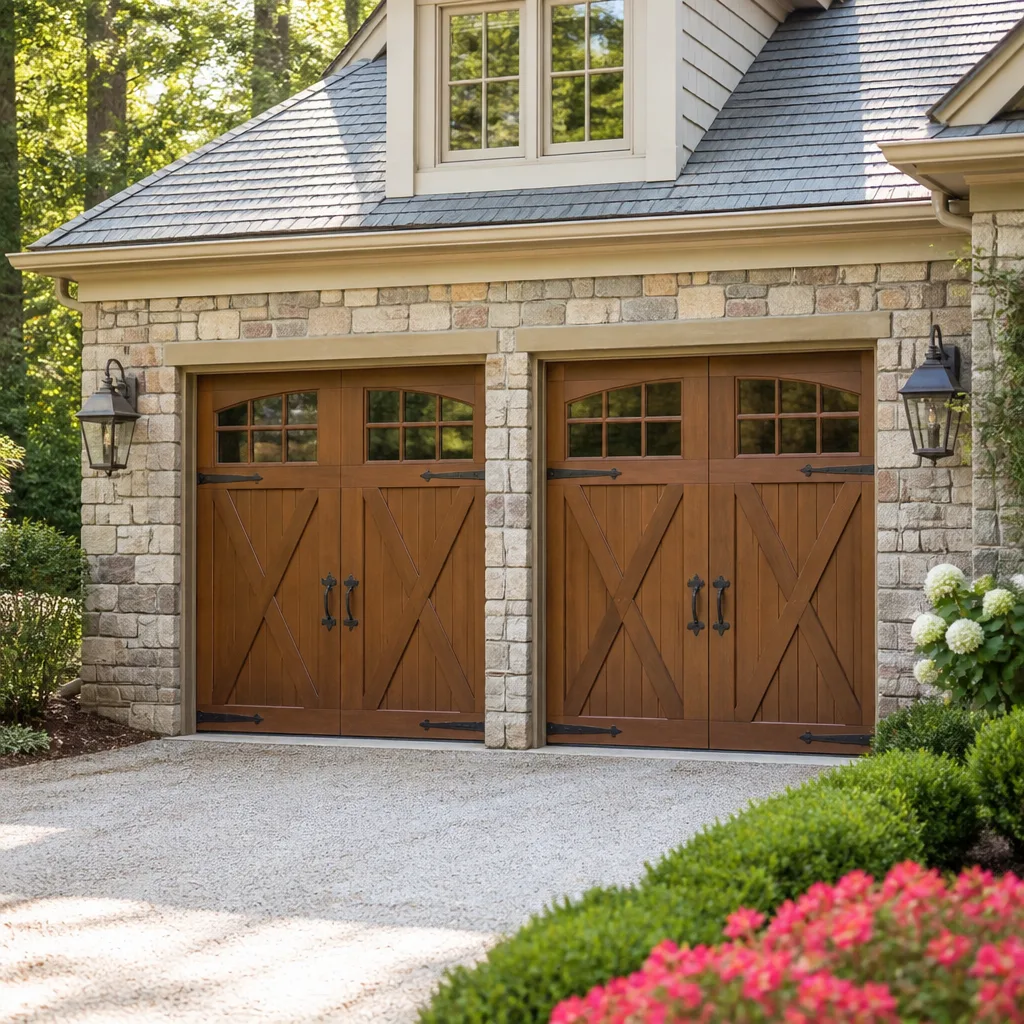 Carriage house
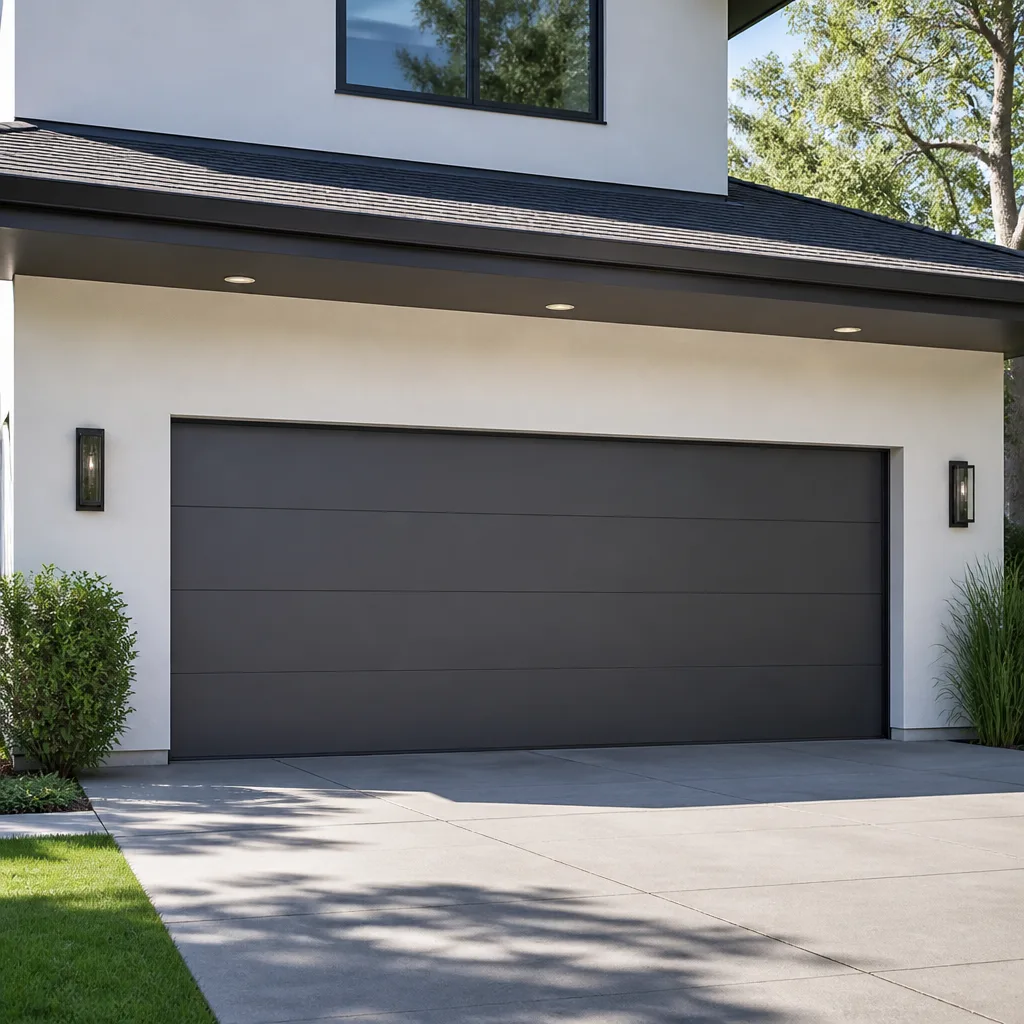 Modern flush
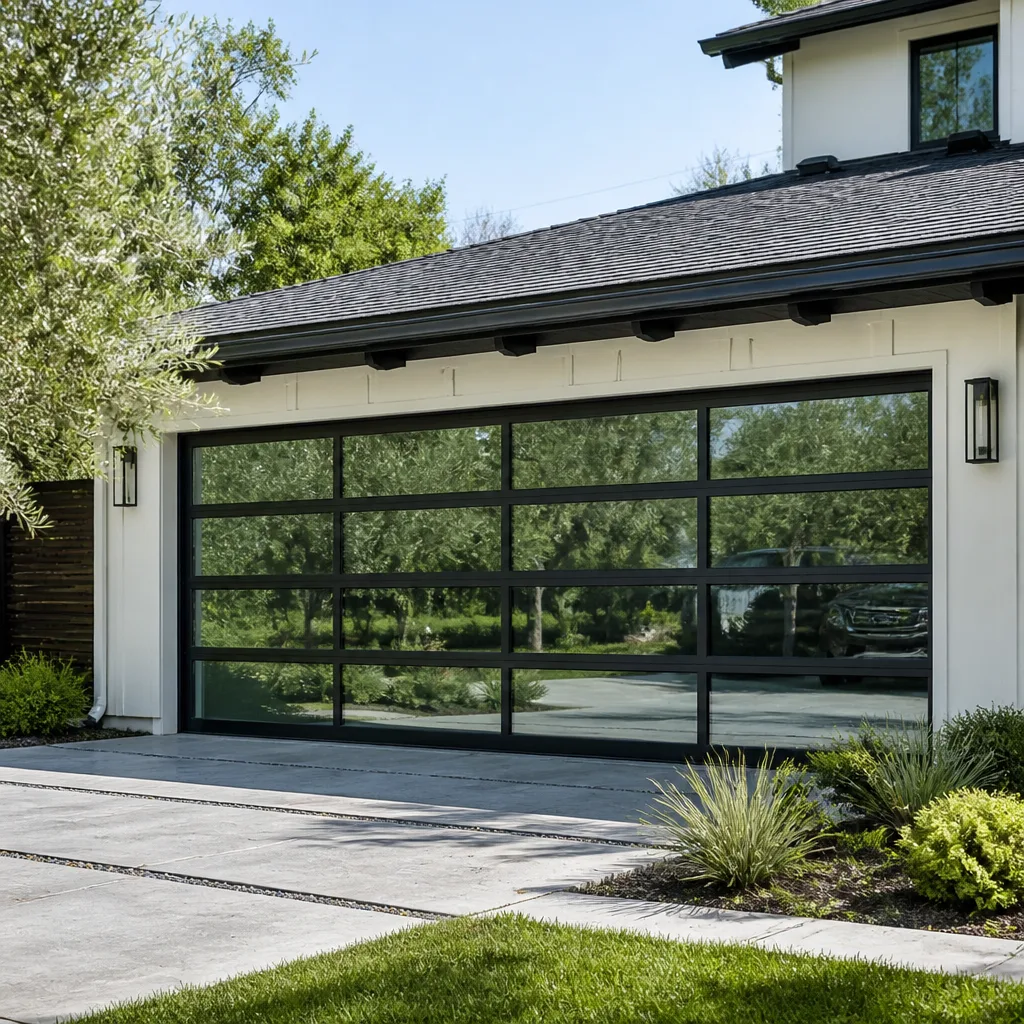 Full-view glass
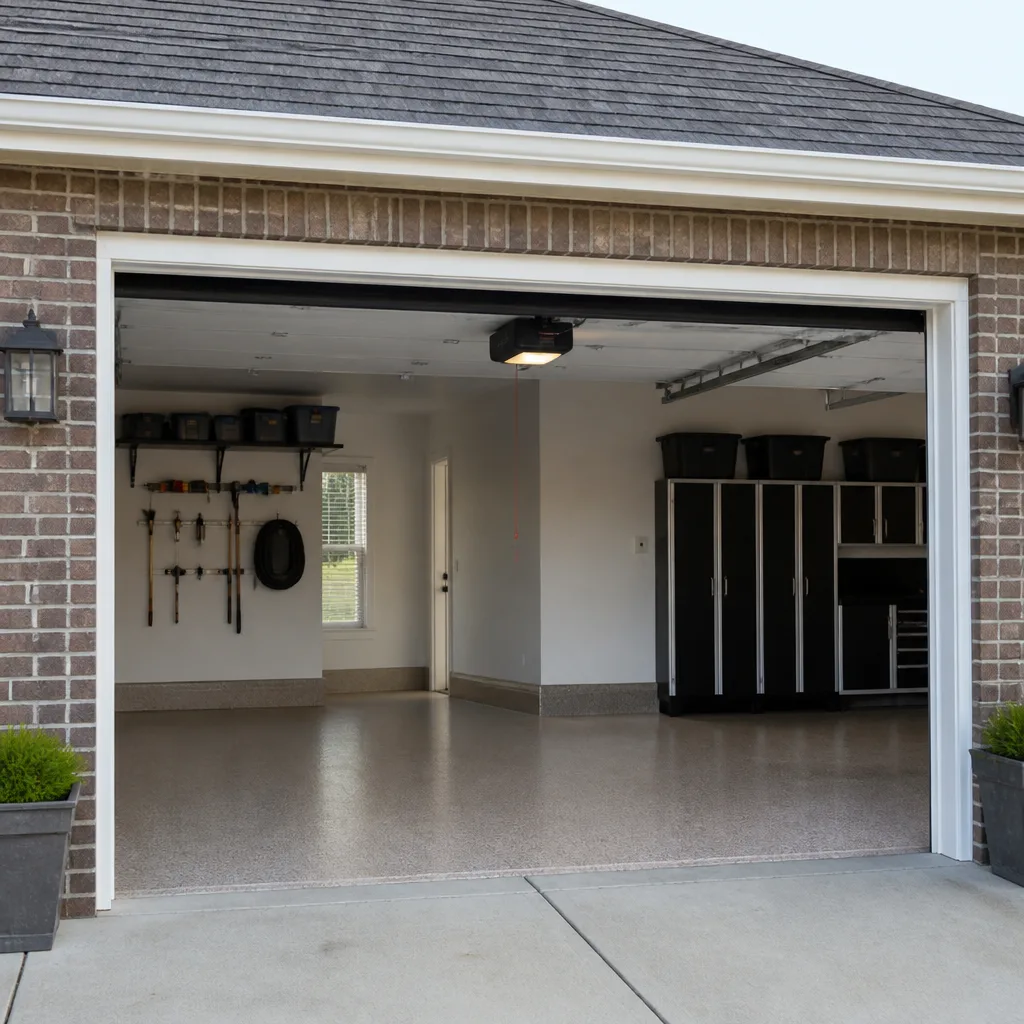 LiftMaster openers
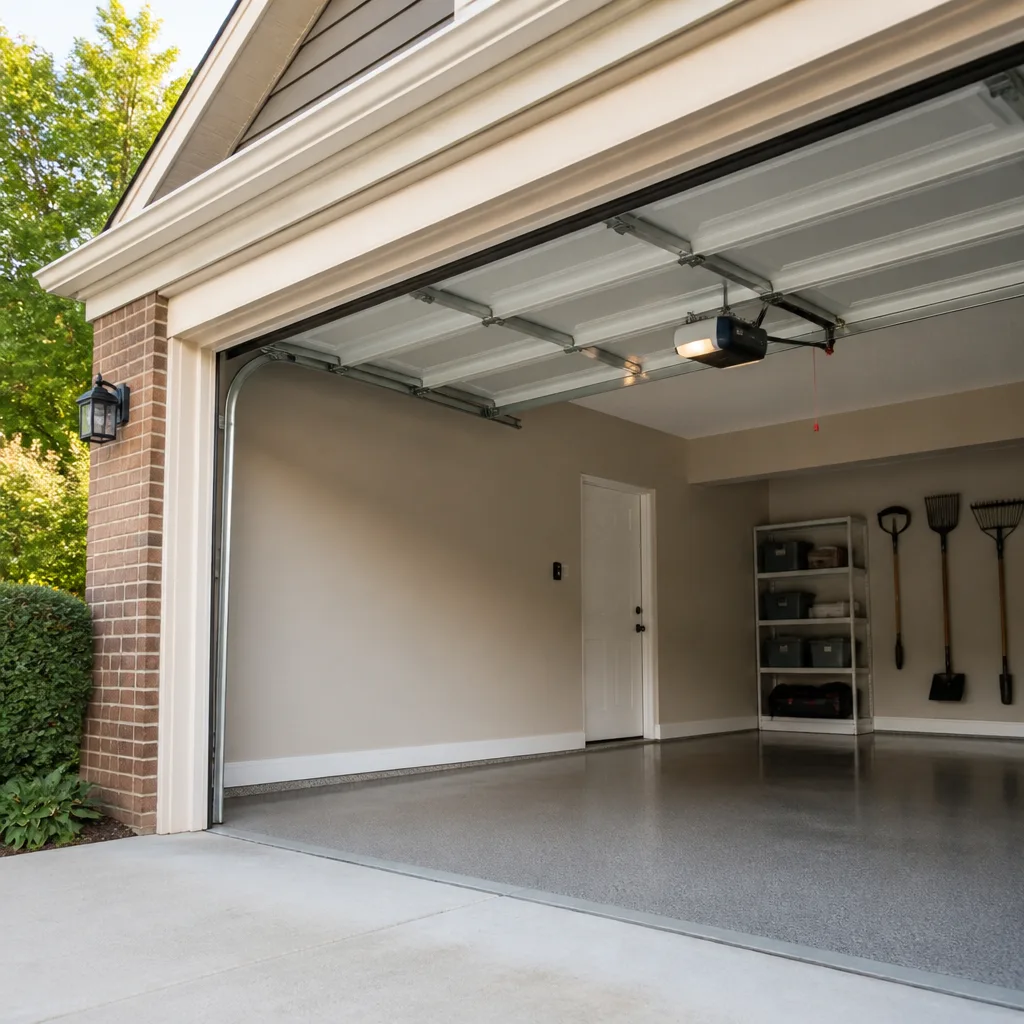 Chamberlain openers
Full 25-point door and opener safety check with every visit - springs, cables, rollers, tracks, and your LiftMaster or Chamberlain opener included
You get a price before we start. It does not change when the pro arrives.
Get your free estimateGarage Door Warning Signs: A Provo Homeowner’s Reference Guide
A garage door that’s “a little slow” isn’t an annoyance, it’s an opener working against increased friction load, and that usually means a spring or roller failure is 30 to 90 days out. Most homeowners in Provo read that slowdown as a quirk and keep pressing the remote. Then a spring snaps on a cold morning and the door won’t budge. This guide decodes what each symptom actually points to mechanically, so you can triage urgency instead of guessing. You’ll learn which sounds are cosmetic, which are safety issues, and how to tell whether the door, the springs, or the opener is the real source of the problem.
Quick Answer
The warning signs that matter most are a door that reverses before closing, visible cable slack or fraying, a torsion spring that has snapped, and grinding or shaking on descent. Those four are same-day safety or damage issues. A slow door, a lagging remote, or a small uneven gap are usually 30-day maintenance items you can plan around. Cold-morning stiffness in Provo is often friction and lubrication, not misalignment.
Styles & brands we work with
- Raised-panel steel
- Carriage house
- Modern flush
- Full-view glass
- LiftMaster openers
- Chamberlain openers
Table of Contents
- The Eight Warning Signs and What Each One Actually Means
- Urgency Tiers: Same-Day, 30-Day, and Monitor
- How Provo’s Climate Creates False Positives
- Door, Spring, or Opener? How to Tell Which System Is Failing
- The Documentation Habit That Saves You Money
- The Signs You Should Never Investigate Yourself
- Does Brand Matter When Something’s Wrong?
- What Actually Prevents These Failures
The Eight Warning Signs and What Each One Actually Means
A garage door is a balanced system: springs carry the weight, rollers and tracks guide it, and the opener only supplies the nudge to start and stop it. When any one part wears, the symptom shows up somewhere else. That’s why a homeowner hears a noise and assumes the opener is dying, when the opener is actually the part straining hardest against a failing door. Here’s the symptom-to-cause map we work from. Our technicians have up to 14 years of experience, and these eight presentations cover the large majority of what we see.
- Slow movement. The door rises and lowers sluggishly, sometimes with a pause at the halfway point. This is nearly always increased friction load: dry rollers, a binding track, or a spring that has lost tension. The opener is doing more work than it was sized for, and that shortens its life.
- Grinding noise. Metal-on-metal grinding points to worn rollers, a dry hinge, or a torsion spring rubbing where it shouldn’t. A deep grinding that sounds like gears stripping usually comes from inside the opener housing, which is a different repair entirely.
- Uneven gap at the floor. One corner sits a couple of inches above the ground when the door is down. That’s a balance problem, typically a spring carrying unequal tension or a cable that has slipped off its drum.
- Reverses before closing. The door starts down, then goes back up. This is either the safety sensor being tripped by an obstruction or misalignment, or a resistance sensor inside the opener reading too much load. It’s the single most common symptom that signals the door needs attention before something worse happens.
- Remote lag. You press the button and nothing happens, then the door opens a few seconds later, or you have to press it twice. That’s a signal or battery issue, an opener logic board problem, or interference, not a door problem.
- Shaking on descent. The door shudders or wobbles as it comes down. Worn rollers, a bent track, or a loose hinge are the usual causes. Left alone, shaking accelerates wear on everything around it.
- One side sagging. The door hangs visibly lower on one side. This is a cable or drum problem, and it’s a genuine safety flag, not a cosmetic annoyance.
- Visible cable slack. A cable that’s hanging loose, kinked, or starting to fray at the drum. This is a same-day stop-using-it sign. A snapped cable on a door under spring tension is dangerous.
If you recognize two or three of these at once, the door is telling you the whole system is due for a service call rather than a single-part swap. That’s worth knowing before you pick a fix. For a deeper dive into any one of them, see our guide to garage door repair.
Urgency Tiers: Same-Day, 30-Day, and Monitor
Not every symptom needs a technician today. The trick is sorting symptoms into three tiers so you spend your attention where it actually protects you. Here’s how we’d sort them.
Tier 1: Same-Day Safety Issues
- Snapped torsion spring. You’ll know because the door suddenly won’t lift, the opener runs but nothing moves, and there’s often a loud bang you heard earlier. Stop using the opener immediately, because it will strip its gears trying to lift a door the spring no longer supports.
- Frayed or slack cable. A cable under tension can whip if it fails. Keep people and vehicles clear of the door until it’s looked at.
- Door reversing repeatedly or not closing. If the safety reverse is failing, the door can come down on something. That’s a stop-use-it call.
- Door off its track. A panel that’s jumped the track can fall.
Tier 2: 30-Day Maintenance Items
- Slow movement, especially if it’s gradual.
- Grinding or squealing that comes and goes.
- A small floor gap that isn’t getting worse.
- Shaking on descent with no track damage.
- One remote that lags while the wall button works fine.
Tier 3: Monitor
- A single noisy hinge, which is often just lubrication.
- A slightly stiff door on cold mornings that frees up as the day warms.
- A door that shakes a little at the very top of its travel.
The line between tiers can shift. A Tier 2 grinding that suddenly gets louder is now Tier 1. If you’re not sure which tier you’re in, that’s the moment to call rather than wait.
How Provo’s Climate Creates False Positives
Provo sits at the base of the Wasatch Front, and the temperature swings here do things to garage doors that homeowners routinely misread as misalignment. On a cold morning a door can bind, hesitate, and groan on its way up, then work perfectly by afternoon. It’s tempting to assume the door has shifted. Most of the time it hasn’t.
Here’s what’s actually happening. Metal contracts in the cold. Tracks, hinges, and the door panels themselves shrink slightly, and clearances that were fine in July are tighter in January. Older grease and lubricant thicken. A roller that was already worn has less tolerance for the added drag. The door isn’t misaligned, it’s just cold and under-lubricated. And a spring that’s lost some of its tension over a summer starts to show it on the first really cold morning.
So before assuming your door is out of alignment, check these in order:
- Lubrication. A dry track and dry hinges cause most cold-morning binding. A proper garage-door lubricant on the rollers, hinges, and spring is the usual fix.
- Debris in the track. Grit and small debris collect in the tracks, and a cold door is less forgiving of it.
- Sagged or frozen weather seal. A stiff bottom seal can make the door fight its last few inches.
- Recent temperature change. If the binding appeared with the first cold snap and disappears when it warms up, climate is the leading suspect.
If the door binds the same way in warm weather, that’s not climate. That’s wear, and it moves up the urgency tiers. Provo summers are also dry, which speeds up wear on rollers and dries out lubricant, so the cold-morning check is worth doing twice a year. Call (877) 526-0732 if you want a second opinion on whether the binding is climate or wear. Estimates are free.
Door, Spring, or Opener? How to Tell Which System Is Failing
The single most useful diagnostic skill for a homeowner is separating the three subsystems: the door itself, the springs and cables that balance it, and the opener that drives it. Get that wrong and you replace an opener when you needed a spring. Here’s the simple test framework we use.
Test 1: Pull the red release cord. That disconnects the opener from the door. Now try lifting the door by hand. A properly balanced door should lift with one hand and stay put when you let go at any height. If it feels heavy, drops, or won’t stay put, the springs and balance are the problem, not the opener. If it lifts easily and stays put, the door and springs are fine, and the issue is in the opener.
Test 2: Watch the opener with the door disconnected. Run the opener while the door is disconnected from it. If the opener runs but the rail doesn’t move, that’s an opener or drive problem. If it moves smoothly, the opener is fine.
Test 3: Check the door’s motion by hand. With the door disconnected, watch for shaking, uneven travel, or a panel that sags. That’s a door problem: rollers, track, or hinge. A door that travels smoothly by hand has a healthy door and hardware.
The three service lines map directly to those tests. The door and its hardware fall under repair, the springs and balance under repair, and the motorized drive system under garage door opener repair. Most owners who run the tests save themselves a pointless part swap by identifying the failing subsystem before they call. If you’d rather not lift the door yourself, that’s fine. Just describe what you’ve noticed and we’ll sort it out.
The Documentation Habit That Saves You Money
Here’s a habit that costs nothing and consistently shortens a repair visit: photograph and log the symptoms before you call. A technician who knows what a door does at 7am, what it does at 2pm, and what it sounds like on the way down can often diagnose from the driveway. A technician who arrives to a silent, working door has to spend the first part of the visit reproducing the symptom.
What to capture:
- A short video of the door in motion. Ten seconds is enough to show the shake, the lag, or the spot where it hesitates.
- Photos of anything you can see. The spring, the cable where it meets the drum, the track, and the floor gap at each corner.
- A quick log. Note the date, the temperature that day, and whether the symptom happened with the remote, the wall button, or both. Temperature matters in Provo, and it narrows the cause fast.
- The brand and model of your opener and door. Look on the opener housing and the door panel label. It saves a step in ordering the right part.
This is also where brand knowledge matters. We’re certified on LiftMaster, Chamberlain, Genie, Clopay, Amarr, Wayne Dalton, Craftsman, and Raynor, so when you tell us the brand, we usually know what’s inside without opening it up. That’s part of why we work on all three of the door systems you actually own.
One note on the log: don’t wait until the door fails to start it. Logging a small symptom now gives you a baseline to compare against a month from now, which tells you whether it’s getting worse.
The Signs You Should Never Investigate Yourself
Garage doors carry serious stored energy. The torsion spring above the door holds the weight of the whole door, and the cables are under that same tension. The two parts homeowners should never touch are the springs and the cables, and that isn’t a marketing line. It’s a genuine hazard. A wound torsion spring is a mechanical store of energy that can release suddenly, and a service call is a fraction of the cost of one wrong move. We always recommend a trained professional for anything involving the springs or the cables.
What a trained technician does with spring and cable issues:
- Releases the tension safely using the correct winding bars, not tools found around the house.
- Replaces the spring or cable with the correct gauge and size for the door’s weight, so the door is properly balanced afterward.
- Re-tensions and tests the door by hand before reconnecting the opener.
What you *can* safely do is inspect and report. With the door fully closed, you can look at the spring and cable from a distance and note what you see. You can lubricate the rollers, hinges, and tracks. You can test the safety reverse by placing a small object in the door’s path. That’s the extent of it.
Beyond the springs and cables, any electrical work on the opener itself, like replacing a logic board or working on the wiring, is also a job for someone trained on drive systems. Our team has up to 14 years of experience across the eight brands we’re certified on. If you’re staring at a broken spring, call (877) 526-0732. We answer 24/7. Fast dispatch from 7am to 7pm, Sunday through Friday.
Does Brand Matter When Something’s Wrong?
At the diagnosis stage, brand matters less than the subsystem you’re testing. At the repair stage, brand matters a lot. A worn roller or a bent track looks the same on a Clopay door and an Amarr door. But the spring size, the drum style, and the opener’s internal components are different, and a technician who knows a given brand moves faster and gets the right part sooner.
Doors and openers are two separate systems. The panel manufacturers (Clopay, Amarr, Wayne Dalton, Raynor) build the door and its hardware. The drive manufacturers (LiftMaster, Chamberlain, Genie, Craftsman) build the opener. When you call, knowing which brand is on the door and which is on the opener tells a technician almost everything about what they’ll find. A slow-moving Genie opener on a Wayne Dalton door with a tired spring is three overlapping systems, and each one has its own fix and its own dollar range. That’s why brand breadth matters for this kind of triage work.
What Actually Prevents These Failures
The warning signs in this guide are mostly wear symptoms, and wear can be slowed. Here’s what we’d tell a Provo homeowner to put on a routine:
- Lubricate the moving parts twice a year. Rollers, hinges, and the spring. Use a garage-door lubricant, not WD-40.
- Test the safety reverse monthly. Place a piece of wood in the path and press the button. If the door doesn’t reverse, that’s a call.
- Look at the spring and cable monthly. Eyes only, from a distance. Note any change.
- Keep the tracks clean. Wipe them out occasionally, and never use lubricant on the tracks themselves.
- Listen to the door. If it starts sounding different, that’s the earliest sign there is.
None of these are hard, and together they give you a running baseline. That baseline is what turns “my door’s been acting weird” into “my door’s been slower for three weeks and here’s the video.” The second one saves you time and money on the visit.
Common Mistakes to Avoid
- Assuming a slow door is just the opener. Most of the time the opener is the messenger, not the cause. The door is binding or the spring is losing tension, and the opener is doing extra work.
- Replacing the opener before testing the door. Pull the release cord and lift the door by hand first. That single test rules out the springs and saves you a pointless part swap.
- Blaming cold-weather binding on misalignment. In a Provo winter, a stiff door is usually a lubrication and clearance issue, not a track that moved.
- Ignoring a frayed or slack cable. A cable under tension is a same-day safety issue, not a “keep an eye on it.”
- Disconnecting the door and leaving it disconnected. If you pull the release cord to test the door, reconnect it only after confirming the balance is safe. And never crawl under a disconnected door to work on it.
- Spraying WD-40 on everything. It’s a light cleaner, not a long-term garage-door lubricant. The heavy-duty parts want a proper lubricant.
- Calling without any information. A photo and a note about when the symptom happens shortens the visit and gets you a clearer estimate sooner.
See the difference
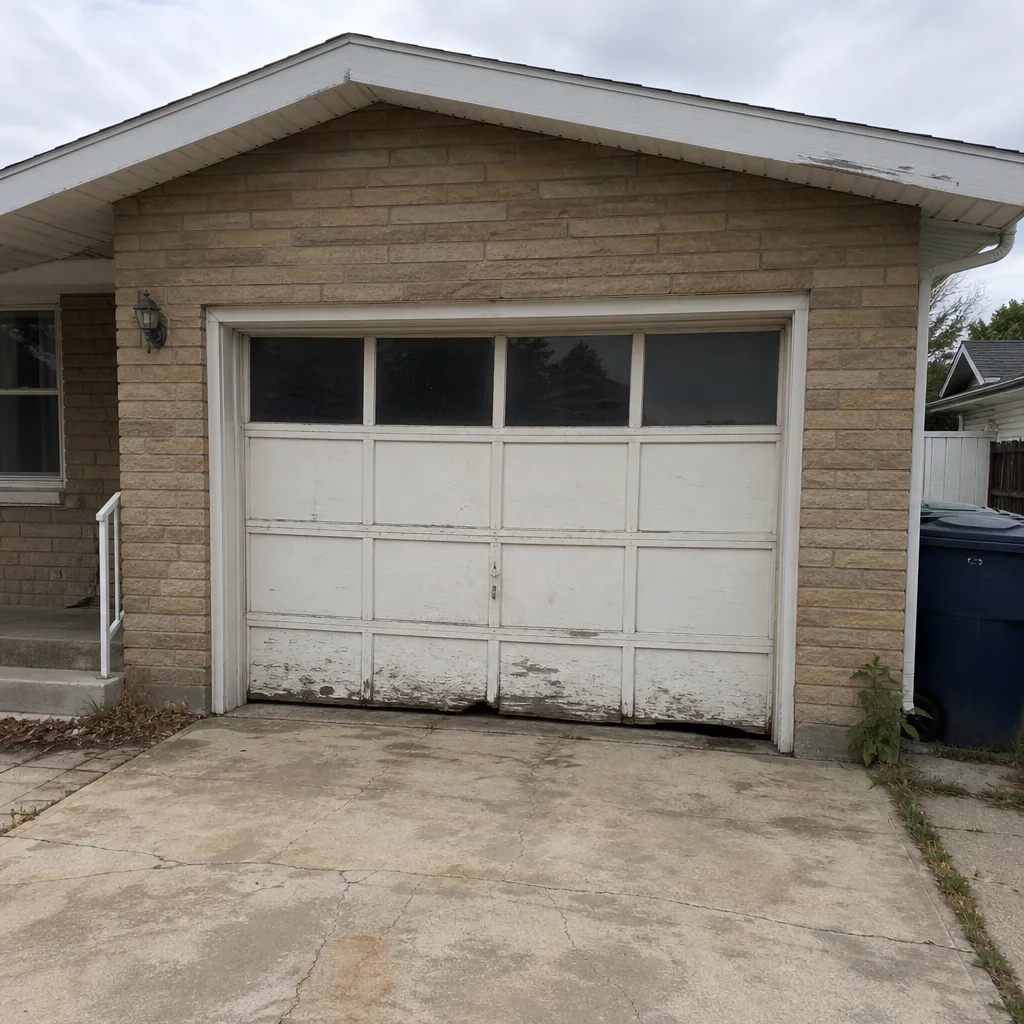 Before
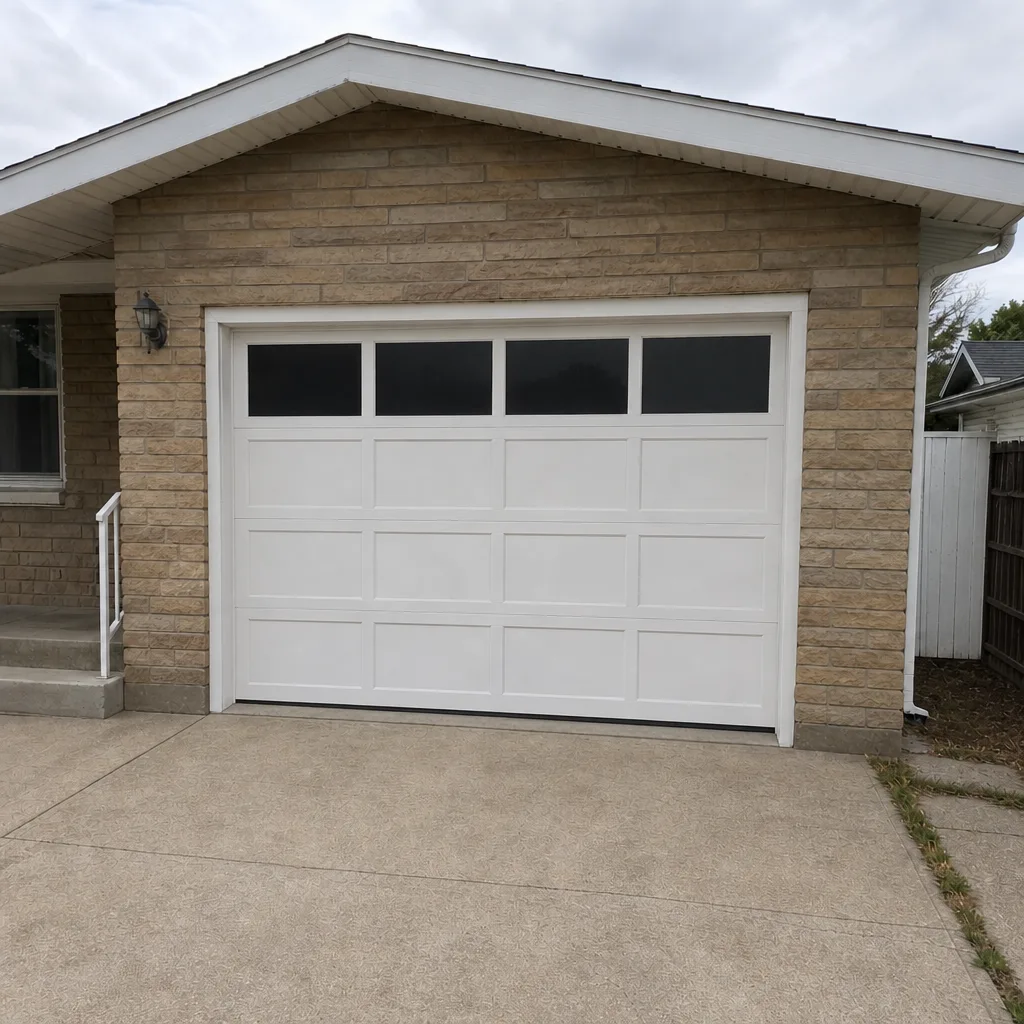 After
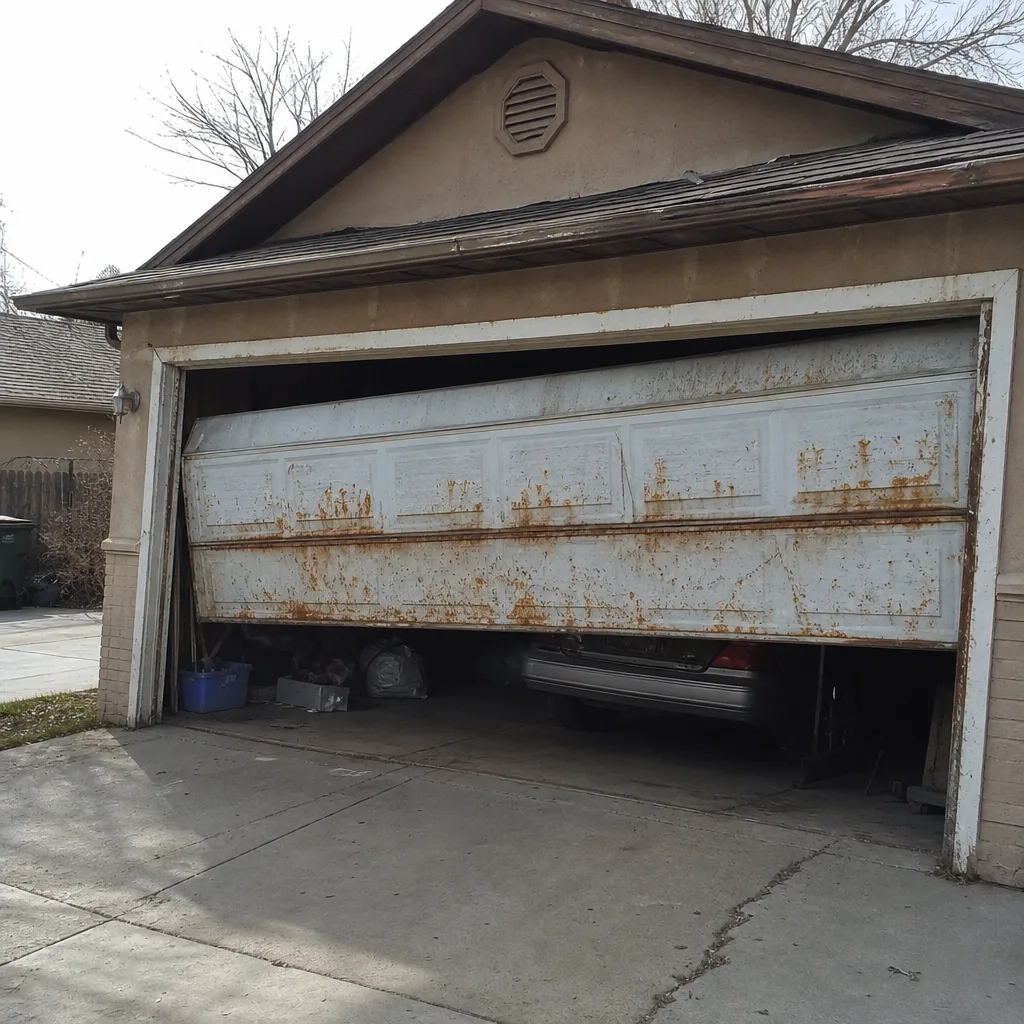 Before
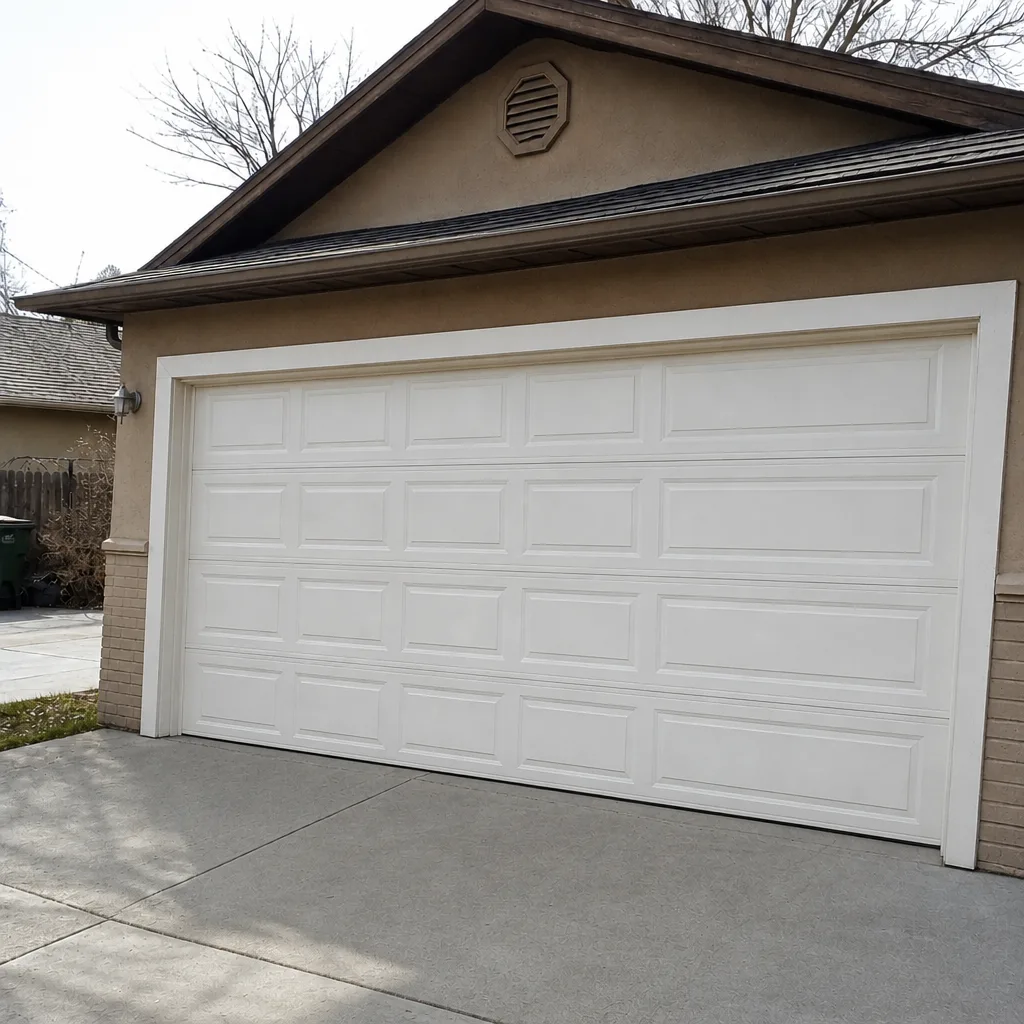 After
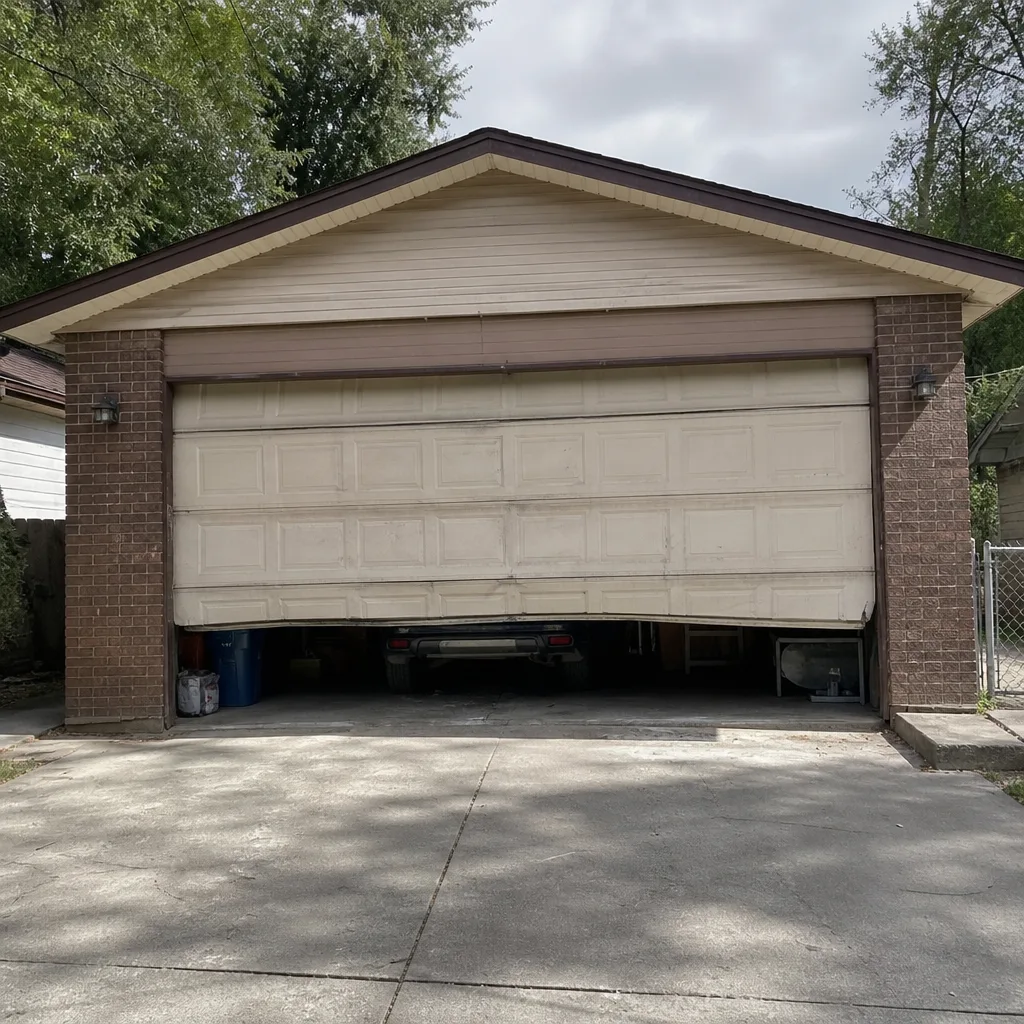 Before
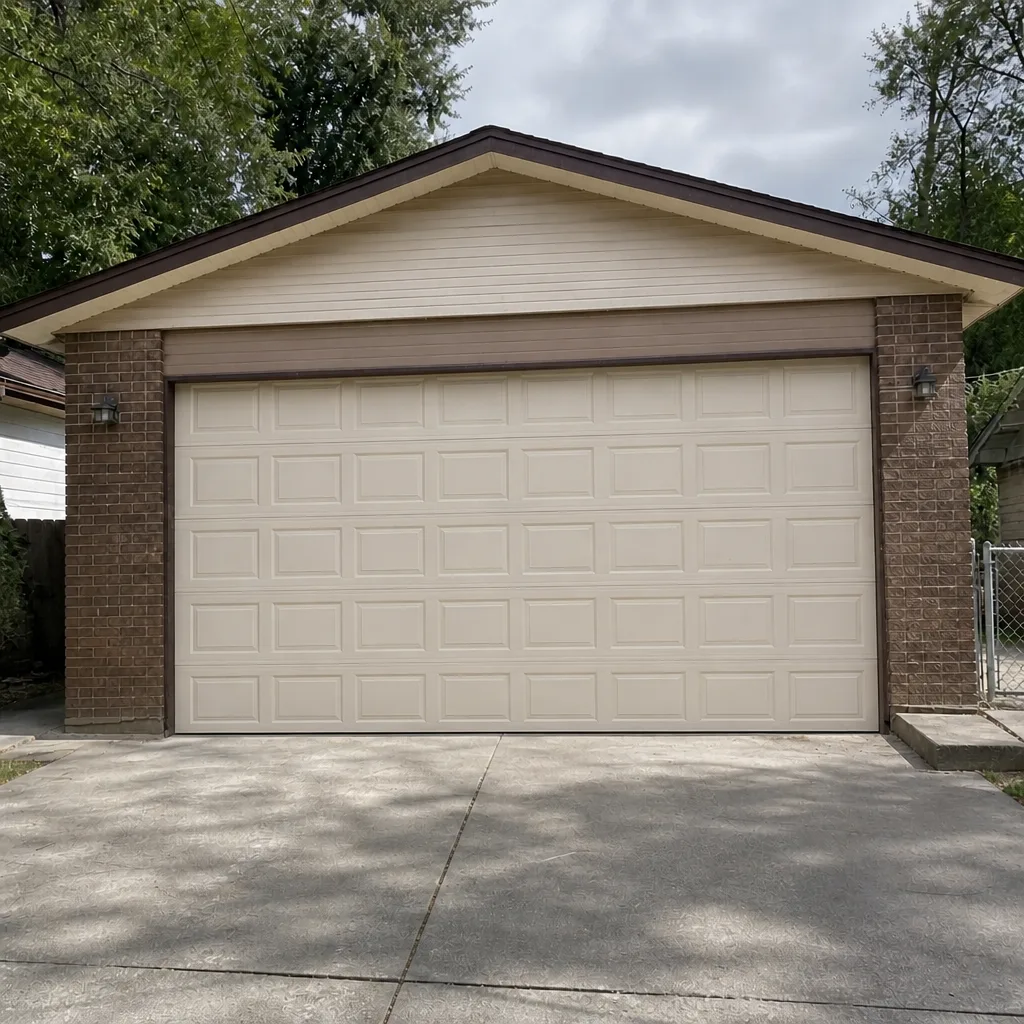 After
When to Call a Professional
Call us when you see any Tier 1 symptom: a snapped spring, a frayed or slack cable, a door reversing before it closes, or a panel off its track. Call if a Tier 2 symptom has gotten worse rather than better, or if you can’t tell which subsystem is at fault. And call if you simply want an experienced eye on a door that’s spent a few seasons in Provo weather. Provo Garage Door Service offers free estimates in Provo. Call (877) 526-0732. We answer 24/7. Fast dispatch from 7am to 7pm, Sunday through Friday. Prices are set per job by the written estimate, and the estimate is free.
Frequently Asked Questions
Typical garage door repair in Provo runs from about $150 to $450 depending on what fails: a roller or hinge replacement sits at the low end, a spring replacement and rebalancing sits higher, and an opener repair depends on the part. A single torsion spring replacement is where most mid-range repairs land. A matched pair of springs costs about twice a single spring, since both usually get replaced together. The written estimate sets the exact price before any work starts, and the estimate itself is free. Call (877) 526-0732 for an exact quote.
Pull the red release cord and lift the door by hand. If it feels heavy or won’t stay put, the springs and balance are the issue and that’s a repair call. If it lifts easily, the door and springs are fine and the opener or its drive system needs attention. That single test tells you which subsystem to book.
Usually not, provided it eases up as the day warms. Cold shrinks metal and thickens lubricant, so a door that’s slightly under-lubricated will show it at 7am. Lubricate the rollers, hinges, and spring first. If the door still binds in warm weather, that’s wear, and it’s worth a call.
Yes for safety and repair issues, we do same-day service where the schedule allows. Call (877) 526-0732 first so we can book the right technician and be sure the door is one we can handle, which for us covers eight brands: LiftMaster, Chamberlain, Genie, Clopay, Amarr, Wayne Dalton, Craftsman, and Raynor. Call first for the fastest outcome.
The written estimate is the price. You get a quote and agree to it before any work starts, so there’s no surprise invoice at the end. If a technician finds an issue that wasn’t in the original estimate, you hear about it before any extra work begins. Call (877) 526-0732 to start with a free estimate.
Yes. The professionals we connect you with are licensed and insured, and they’re trained on the door hardware and the opener drive systems. Our technicians have up to 14 years of experience. Call (877) 526-0732 to talk to us about your door.
The Bottom Line
Most garage door failure signs are read wrong. Slow is friction, not age. A cold-morning bind is usually a dry door, not a bad track. And a remote that lags more often points at the opener than the door. The three systems – door, springs, and opener – need to be separated before you spend money, and the release-cord test does that in under five minutes. Triage the symptoms into same-day, 30-day, and monitor, document what you see, and never touch a torsion spring or a tensioned cable. That gets you past the guesswork and into a repair that fixes the actual problem. If you’d rather have an experienced eye on it, Provo Garage Door Service is here for the door, the hardware, and the opener in one call. Reach out any time you’re ready.
Learn more about our Provo service area, or explore the full range of what we handle and get an estimate that fits the job.
Written by the team at Provo Garage Door Service.